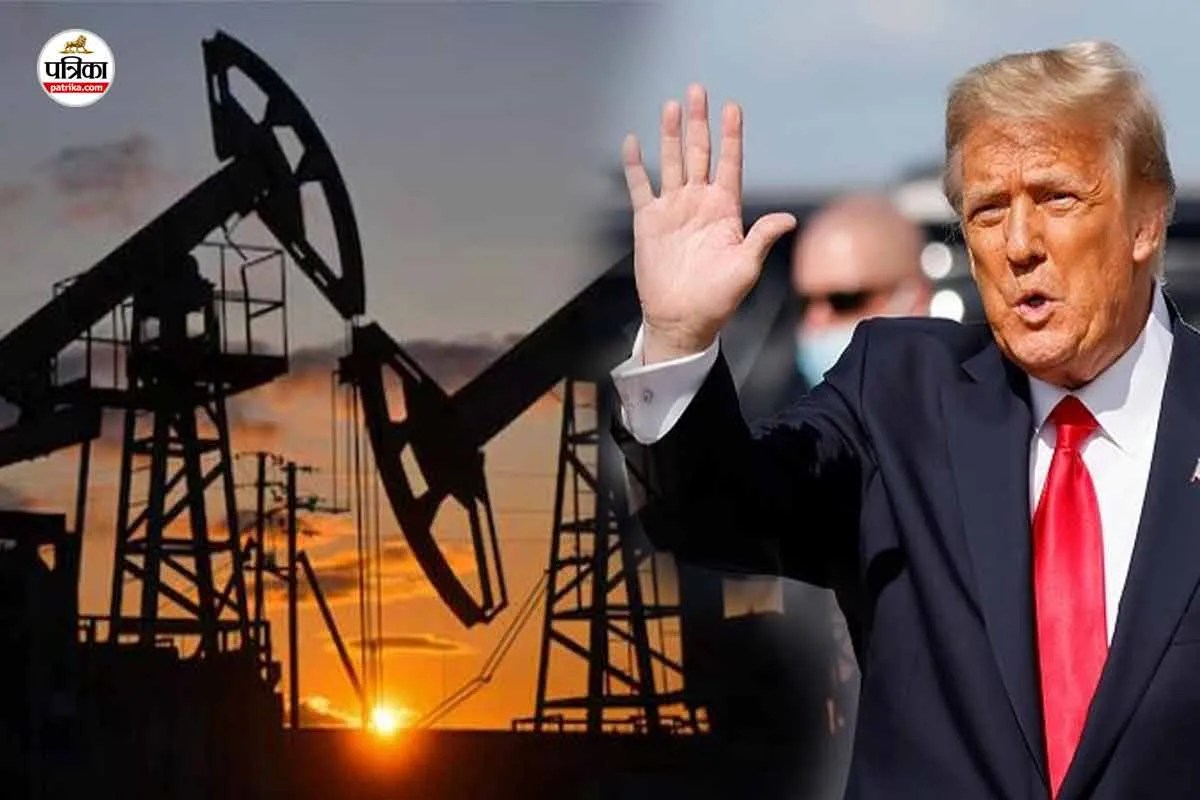
Crude oil just punched past the 100 dollar mark, and if you think this is just another temporary blip on the financial news ticker, you're missing the bigger picture. Brent crude hit 108 dollars a barrel, WTI climbed past 103 dollars, and diesel prices in the US shattered records by sprinting past 6 dollars a gallon.
When energy markets break like this, the shockwave hits grocery shelves, transit costs, and manufacturing lines within days. Let's look at what's actually driving this global energy squeeze and why governments are suddenly scrambling for damage control. Recently making news lately: Why Wall Street Is Suddenly Sweating The Ai Data Center Buildout.
The Perfect Storm in the Middle East and Eastern Europe
Energy markets don't spike into triple digits on a whim. Right now, supply choke points are flashing red across two major global fronts simultaneously.
In the Middle East, the Strait of Hormuz remains a high-stakes maritime hazard following vessel attacks and stalled diplomatic talks. Meanwhile, Saudi Arabia's vital 1,200-kilometer East-West pipeline took a direct hit from drone strikes, knocking out a massive alternative route for crude exports and threatening roughly four percent of global oil supply. Further details into this topic are detailed by The Economist.
Add the Bab-el-Mandeb strait tension with Houthi activity near Yemen into the mix, and you have a complete logistical nightmare for tankers carrying petroleum across the globe.
At the same time, the conflict in Eastern Europe has entered a brutal energy phase. Ukrainian drone strikes targeting Russian refineries have heavily choked refined petroleum outputs. The International Energy Agency reports that diesel and refined fuel exports from Gulf regions and targeted refineries have plummeted to a fraction of their pre-war baselines. When you disrupt crude extraction and fuel refining at the same time, prices don't just inch upward—they erupt.
Trump Steps In with a Direct Appeal to Zelenskyy
Political leaders are feeling the immediate domestic heat of soaring fuel costs. US President Donald Trump didn't mince words, publicly urging Ukrainian President Volodymyr Zelenskyy to halt strikes on Russian oil refineries and energy infrastructure.
The rationale is simple, even if it's politically contentious. Continued drone strikes on Russian refining capacity squeeze an already starved global diesel market. When diesel gets scarce, freight trucks stall, farming equipment stops running, and the cost of moving every single consumer good skyrockets.
Trump's intervention highlights a brutal economic reality. Western leaders want to starve Moscow's war chest, but when that strategy backfires and threatens to push global inflation through the roof right before elections or economic quarters close, priorities shift real quick. Diplomacy meets crude survival.
Why Diesel Is the Real Villain in This Crisis
Most people obsess over the price of crude oil or standard petrol at the pump, but diesel is the lifeblood of the global economy.
Cargo ships, freight liners, heavy construction machinery, long-haul semi-trucks, and agricultural tractors all run on diesel. When diesel hits record highs like 6 dollars a gallon, every single link in the supply chain absorbs that penalty.
You aren't just paying more to fill up your personal car. You're paying extra for every box delivered to your doorstep, every crate of vegetables shipped to your local grocery store, and every manufacturing component moved across state or international borders. Refined product exports from key exporters dropping to a quarter of normal volume means structural shortages are baked into the immediate future.
What You Should Do Right Now
Sitting around and waiting for OPEC or world leaders to fix supply chains is a losing strategy. Energy inflation hits personal and business budgets fast, so you need to adapt before costs compound further.
- Audit your transit and logistics expenses: If you run a business relying on freight or shipping, lock in fixed-rate contracts or optimize delivery routes immediately to shave off fuel consumption.
- Hedge your household energy exposure: Anticipate higher utility and transport bills over the coming months. Cut down on non-essential vehicle trips and tighten up personal budgets to absorb rising consumer goods pricing.
- Monitor geopolitical supply milestones: Keep an eye on pipeline repairs in Saudi Arabia and developments around Hormuz shipping lanes. These updates dictate whether energy prices stabilize or push even higher toward past historical peaks.
The 100 dollar oil threshold isn't just a number on a screen. It's a tax on global commerce. Protect your cash flow now before the ripple effects hit your balance sheet.