If you have ever heard someone described as absurdly wealthy in Mandarin, you might have encountered the phrase yao chan wan guan. Translated literally, it means having ten thousand strings of cash wrapped around your waist. It sounds punchy. It paints a vivid picture of medieval opulence.
Most people assume it is just poetic hyperbole for a bulging wallet. It is not. It represents a physical reality that was wildly heavy, surprisingly inconvenient, and worth a small fortune by historical standards.
The Logistics of Copper Coins
To understand why carrying ten thousand strings of cash is a physical absurdity, you have to look at how ancient Chinese currency actually worked. Long before digital banking or even reliable paper money became standard across dynasties, everyday commerce relied on bronze or copper coins featuring a square hole in the middle.
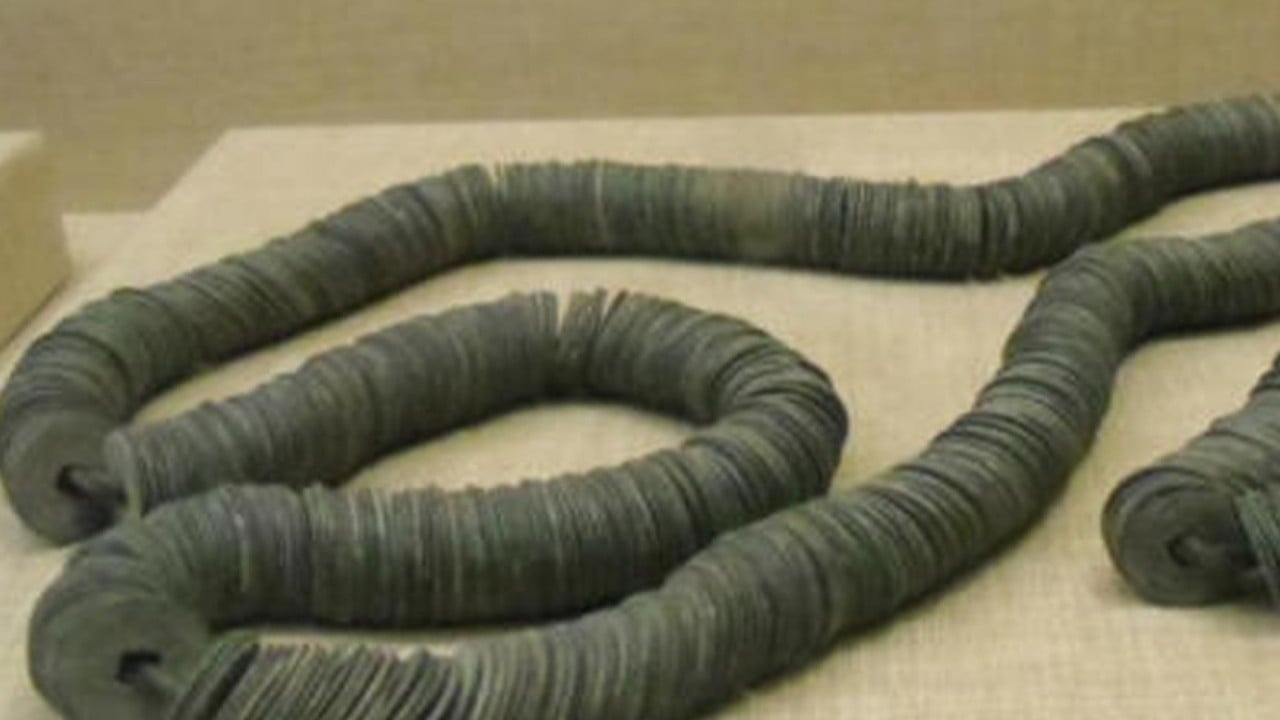
These were known as wen. Because individual coins had a relatively low face value, carrying them around individually was impossible for large transactions. People strung them together using hemp ropes passed through the central square holes.
A standard string, or chuan, traditionally held up to one thousand individual coins. Imagine the weight of a single string. Now multiply that by ten thousand.
Doing the Math on Ancient Wealth
Let us break down what ten thousand strings actually meant in hard numbers.
If one string contained roughly one thousand coins, ten thousand strings equaled ten million individual copper coins. A standard Qing dynasty copper coin weighed about four grams. Do the math, and you are looking at roughly forty metric tons of metal.
No one was wrapping forty tons of bronze around their waist and walking down the street. The phrase was always a metaphor for extreme financial muscle, but its origins are rooted in the literal logistics of heavy currency. In the Qing dynasty, one string of one thousand cash coins typically equated to roughly one tael of silver, meaning ten thousand strings scaled up to massive commercial power. You were looking at merchant princes, elite landowners, or provincial officials who could fund private armies or sponsor massive infrastructure projects.
Why the Phrase Survived
Languages keep idioms alive long after the technology behind them dies. Nobody carries leather pouches of gold sovereigns around London today, yet we still talk about "paying top dollar."
The waist-wrapping imagery survived centuries because it captured the sheer sensory burden of wealth. Money in pre-modern China was heavy, loud, and hard to hide. When a merchant walked into a market with clinking strings of currency, everyone knew it. Flaunting wealth was not about sleek plastic cards or silent wire transfers; it was about the physical gravity of your assets.
Modern speakers use the term casually to describe anyone flashing cash or living large. But next time you hear it, remember the physical absurdity attached to it. True wealth used to break your back before it ever bought you peace of mind.