Energy markets are completely spinning out of control. Brent crude just breached $107 a barrel for the first time since May, and if you think this is just some abstract Wall Street problem, look at your last gas receipt.
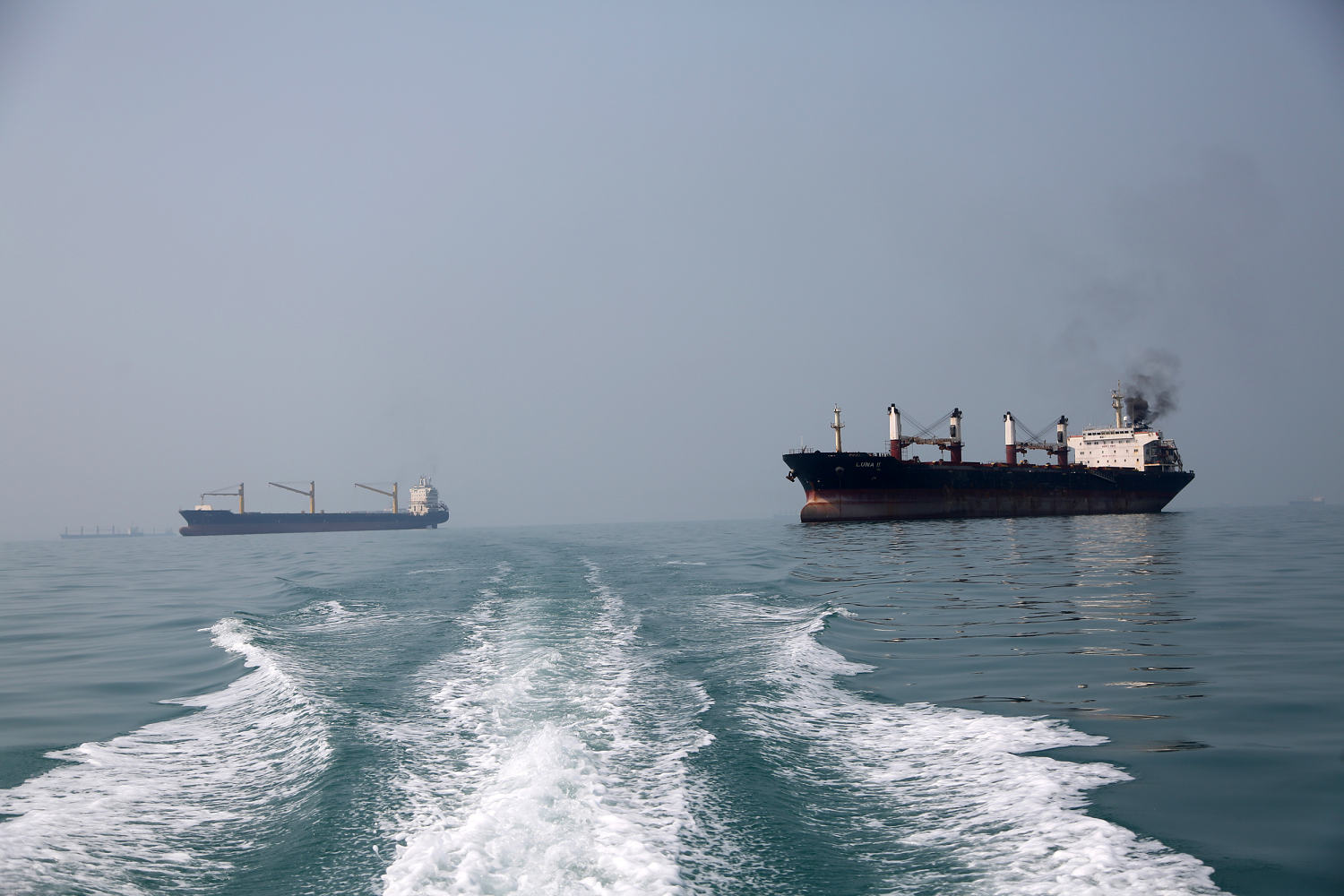
The global economy is taking a direct punch to the gut. The ongoing conflict with Iran has throttled crude supplies, leaving traders scrambling as shipping disruptions mount in the Middle East. It’s messy, it's expensive, and it's driving inflation fears through the roof.
Why the $107 Oil Shock Is Different This Time
We’ve seen oil spikes before. Usually, markets shrug them off as temporary noise. Not today.
When oil prices climb from under $72 in early July straight past $100, the ripple effects hit every single corner of the supply chain. Wholesalers are paying more to move goods. Retailers are passing those costs directly onto shoppers. AAA figures show the average price of regular gasoline climbing toward $4.28 a gallon, a massive 34% jump from a year ago.
This isn't just about filling up your car tank. Every product on a supermarket shelf travels by truck. Higher fuel costs mean every single thing you buy gets pricier.
The Bond Market Panic
At the exact same time crude prices are surging, bond yields are acting erratic. The yield on the 10-year Treasury jumped to 4.95%, climbing rapidly from pre-war lows near 3.97%.
Investors are aggressively dumping government bonds because persistent inflation destroys fixed-income returns. Higher yields mean borrowing costs for mortgages and auto loans are marching upward. When the bond market panics, everyday borrowing gets painfully expensive.
Traders now see a roughly 73% probability that the Federal Reserve will raise interest rates at its upcoming meeting, despite constant public pressure from President Trump to keep rates low. The central bank faces a brutal choice: let inflation run wild or choke off growth entirely with higher rates.
What You Should Do Right Now
Sitting back and hoping energy markets will magically stabilize by November's midterm elections is a terrible strategy. You need to adjust your personal finances to survive this inflationary shockwave.
- Lock in fixed rates: If you’re eyeing major loans or have variable debts, figure out a way to shield yourself before borrowing costs climb further.
- Audit your fuel consumption: Consolidate trips, optimize daily commutes, and cut out unnecessary driving to cushion the blow at the pump.
- Rethink discretionary spending: Higher grocery and utility bills are non-negotiable drains on your wallet. Free up cash by ruthlessly cutting subscriptions and non-essential purchases.
The economic turbulence won't vanish overnight. Protect your cash flow while the storm blows through.
Oil prices surge to $107 for the first time since May as bond yields jump
This short video provides a quick visual breakdown of the Brent crude price spike and its immediate impact on global financial markets.
http://googleusercontent.com/youtube_content/1