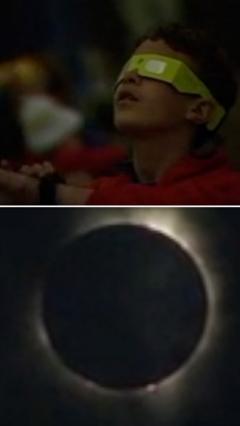
August 11, 1999, started with a ridiculous amount of hype. Millions of people across Europe expected a life-altering celestial spectacle, only to get blocked out by thick, stubborn clouds on the British mainland. But down on the tiny Channel Island of Alderney, things played out differently. While mainland tourist spots like Cornwall dealt with traffic gridlock and washed-out views, Alderney became a quiet pocket of astronomical fortune.
If you want to understand why that day still matters to astronomy buffs, you have to look past the mainstream panic and examine what actually happened when the lunar shadow hit the Channel Islands.
The Madness Before the Moon Shadow
Back in the summer of 1999, the total solar eclipse was marketed as the event of the century. It was the first total eclipse visible in the UK since June 29, 1927, and people lost their minds. Media outlets warned of apocalyptic traffic jams, fuel shortages, and gridlocked motorways. Thousands of travelers piled into cars, trains, and ferries, heading south.
Cornwall bore the brunt of the human wave. Hotels booked out years in advance, and temporary campsites popped up in every available farmer's field. Yet, nature didn't cooperate for most of them. Famous broadcast sites and massive public gatherings on the UK mainland were famously clouded out, leaving disappointed crowds staring at a dreary grey sky while veteran astronomers like Patrick Moore lamented the ruined view on live television.
Why Alderney Won the Day
While Cornwall stressed over heavy cloud cover, Alderney offered a starkly different environment. Roughly 10,000 visitors crammed onto the tiny island, pushing its infrastructure to the absolute limit. Ferries dropped anchor offshore, and private boats dotted the surrounding waters.
Space was tight. Accommodation was nonexistent for late planners. Despite the squeeze, the island's unique microclimate and geographical position gave dedicated eclipse chasers a fighting chance. When the shadow raced across the globe at roughly 2,000 miles per hour, hitting the Channel Islands after crossing the UK mainland, the atmosphere on the island shifted instantly.
Temperature dropped. Birds went silent. The horizon turned an eerie, metallic 360-degree twilight. For those few precious minutes of totality, the frantic energy of the crowds melted into complete silence.
Lessons From Path of Totality Chasing
Chasing a total solar eclipse is basically a high-stakes gamble with meteorology. You can spend thousands of dollars on travel gear, transport, and lodging, only to have a single cloud ruin the entire spectacle.
The 1999 event taught seasoned astronomers a harsh lesson about microclimates. Big mainland destinations are notoriously prone to coastal fog and localized cloud formation when cool ocean air hits warm land during a temperature drop caused by an eclipse. Smaller islands or open sea positions often present better odds because wind patterns behave differently over open water.
That gamble is precisely why modern eclipse chasers check satellite maps down to the minute rather than booking fixed-location trips years ahead. Flexibility beats loyalty every single time.
The Long Shadow Left Behind
Decades later, the 1999 eclipse remains a cultural milestone for anyone who witnessed it. Long before smartphones and social media algorithms ruled our lives, millions of people stood shoulder-to-shoulder looking up through cardboard safety glasses.
Alderney's role in that historic day wasn't just a footnote in regional news. It proved that sometimes the smallest places deliver the cleanest views while the massive, hyped-up mainland hubs miss out entirely.
If you ever find yourself planning for the next major eclipse, skip the overcrowded tourist traps. Find a rocky coast, watch the horizon, and hope the wind works in your favor.
This vintage broadcast captures the live tension, expert commentary, and dramatic transition into totality during the historic 1999 solar eclipse event.
http://googleusercontent.com/youtube_content/1