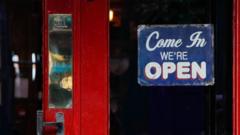
Downing Street claims a fresh 20% cut to business rates will rescue Britain's struggling high streets.
It sounds brilliant in headlines. Prime Minister Andy Burnham rolled out the policy aimed directly at pubs, social clubs, and grassroots music venues across England. On paper, nearly 32,000 venues will see their tax bills drop, saving a typical pub around £1,100 a year.
Here is the truth.
While publicans and gig organizers will take any spare penny, an extra grand off an annual tax bill is a bandage on a open wound. High street venue owners are still reeling from brutal rate revaluations, skyrocketing energy costs, and shifting consumer habits. If you run an independent bar or music room, this tax cut gives you breathing room, but it definitely does not fix the broken system.
The Real Math Behind the Tax Slash
The government wants business owners to believe help is on the way. The Treasury targets small to medium hospitality venues, slicing 20% off their business rates starting next April.
To pay for this £100 million package, Ministers plan to roll back rate discounts for businesses they deem less valuable to local communities—like vape shops—and tighten tax enforcement on massive online marketplace sellers.
The problem is scale.
Consider a typical pub in a city center. Many landlords saw their property rateable values jump dramatically during recent revaluations. For a venue that saw its underlying tax obligations double over the past two years, saving £1,100 simply chips away at massive recent increases. It restores a fraction of what inflation took away.
Industry groups like UKHospitality point out another massive flaw: the cut excludes restaurants, cafes, and hotels. A cafe next door to a pub faces the exact same rising overheads, yet receives zero additional relief under this specific announcement.
Winners and Losers in the New Rate Changes
Understanding who actually benefits requires looking closely at property valuations and business types.
Grassroots Venues and Local Pubs
Small pubs, neighborhood social clubs, and independent live music venues receive the headline 20% discount. The Music Venue Trust welcomed the measure as a step toward protecting local cultural spaces. For small venues operating on paper-thin profit margins, saving £90 to £100 a month covers an extra utility bill or minor equipment repair.
Large Arenas and Chains
The government explicitly capped this relief. Large-scale commercial music venues and massive chain locations will not qualify for the 20% reduction. The goal is keeping local hubs afloat rather than subsidizing corporate giants.
Vape Shops and Retail Competitors
Downing Street is funding these cuts by reviewing tax breaks for businesses that do not add positive value to local high streets. Vape shops and short-term retail outlets will likely see their local rate discounts trimmed to finance hospitality relief.
Restaurants and Independent Cafes
Food-focused venues are left waiting in the cold for now. Trade groups are already lobbying the Treasury to expand these rate cuts to the wider hospitality sector before the upcoming Budget.
What Business Owners Should Do Right Now
Relying on government tax tweaks will not keep your doors open. Business owners need practical strategies to maximize savings and protect their bottom lines today.
Check your current rateable value immediately
Many venue owners pay too much because their local council holds outdated assessment data. Request a formal review through the Valuation Office Agency if your property value has been calculated incorrectly.👉 See also: disney halloween costumes forStack every available relief
The new 20% cut sits alongside existing support schemes. Make sure you are already claiming Small Business Rate Relief or Supporting Small Business Relief if eligible. Check with your local council to ensure discounts apply automatically to your account.Audit your utility usage
Since rate savings max out around £1,100 for typical properties, cutting operational waste yields faster returns. Re-negotiating supplier contracts or upgrading energy-efficient appliances often saves more than tax reductions give back.Prepare for the upcoming Budget
The Treasury promised further updates to broader business rates and Small Business Rate Relief. Keep detailed financial records showing your exact rate burden so you can adjust your budget as new rules take effect.
This rates cut gives hospitality businesses a temporary breather. Use this gap to audit your fixed costs, challenge unfair property valuations, and tighten your financial operations.
You can watch this Times Radio interview on Prime Minister Andy Burnham's 20% business rates cut to hear industry leaders discuss how the policy impacts pubs and local high streets.