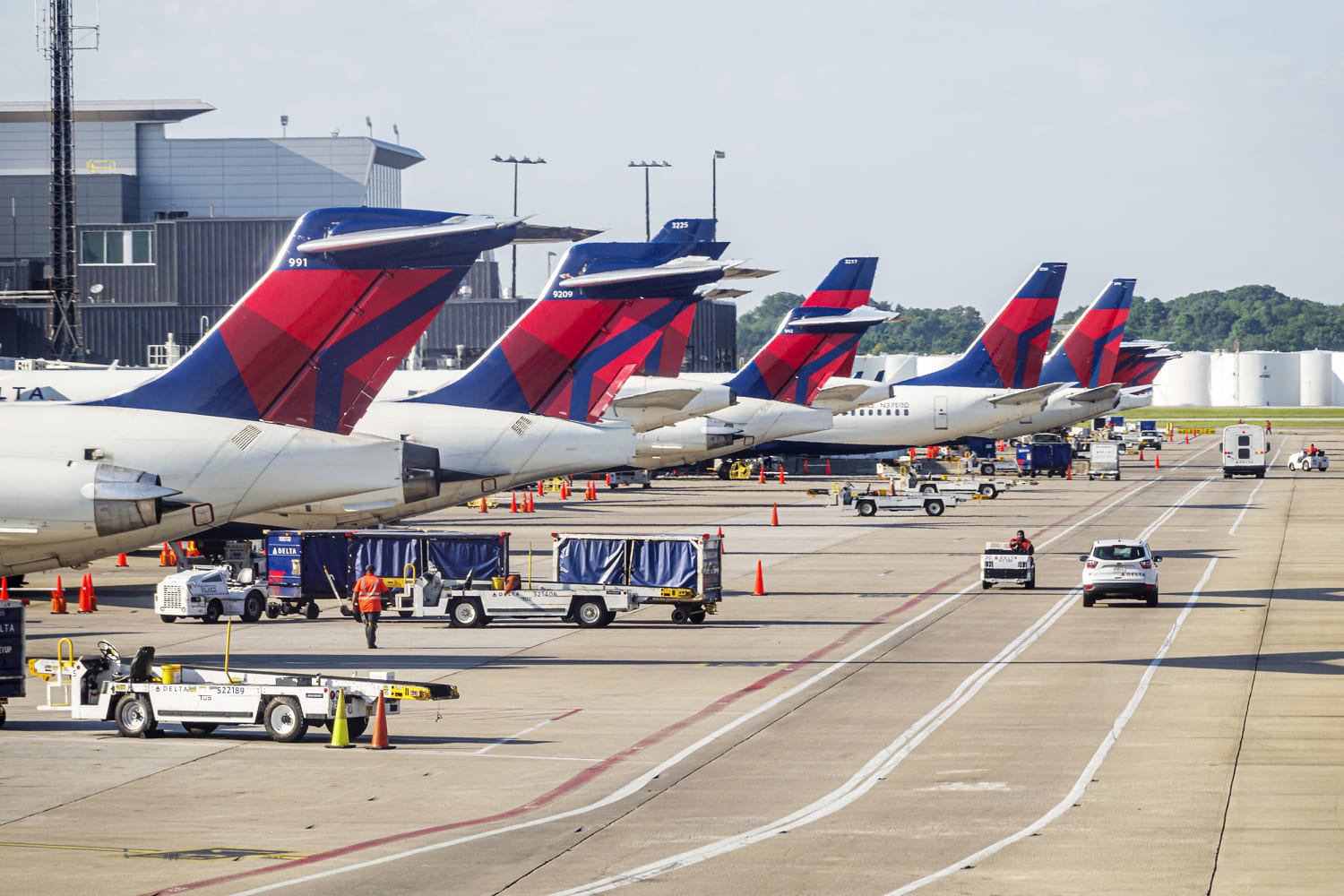
Smelling smoke inside a metal tube thirty thousand feet in the air remains a traveler's worst nightmare. On a Saturday morning departure from Hartsfield-Jackson Atlanta International Airport, that exact fear became reality for everyone onboard Delta Flight 2204.
The Orlando-bound Boeing 757 barely cleared the ground before the flight crew detected suspicious fumes pouring into the cockpit. Instead of gambling on a routine journey, the pilots immediately flipped the script, declared an emergency, and turned the plane right back around.
Nobody expects their weekend getaway to Florida to end with an emergency slide evacuation on a hot Atlanta taxiway. Yet, that is precisely how 199 passengers and six crew members exited the aircraft.
What Actually Happened on Flight 2204
The timeline unfolded fast. Flight 2204 lifted off at 7:23 a.m., aiming for a standard hop down to Orlando. Minutes later, the crew noticed unusual fumes originating in the flight deck.
Fumes or smoke in the cockpit trigger immediate safety protocols for commercial pilots. Air traffic control granted priority handling for the emergency return, guiding the heavy Boeing 757 back to the ground safely.
Landing safely marks only half the battle during an aviation emergency. Once the aircraft touched down on the tarmac, the captain ordered an immediate evacuation rather than taxiing to a standard gate. Emergency slides deployed onto the pavement.
The Reality of Emergency Slides
Slide evacuations look controlled in training videos. In practice, they are chaotic, fast, and startling.
Passengers must leave all carry-on bags behind. Jumping onto an inflatable slide from a commercial aircraft requires trusting a piece of emergency equipment you hope you never see.
Emergency response teams met the aircraft on the taxiway immediately. Ground crews deployed buses to ferry all 205 people away from the tarmac and back to the airport terminal.
Miraculously, no injuries made the initial reports. Medical personnel evaluated travelers as a precaution, but the evacuation itself finished without physical catastrophe.
Behind the Fumes
Aircraft environmental control systems pull bleed air directly from the engines to pressurize and heat or cool the cabin. When seals leak, or oil and hydraulic fluids contaminate components, the result is toxic smoke or strange odors filling the flight deck and cabin.
Maintenance crews took over the aircraft immediately after the evacuation. Finding the root cause of cockpit fumes requires stripping down components, inspecting engine bleeds, and running diagnostics.
Delta scrambled to place the stranded travelers onto a replacement aircraft. Getting two hundred people to their destination hours late ruins schedules, but it beats the alternative every single time.
How to Stay Prepared When Flying
Most flight emergencies pass without incident, but passengers rarely pay attention to the safety briefing. Taking safety seriously changes outcomes when things go sideways.
Count the rows between your seat and the nearest exit before takeoff. Leave luggage behind if an evacuation order drops. Seconds matter on a smoky plane.
Flight 2204 proved that modern aviation safety procedures work. The crew trusted their instruments, prioritized life over convenience, and got everyone back on the ground in one piece.