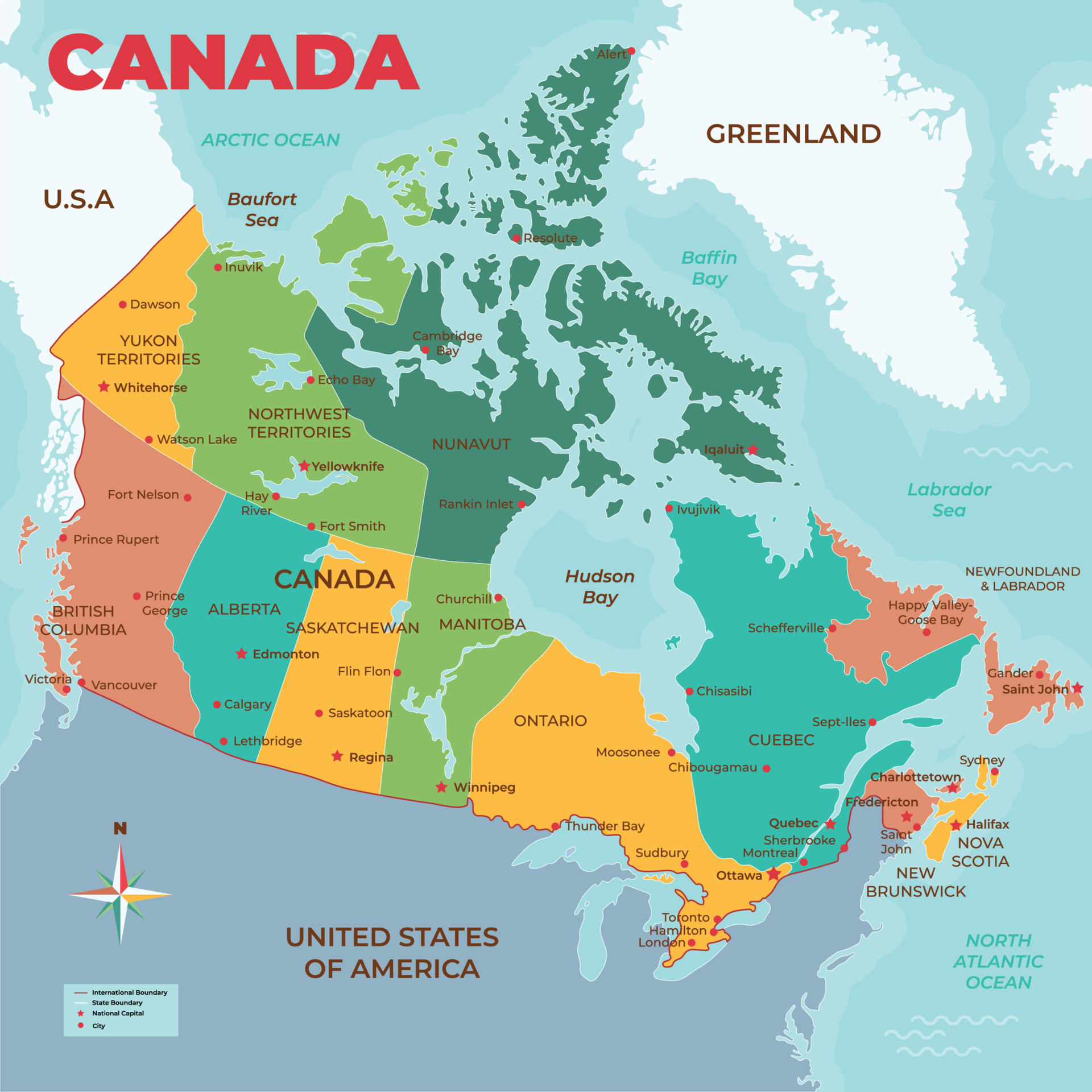
Voters in British Columbia never planned to visit ballot boxes two full years ahead of schedule. When BC NDP leader David Eby triggered a high-stakes snap election for October 24, 2026, critics called it a risky gamble designed to catch opponents off guard right on the heels of municipal contests.
Eby initially framed the surprise vote around an existential external threat, pointing to trade pressures and sovereignty challenges coming from south of the border. But that grand strategy shifted fast. On the ground, everyday voters cared less about international posturing and much more about housing costs, health care wait times, and ballooning grocery bills.
The Conservative Disarray and Sudden Rebound
Politics can transform overnight. Just weeks before election day, the BC Conservatives looked like a party in freefall. Internal friction led to mass departures and high-profile leadership shifts, giving the governing NDP a wide-open runway.
Lorne Doerkson stepped in to steady the ship, bringing back estranged MLAs and uniting a fractured base just in time. By mid-October, polling data from Ipsos showed the momentum had flipped entirely. The Conservatives clawed back and secured a crucial five-point lead among decided voters, turning what looked like an easy incumbent victory into a nail-biter across all 93 ridings.
Greens, Independents, and Municipal Echoes
While the major two parties slugged it out for the mandatory 47 seats needed to form a majority government, minor parties found unexpected room to breathe. BC Green Party leader Emily Lowan turned heads during the televised leaders' debate, pulling praise from political pundits and catching the eye of progressive voters tired of status-quo politics.
Coming right after local municipal races, the provincial showdown carried distinct local ripples. High-profile endorsements, including Vancouver mayor-elect Pete Fry throwing his support behind Lowan, injected unpredictable energy into urban ridings.
Understanding the New Legislative Math
With 7,357 polls reporting across the province, every single riding mattered. Ridings in the Lower Mainland and Vancouver Island became intense battlegrounds where razor-thin margins decided political futures. Whether you're tracking the popular vote shifts or watching tight races with less than a five-percent margin separating candidates, this election proved that British Columbians are willing to rewrite traditional loyalties when cost-of-living pressures hit home.
Keep a close eye on local riding updates and certified final counts as the province adjusts to its new legislative reality.