On August 10, 2026, the ground beneath western Colombia didn't just shake—it fractured. A 7.4 magnitude earthquake struck near San José del Palmar, turning a quiet Monday morning into a national nightmare. If you've been following the headlines, you’ve seen the numbers: over 250 confirmed dead and thousands still unaccounted for.
This isn't just another seismic event. It is the most powerful earthquake to hit the region in a century, exposing deep vulnerabilities in infrastructure and emergency response capabilities.
What actually happened in the Chocó region
The quake hit at 7:34 a.m. local time, centered at a depth of about 96 to 110 kilometers. Because of this depth, the energy radiated across a massive area, impacting multiple departmental capitals simultaneously. When you have cities like Pereira, Cali, Manizales, and Quibdó all under red alert at the same time, the local rescue resources hit a breaking point immediately.
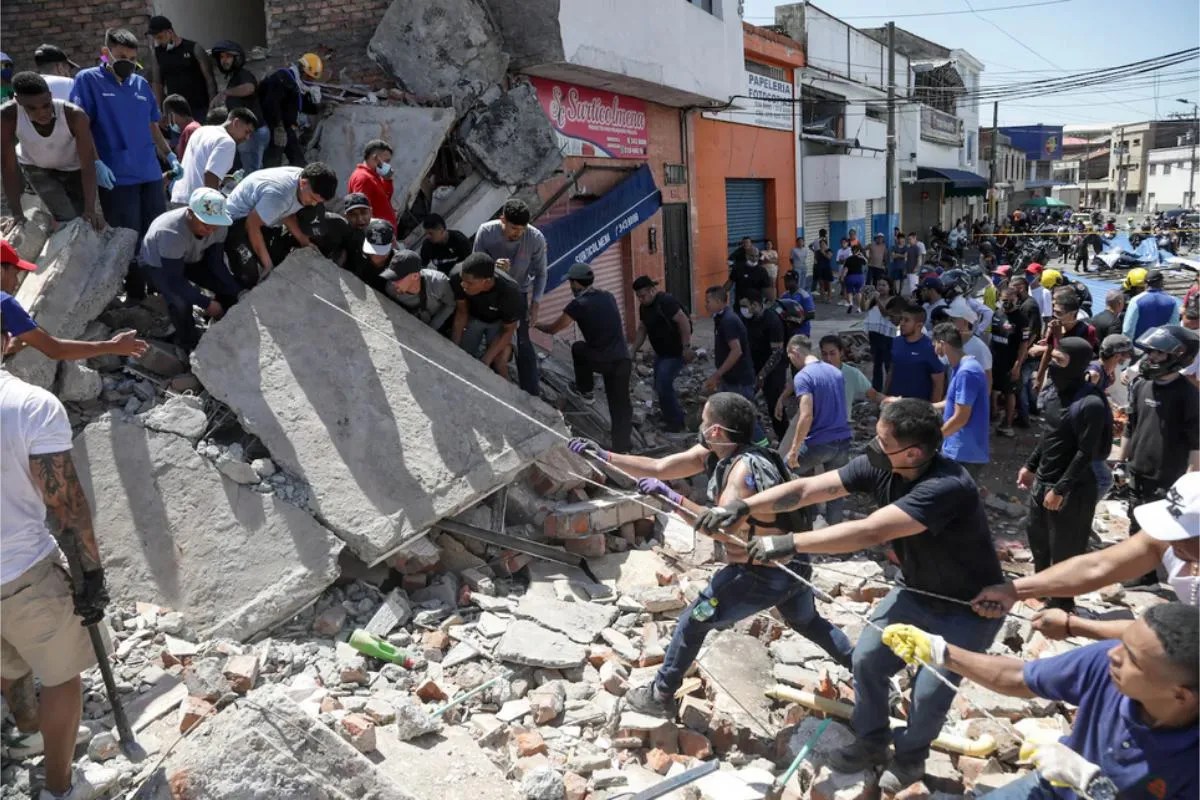
The geography here matters. Chocó is notoriously difficult to access. Roads were severed by landslides and structural failures, turning isolated communities into islands. In cities like Pereira, entire residential blocks weren't just damaged—they were reduced to piles of concrete.
The reality behind the missing persons count
You’ve likely seen reports of over 4,000 people listed as missing. It’s easy to look at that number and assume the worst, but it’s critical to understand how these figures work during a disaster.
In the immediate aftermath, communications infrastructure—cell towers, fiber optics, power grids—goes dark. When families can't reach their loved ones, they register them as missing. In a country where many residents rely on mobile networks for everything, a total blackout creates a temporary "missing" crisis that often shrinks as power returns and people reunite.
That said, the sheer scale of structural collapse in cities like Cali and Pereira suggests that a significant portion of this number reflects people still trapped beneath the debris. Rescue workers, soldiers, and volunteers are currently performing a grueling, slow-motion search. They’re using everything from heavy excavators to bare hands to pull survivors from the wreckage.
Infrastructure failure is the silent killer
The most jarring aspect of this earthquake is how it affected major infrastructure. When you lose the control tower at an international airport, as happened in Armenia, you don't just lose a building; you lose the ability to bring in international aid quickly.
More than 1,600 buildings have either collapsed or sustained major structural damage. In Manizales, the iconic Cathedral Basilica of Our Lady of the Rosary suffered a partial collapse, a visceral symbol of the destruction that has left many citizens shaken and hopeless.
Hospitals, which should be the safest places in a crisis, weren't spared. Cali saw sections of a hospital crumble, forcing medical teams to treat patients out on the streets amidst the rubble. This forces an impossible choice on first responders: do you stabilize a patient on a sidewalk or try to transport them through cracked, debris-strewn roads to a facility that might also be compromised?
The road to recovery
President Abelardo de la Espriella, only days into his term, is facing his first major trial. He’s declared a national state of disaster, which is the right move—it clears the administrative path for emergency funding and international military aid.
International support is already moving. The U.S. has pledged $15.5 million in aid, and satellite data from the EU’s Copernicus program is being used to map the destruction in real-time. But money doesn't clear rubble.
If you are looking for ways to help or follow the situation accurately, keep these factors in mind:
- Stick to official channels: With 4,000 people missing, social media is currently flooded with both genuine pleas and misinformation. Verify reports through local government authorities like the Colombian Geological Service or the governor’s office in Chocó.
- Support established NGOs: The Red Cross and local Colombian humanitarian groups are better equipped to handle the logistical nightmare of this geography than uncoordinated individual efforts.
- Monitor the aftershocks: A 7.4 event is rarely a one-time shock. There have already been over 50 aftershocks, some reaching magnitude 5.0. These aftershocks turn structurally "damaged" buildings into death traps.
The recovery won't be measured in weeks; it will be measured in years. The focus right now is purely on the search, but soon the conversation will shift to the reconstruction of entire neighborhoods that were never built to withstand such a violent strike.
Stay alert and verify information before sharing. This situation is evolving by the hour.