Seventy-two matches. Sixteen days. An absolute avalanche of 215 goals.
If you thought expanding the World Cup to 48 teams would dilute the product and leave us with boring, defensive football, the group stage just proved everybody completely wrong. We didn't get a watered-down tournament. We got a chaotic, high-scoring spectacle that completely shattered the previous tournament record of 172 goals set in Qatar.
The math is staggering. Teams averaged 2.99 goals per game. Think about that for a second. We practically averaged three goals every single time two nations stepped onto the pitch.
But why did the net ripple so much, and what does this mean for the Round of 32? The truth behind the numbers reveals a massive tactical shift, a bit of weather chaos, and a brutal gap between the elite and the newcomers.
The Chaos of a 48 Team Field
Purists spent months whining about the expanded format. They claimed small nations would just park the bus and play for ugly 0-0 draws. Instead, the exact opposite happened.
The gap between global heavyweights and tournament debutants created an absolute feast of landslide victories. A quarter of all group-stage games—18 matches total—were decided by three goals or more. To put that in perspective, only about 10% of games in Qatar met that description.
Look at how the big teams took advantage. Germany absolutely dismantled Curaçao 7-1. Canada steamrolled Qatar 6-0. France, powered by Kylian Mbappé and Ousmane Dembélé scoring four goals each in the opening stage, brushed Iraq aside 3-0.
When smaller teams tried to sit deep, they got picked apart. When they tried to play open football, they got punished. Iraq lost all three of their matches by three goals or more, conceding four to Norway, three to France, and five to Senegal.
Heat Stamina and the Late Drama Tax
It wasn't just tactical mismatches causing the goal surge. The brutal summer weather across North America played a massive role.
Teams that attempted to play a high-pressing style during the first 45 minutes paid a heavy physical price. By the 70th minute, stamina levels plummeted. Formations stretched, midfielders stopped tracking back, and defenses turned into walking target practice.
That exhaustion directly fed into the insane late-game drama we saw on the final matchdays. Take Group J's conclusion between Algeria and Austria. Everyone expected a cagey, tactical battle to secure progression. Instead, exhaustion and desperation collided for a thrilling 3-3 draw, with Austria grabbing an equalizer with the literal last kick of the match to send both teams through.
That single goal eliminated an incredibly unlucky Iran squad, proving that in this new format, you cannot afford to switch off for even half a second.
Golden Generations and Historic Firsts
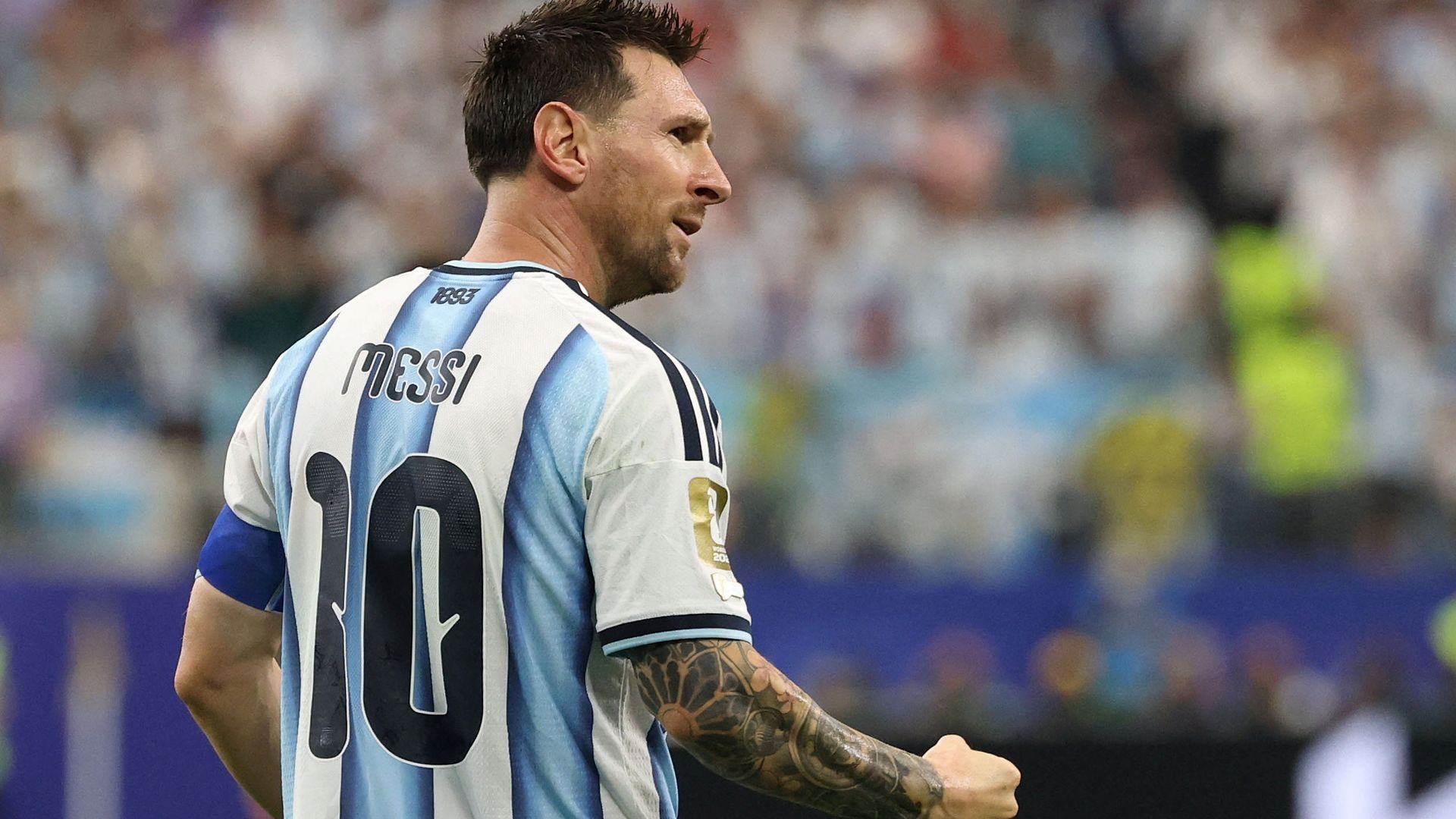
While Lionel Messi is busy making history—bagging a hat trick at 38 years old to become the oldest player to do so at a World Cup—the real beauty of this tournament lies in the unexpected breakthroughs.
The Democratic Republic of Congo just pulled off one of the stories of the summer. They secured a spot in the knockout rounds for the first time in their history by dominating Uzbekistan 3-1. They didn't sneak through on some technicality or disciplinary tiebreaker; they earned it by playing fearless, attacking football.
Even the heavyweight stalwarts had to fight through weird dynamics. England topped Group L by beating Panama 2-0, but they looked sluggish doing it. Portugal and Colombia played out a tense 0-0 draw, showing that some traditional giants are still trying to figure out their identity before the real pressure starts.
Navigating the Round of 32 Bracket
The group stage is history. The real tournament starts now, and the first ever Round of 32 bracket is absolute madness.
Because FIFA had to advance the eight best third-placed teams, the matchups are completely asymmetrical. Portugal's inability to win their group means they've slipped over to Spain's side of the bracket. If Portugal can get past Croatia, and Spain handles business against Austria, we are on a direct collision course for a Spain vs. Portugal blockbuster in the Round of 16.
Meanwhile, host nation Canada gets the honor of kicking off the knockout phase against a dangerous South Africa team in Los Angeles. The United States drew a disciplined Bosnia and Herzegovina squad, while England will face off against Congo.
The margin for error is officially zero. The group stage rewarded relentless attacking play, but history tells us that knockout football favors the teams that can actually lock things down defensively.
If you're betting on games or adjusting your fantasy brackets, look for teams that managed to control tempo rather than just riding the wave of high-scoring chaos. The teams that survived on pure adrenaline are about to run into a wall against squads that know how to choke out a game. Keep an eye on how coaches manage their substitutions in the midday heat, because depth in the second half will dictate who survives.