A brutal weather system is settling over the eastern United States right now, and it's putting the biggest sporting event on the planet in a dangerous spot. A massive heat dome has trapped sizzling air over multiple host cities for the 2026 FIFA World Cup. Temperatures are spiking well into the 90s, and when you mix in the crushing summer humidity, the heat index values are easily breaching 105 degrees Fahrenheit. This isn't just about general discomfort or sweaty jerseys. It's a full-blown safety risk for the athletes on the pitch and the millions of fans filling up open-air stadiums.
The tournament is already underway across Canada, Mexico, and the US, but the current climate setup is delivering exactly what scientists warned about for years. Open-air venues in places like Atlanta, Miami, Philadelphia, and New Jersey are bearing the brunt of this high-pressure system. It locks in heat, blocks cloud cover, and pushes the human body past its natural limits. If you're heading out to a match or following the tournament, you need to understand what's actually happening on the ground and how this extreme weather changes the game entirely.
Understanding the Heat Dome Threat
A heat dome happens when a strong ridge of high pressure traps hot air over a massive region, acting like a lid on a boiling pot. The air sinks and compresses, warming the surface even more. Because the high pressure pushes clouds away, the sun beats down relentlessly on the concrete bowls of these massive sports stadiums.
The main problem right now is that the system isn't moving. It's lingering over major metropolitan hubs along the East Coast and parts of the South. In Atlanta, daytime highs are hovering near the upper 90s. In Miami, the combination of intense tropical moisture and high heat means the air feels heavy enough to chew.
Meteorologists use a specific metric called Wet Bulb Globe Temperature to measure heat stress in direct sunlight. This calculation factors in temperature, humidity, wind speed, and solar radiation. It gives a much truer picture of physical danger than a standard thermometer. When the wet-bulb temperature creeps past 82 degrees Fahrenheit, sports organizations typically start implementing emergency cooling measures. Right now, several Eastern US venues are flirting with or exceeding that safety threshold during afternoon and early evening hours.
What Extreme Heat Does to World Cup Players
Soccer is a sport built on continuous movement. Elite players routinely run six to nine miles during a single 90-minute match. They perform dozens of high-intensity sprints, change direction constantly, and lose liters of fluid through sweat.
When a player performs in a heat dome, their body has to work twice as hard to keep its core temperature down. Blood gets diverted away from the working muscles and sent to the skin to help dissipate heat. This means less oxygen reaches the legs, causing performance to drop off a cliff. Sprints get slower. Recovery times between plays grow longer. Mental fatigue sets in, leading to sloppy passing and dangerous defensive mistakes.
According to research from the Korey Stringer Institute at the University of Connecticut, athletic performance drops significantly once a player's core body temperature starts climbing above 102 degrees Fahrenheit. If that internal number reaches 104 degrees, the player enters the danger zone for heatstroke. Heatstroke is a medical emergency that can cause organ damage or death if it isn't treated within 30 minutes by rapidly cooling the body in an ice bath.
The global players' union, FIFPRO, previously warned that a large portion of the 2026 matches could face extreme conditions. Players coming from cooler European or South American winter leagues face an uphill battle. Their bodies haven't had the weeks required to acclimate to intense North American humidity.
The Overlooked Risk in the Stadium Stands
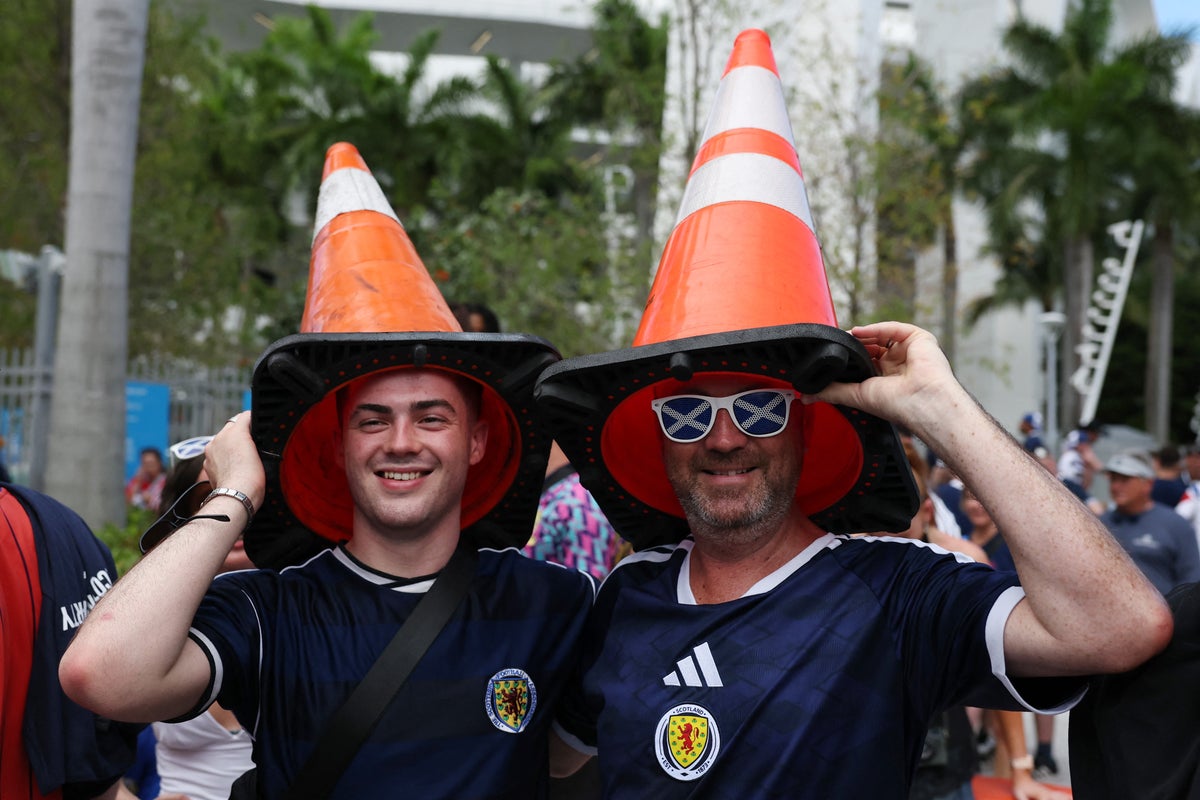
While the players are elite athletes monitored by top-tier medical staffs, the millions of fans packing the stadiums have no such luxury. The 2026 World Cup is drawing record-breaking crowds, with over 5 million visitors traveling across the host nations. Many of these travelers aren't used to the harsh summer climate of the American South or East Coast.
Open-air stadiums like MetLife Stadium in New Jersey, Lincoln Financial Field in Philadelphia, or Hard Rock Stadium in Miami offer very little shade for the average ticket holder. Fans sit on hot plastic or metal seats for hours. They stand in long lines for security, food, and water.
Urban environments make this worse through the heat island effect. Concrete and asphalt absorb solar radiation during the day and radiate it back out, keeping stadium plazas incredibly hot even after the sun starts to set.
Dehydration is the biggest enemy here. Many fans drink alcohol or sugary sodas while tailgating or sitting in the stands, which accelerates fluid loss. Combine that with high humidity—which stops sweat from evaporating efficiently off your skin—and you have a recipe for widespread heat exhaustion. Local emergency medical services in host cities are already seeing a spike in heat-related calls at fan festivals and stadium zones.
Certain groups face much higher stakes. Elderly fans, young children, pregnant women, and people taking specific medications like beta-blockers are highly vulnerable to heat illness. Even young, healthy fans can succumb if they spend hours jumping and chanting in the sun without adequate hydration.
How Organizers are Forcing Adjustments
FIFA and local host committees aren't completely blind to these risks. They've built several modern protocols into the tournament structure to keep people alive, though critics argue the sheer scheduling of a summer tournament in these regions remains fundamentally flawed.
Hydration breaks are now mandatory when conditions hit specific wet-bulb benchmarks. Referees stop the match around the 30th and 75th minutes, allowing players to run to the sidelines, grab cold towels, and drink fluids. Team doctors use these brief windows to assess players for signs of confusion or extreme exhaustion.
Match timing has also shifted slightly where possible. Hotter cities are hosting more night matches to avoid the peak solar radiation of the early afternoon. However, television broadcast windows for global audiences mean some games still kick off while the sun is high and the air is stifling.
In the fan zones and plazas, cooling stations have popped up. Cities are installing misting fans, giving out free water refills, and urging people via stadium video boards to seek shade. But when 70,000 people try to find a cool spot at halftime, the infrastructure gets pushed to its absolute limit.
Actionable Tips to Survive a Hot World Cup Match
If you hold tickets for an upcoming match in the eastern US or plan to spend the day at an outdoor fan festival, you can't just show up and hope for the best. You need a survival strategy.
Pre-hydrate before you leave your hotel. Waiting until you feel thirsty inside the stadium means you're already behind on fluids. Drink water and electrolyte solutions the night before and the morning of the match.
Dress for utility, not just team fashion. Wear loose-fitting, light-colored clothing that allows air to circulate around your body. A wide-brimmed hat and high-SPF sunscreen are non-negotiable. Reapply that sunscreen every two hours, because sweating washes it right off.
Limit alcohol intake during peak heat hours. For every beer or cocktail you consume, force yourself to drink at least 16 ounces of pure water. Alternate your beverages strictly to avoid rapid dehydration.
Know where the medical tents are located. Keep an eye on your friends and family. If anyone exhibits dizziness, a pounding headache, nausea, confusion, or stops sweating while feeling intensely hot, get them to a cooling station or a medical tent immediately.
The heat dome isn't going away over the next few days. Treat the weather as a serious opponent, protect your body, and don't let a historic soccer match turn into a medical disaster.