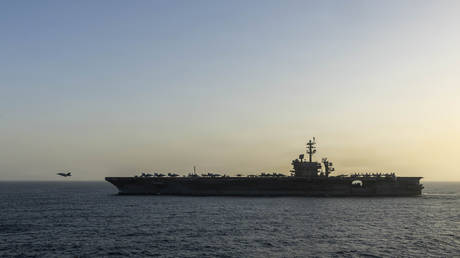
When INS Trishul docked in Toulon, it wasn't just another routine port call. It marked the official beginning of the 24th edition of exercise Varuna, the long-running bilateral maritime drill between India and France.
If you look past the standard diplomatic handshakes, this exercise reveals a lot about how New Delhi and Paris view maritime security in the Indo-Pacific and European waters. Let's break down what's actually happening during this deployment and why it matters right now.
What is Exercise Varuna
Started way back in 1993, Varuna became a formal fixture of bilateral naval cooperation in 2001. It got its current name a few years later. The main goal? To build intense operational interoperability between the Indian Navy and the French Navy.
You see, modern naval warfare isn't just about having big ships. It's about communication, shared tactical pictures, and being able to plug-and-play your operational systems with an allied fleet thousands of miles away from home. When things go sideways on the high seas, navies don't have time to read instruction manuals on how to talk to each other. They practice it here.
Inside the Toulon Deployment
Toulon is the major home port of the French Navy's Mediterranean fleet. Having INS Trishul arrive there signals deep trust and logistical cooperation.
During the 24th edition, sailors from both sides are running through complex surface gunnery, anti-submarine warfare drills, air defense exercises, and intense tactical maneuvers. These aren't gentle exercises. They push multi-role frigates like INS Trishul to their absolute limits, testing radar systems, electronic warfare countermeasures, and helicopter operations under simulated combat conditions.
Why France and India Keep Strengthening Naval Ties
People often ask why India works so closely with France compared to other European partners. The answer is simple: strategic autonomy.
France has overseas territories in the Indian Ocean. India is right in the middle of it. Both capitals share a mutual distrust of unilateral dominance in critical maritime choke points. By sharing intelligence, conducting joint patrols, and running exercises like Varuna, both nations ensure that open sea lanes remain free and secure.
You're looking at a partnership built on shared hardware compatibility too. The Indian Navy already operates French-designed Scorpène-class submarines and relies heavily on other defense platforms, making joint drills much smoother than they would be with mismatched military architectures.
What Happens Next
The conclusion of this phase of exercise Varuna will see joint debriefs, strategic reviews, and further port engagements designed to cement defense manufacturing and maintenance partnerships.
Keep an eye on how these bilateral drills evolve over the next few years. As global supply chains face increasing maritime threats, the tactical lessons learned in Toulon today will shape how both navies protect commercial shipping lanes tomorrow.