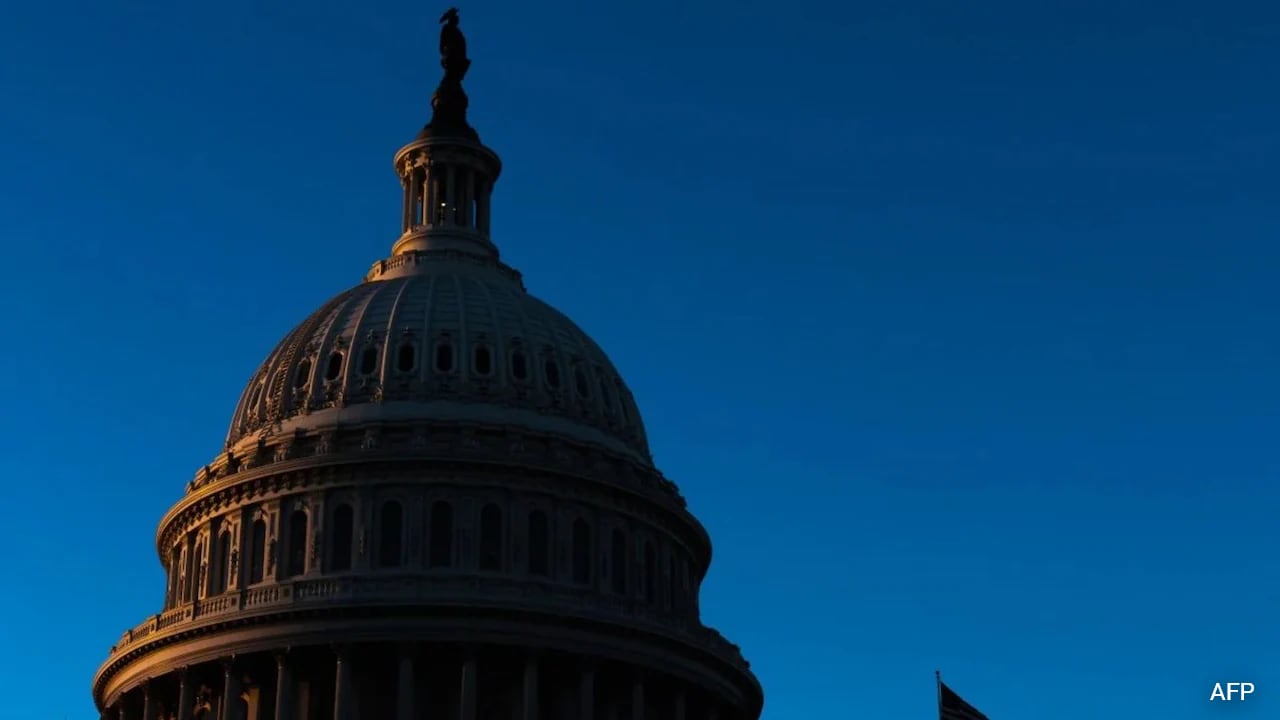
Two hundred fifty-eight seats. That's the number House Democrats just cleared after Democrat Chuck Hubbard edged past Republican Rep. Virginia Foxx in North Carolina.
It's a huge deal. Honestly, if you've watched congressional math over the past few cycles, a majority this wide feels almost unreal. Democrats haven't posted general election numbers this strong in the House since 1992, nudging past the 257 seats won during Barack Obama's 2008 wave and beating their 40-seat gain from the 2018 midterms. With four races still undecided—two heading to a December runoff in Louisiana, plus open counts in Minnesota and Tennessee—the final tally isn't even locked in yet.
Anyone searching about this milestone wants to know two things right away. Did Democrats actually lock up Congress, and what happens next when a Republican president sits in the White House? Yes, Democrats are taking control of both chambers in January, pairing at least 258 House seats with a 56-seat Senate majority. That sets up a classic clash of divided government, except the cushion in the House gives incoming leadership room to breathe that Mike Johnson rarely had during his tight 218-214 stretch.
Why 258 House Seats Is More Than A Trivia Stat
Numbers in politics get tossed around like confetti, so let's be plain about why 258 matters. When a party holds a razor-thin majority, two or three defectors can sink a bill on the floor. You spend your life counting noses, cutting last-minute deals for a single vote, and praying nobody catches the flu before a roll call.
With 258 seats in a 435-member chamber, the math shifts dramatically. Hakeem Jeffries—poised to become the first Black Speaker of the House when members vote on January 3, 2027—can afford to lose dozens of his own members on a tough vote and still clear the 218 threshold. That doesn't mean the caucus suddenly acts as one mind. Rep. Troy Carter of Louisiana put it plainly when talking about the incoming class: Democrats aren't a monolith, and people arrive with competing ideas. Having a wide margin simply means internal disagreements don't automatically paralyze floor action.
I've covered enough Capitol Hill standoffs to know that raw seat count shapes leverage long before a gavel drops. Committee chairs get real subpoena muscle. Staff budgets grow. And the White House has to treat legislative threats seriously rather than banking on a handful of moderate holdouts to bail out a veto or a spending fight.
How The Map Moved Beyond Standard Midterms
Midterm waves usually follow a predictable script, yet this cycle broke the pattern in a few telling ways. Democrats didn't just pick up seats in obvious suburbs; they racked up a 44-seat gain so far across a wide swath of terrain, from deep-red territory to the Midwest and East Coast.
Redistricting also played a noisy role in the background. According to Ballotpedia's 2026 House election tracking, nine states used revised congressional maps compared to 2024, including voluntary mid-decade redraws in California, Florida, North Carolina, Tennessee, and Texas. Even with cartographers tinkering with district lines, voters punished incumbents and flipped seats at a pace unseen in decades.
What Voters Were Actually Punishing At The Polls
If you reduce a 44-seat swing to a single slogan, you'll miss what really drove people into the voting booth. Voters were angry about stubbornly high living costs, frustration over the Iran war, and nagging worries about corruption and ethics in Washington.
Rep. Jason Crow of Colorado captured that raw urgency at the Capitol, saying lawmakers have to feel real pressure because people are losing healthcare, livelihoods, and farms while feeling cornered by immigration enforcement. You don't have to agree with his framing to see the political reality behind it. When household budgets feel squeezed and foreign entanglements drag on, voters look for someone to blame—and right now, the sitting administration wore the blame.
There's a trap here for Democrats, though. Big wave victories tempt parties to overread their mandate. Rep. Alexandria Ocasio-Cortez called the large incoming class a mandate for change. Meanwhile, centrist Rep. Tom Suozzi—an accountant by training—argued that members should spend roughly three-quarters of their energy on affordability and one-quarter on accountability, always tying oversight back to people's pocketbooks.
In my view, Suozzi's instinct hits closer to what sustains a majority. Voters rarely reward endless process fights if grocery bills and health premiums still sting. Investigations make headlines; lower costs make voters stick around.
Healthcare And The 100-Day Playbook
Democrats are already sketching out a 100-day agenda aimed straight at kitchen-table costs. Top of the list: swift floor votes to roll back Republican Medicaid cuts and bring back expired Affordable Care Act tax credits.
Here's the catch nobody should gloss over. Passing a bill through a Democratic House and a 56-seat Democratic Senate is one thing. Turning it into signed law with a Republican president in the White House is something else entirely. Even with big margins on Capitol Hill, a presidential veto remains a massive hurdle unless Democrats find leverage through must-pass funding bills or public pressure campaigns.
Oversight, Impeachment Talk, And White House Pushback
Alongside policy votes, House Democrats plan to lean hard into congressional oversight once they take the gavel. Committee leaders are eyeing probes into how Donald Trump and his family have grown wealthier since his return to office.
Jeffries hasn't ruled out pursuing a third impeachment effort against Trump, a prospect that already has Washington bracing for maximum friction. Yet impeachment in the House is only half the story, and conviction in the Senate requires a supermajority that a 56-seat Democratic majority doesn't come close to reaching on its own.
The White House isn't sitting quietly waiting for subpoenas to arrive. Administration officials have pushed back hard, warning that planned congressional probes could amount to "blatant criminality" and moving to tighten executive guardrails, including directing contractors to consult the White House before responding to Congress. Expect court battles over executive privilege, delayed document productions, and plenty of political theater on both sides.
Where The GOP Goes From Here
For Republicans, falling to at least 173 House seats is a sobering drop from past highs—well below the 247 seats they held late in the Obama era or the 230 they won in 1994, let alone the party's 1920 peak of 301. Incoming minority leader Rep. Jim Jordan of Ohio has pledged to fight back over the next two years on behalf of American families.
Don't count out a minority party with a friendly occupant in the Oval Office. Even without the speaker's gavel, Republicans will use floor procedure, messaging discipline, and White House alignment to slow Democratic priorities and try to split the coalition before 2028.
Practical Moves To Track What Happens Next
If you're following this shift for work, investing, policy advocacy, or simple civic sanity, don't get lost in cable-news shouting matches. Focus on the concrete signals that actually move policy and markets:
- Watch the four remaining House contests: Track the December runoffs in Louisiana and the remaining counts in Minnesota and Tennessee to see whether Democrats pad their cushion toward 260 or stop at 258.
- Check the January 3, 2027 speaker vote and committee assignments: Pay attention to who chairs key oversight and healthcare panels and how quickly leadership schedules Medicaid and ACA votes.
- Follow subpoena and executive-privilege rulings: Watch federal court dockets rather than soundbites to see how far congressional investigators can actually compel records from the executive branch.
- Compare bill text against spending deadlines: Real leverage shows up when government funding deadlines collide with White House resistance, not in press conferences.