You wake up, check your phone, and read that a major Southern California hospital is locked down because an anonymous caller threatened to blow it up. Sound surreal? It happened at Huntington Hospital in Pasadena, and the digital footprints point straight toward an increasingly notorious online network: the 764 group.
If you haven't heard of 764 yet, you're about to. Law enforcement agencies are scrambling to track an evolving breed of online extremists who operate primarily behind screens, coordinating swatting campaigns, extortion, and psychological terror. This wasn't just a random prank call. It's part of a widening blueprint of digital intimidation that targets critical public infrastructure.
What Actually Happened at Huntington Hospital
The clock had barely hit 5:49 a.m. on a Friday when the call came into Huntington Hospital. According to Pasadena police statements, the caller claimed membership in the extremist network known as 764. The demands and threats were terrifyingly specific. The caller asserted that multiple explosive devices were hidden across the medical campus. To ratchet up the panic, they added that two additional accomplices were barreling toward the facility in a stolen car equipped with automatic rifles.
Police response was immediate and massive. Officers, firefighters, and specialized explosive-detection K-9 units flooded the campus. Incoming emergency ambulances were diverted to neighboring medical centers, and public access points were strictly secured.
Yet, as the hours ticked by and K-9 units tore through the buildings, a grim reality set in: nothing was there. No explosives. No gunmen. Just empty corridors, terrified staff, and an all-clear notice issued shortly after 9 a.m.
It was a classic, high-stakes swatting hoax. But the group behind it is far from ordinary.
Inside the 764 Group Threat Matrix
Federal authorities and local police aren't dealing with traditional political militants here. The 764 group functions as a loose, shadowy network largely comprised of young males under 25 who weaponize social media platforms and encrypted chat rooms.
Historically, investigators have linked the network to horrific online extortion schemes targeting vulnerable minors—coercing teenagers into self-harm or violence through digital blackmail. Moving from online coercion to physical infrastructure threats marks a dark escalation.
Just days before the Pasadena incident, the FBI's Internet Crime Complaint Center issued a public service announcement warning of a coordinated surge in swatting attacks. These actors are shifting their crosshairs toward soft targets: schools, houses of worship, transit hubs, and hospitals. They know exactly how much panic a single phone call can cause. They thrive on seeing emergency responders scramble and news stations broadcast live aerial views of blocked-off streets.
Why Hospitals Are the New Frontier for Swatting
Hospitals are nightmare scenarios for security teams. You can't just lock the front doors and evacuate everyone. Patients are on life support, surgeries are mid-operation, and emergency rooms must stay functional.
When a group calls in a bomb threat, they force a massive allocation of municipal resources. Police officers are pulled from regular patrols, fire departments go on standby, and trauma patients lose precious minutes because ambulances have to reroute.
The perpetrators understand these friction points. They use internet protocol masking and decentralized communication channels to stay hidden, treating real-world terror as a digital game. Southern California has seen this script before—such as an April swatting incident at Southern California Hospital in the Culver City area—but the explicit invocation of the 764 network raises the stakes considerably.
What Law Enforcement Is Doing Now
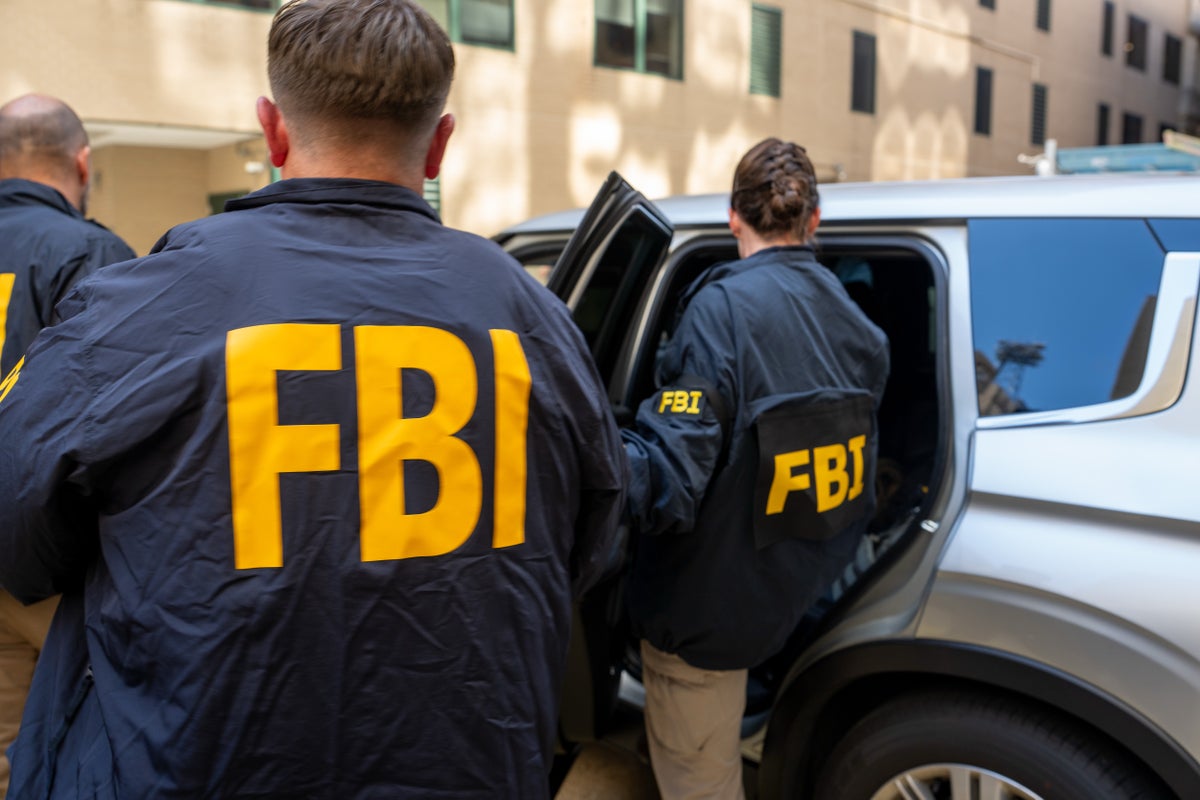
The FBI is currently working side-by-side with the Pasadena Police Department to trace the origin of the internet-routed call. While no arrests have been finalized immediately following the sweep, federal task forces are pouring resources into identifying the specific nodes within the 764 network responsible for orchestrating the hoax.
If you have any information regarding online threats or suspect accounts tied to these campaigns, you can submit an anonymous tip directly to the FBI through their online portal or contact local authorities.
Digital threats have real physical consequences. Until these online ecosystems face strict accountability, local clinics and major health networks will remain on high alert.
FBI probes alleged "764" group accused of extorting minors into violent acts
This video provides an overview of the FBI's investigations into the 764 extremist network and its methods of online targeting.
http://googleusercontent.com/youtube_content/1