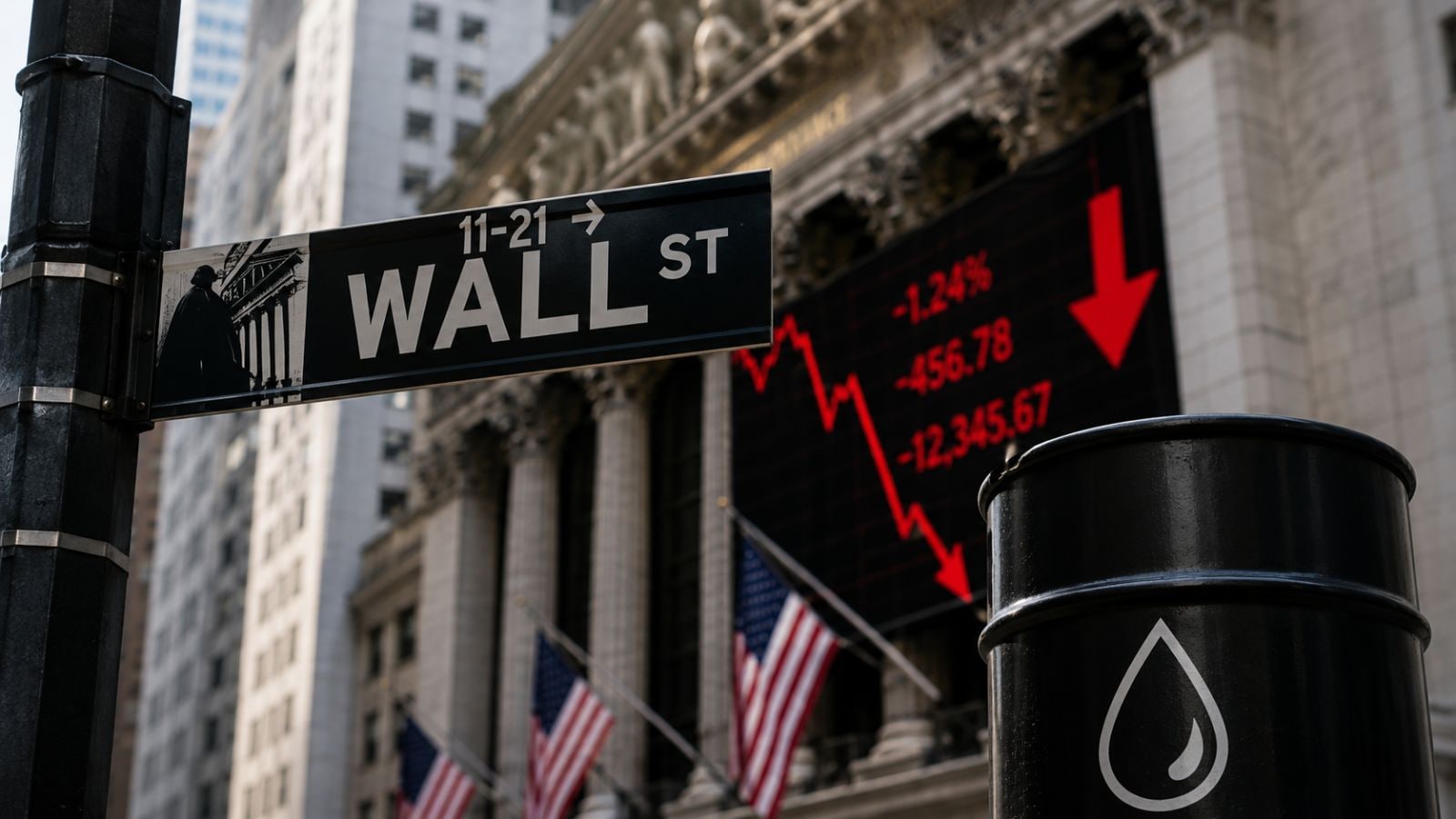
Big corporate spin-offs rarely happen by accident. When a healthcare giant decides to slice off an $8.5 billion division, you need to look past the corporate press release. Abbott Laboratories announced plans to spin off its entire nutrition business—the home of Similac, Ensure, and PediaSure—into a standalone publicly traded company by late 2027. Wall Street reacted with a predictable knee-jerk drop in share price, but the real story is much messier.
If you've been following the massive wave of infant formula litigation, safety recalls, and federal investigations, you already know why this unit has suddenly become a liability. Let's break down what's actually happening behind closed doors at Abbott and why shedding this division is a defensive chess move.
The Weight of the Baby Formula Crisis
Manufacturing infant formula isn't like making medical devices or pharmaceuticals. One tiny slip in quality control can spark a nationwide panic, infant illnesses, and multi-billion-dollar legal exposure. Abbott learned this the hard way.
The nutrition segment has been bogged down by severe operational headwinds. Think back to the 2022 Sturgis plant shutdown that triggered a historic nationwide baby formula shortage. That crisis wasn't just a logistical nightmare; it opened the floodgates to intense regulatory scrutiny and devastating lawsuits.
Just recently, Abbott agreed to shell out $385 million to settle U.S. Department of Justice False Claims Act allegations tied to manufacturing practices. On top of that, they shelled out $670 million to resolve thousands of claims alleging that their specialized infant formula for premature babies carried hidden risks of necrotizing enterocolitis, a dangerous intestinal disease. When legal liabilities and regulatory settlements cross the billion-dollar threshold, leadership looks for an exit strategy.
Shielding High Growth From Legacy Risk
Corporate restructuring is basically a game of containment. Abbott wants to focus on its high-margin, innovation-driven medical devices, diagnostics, and established medicines. Those divisions print money without the constant threat of contamination litigation or public relations nightmares hanging over every earnings call.
By setting up the nutrition division as an independent publicly traded company led by veteran executive Daniel Salvadori, Abbott effectively builds a fire wall. The new standalone entity will house 16,000 employees and 14 production sites worldwide.
Investors will receive tax-free shares in the new entity, meaning current shareholders still own a piece of the pie. But legally and operationally, the parent company is distancing itself from the heaviest baggage. It is classic corporate triage: isolate the underperforming, lawsuit-heavy asset so the mothership can keep cruising.
What This Means for Consumers and Investors
If you rely on Similac or Ensure, don't panic. The spin-off timeline stretches out to the end of 2027, and day-to-day operations won't suddenly vanish. However, the new standalone nutrition company will have to stand on its own two feet. Without the massive capital cushion of Abbott's medical device empire to absorb multi-million dollar legal hits, leadership will have to tighten margins, optimize manufacturing plants, and aggressively defend market share against rivals like Reckitt Benckiser, which has also grappled with similar formula litigation hurdles through its Mead Johnson unit.
For investors, the drop in Abbott's stock price following the announcement highlights market anxiety over reduced near-term guidance and structural uncertainty. Yet, long-term investors often favor pure-play companies. Once the legal dust settles and the spin-off completes, the core Abbott stock will look cleaner, leaner, and far more attractive to institutional buyers who hate regulatory volatility.
Corporate giants don't abandon legacy cash cows unless the headaches outweigh the profits. Abbott's separation of its nutrition unit marks the end of an era for the conglomerate and a risky new chapter for the standalone formula maker. Watch how the leadership handles the remaining litigation pipeline, because that will dictate whether this new company thrives or sinks under its own weight.