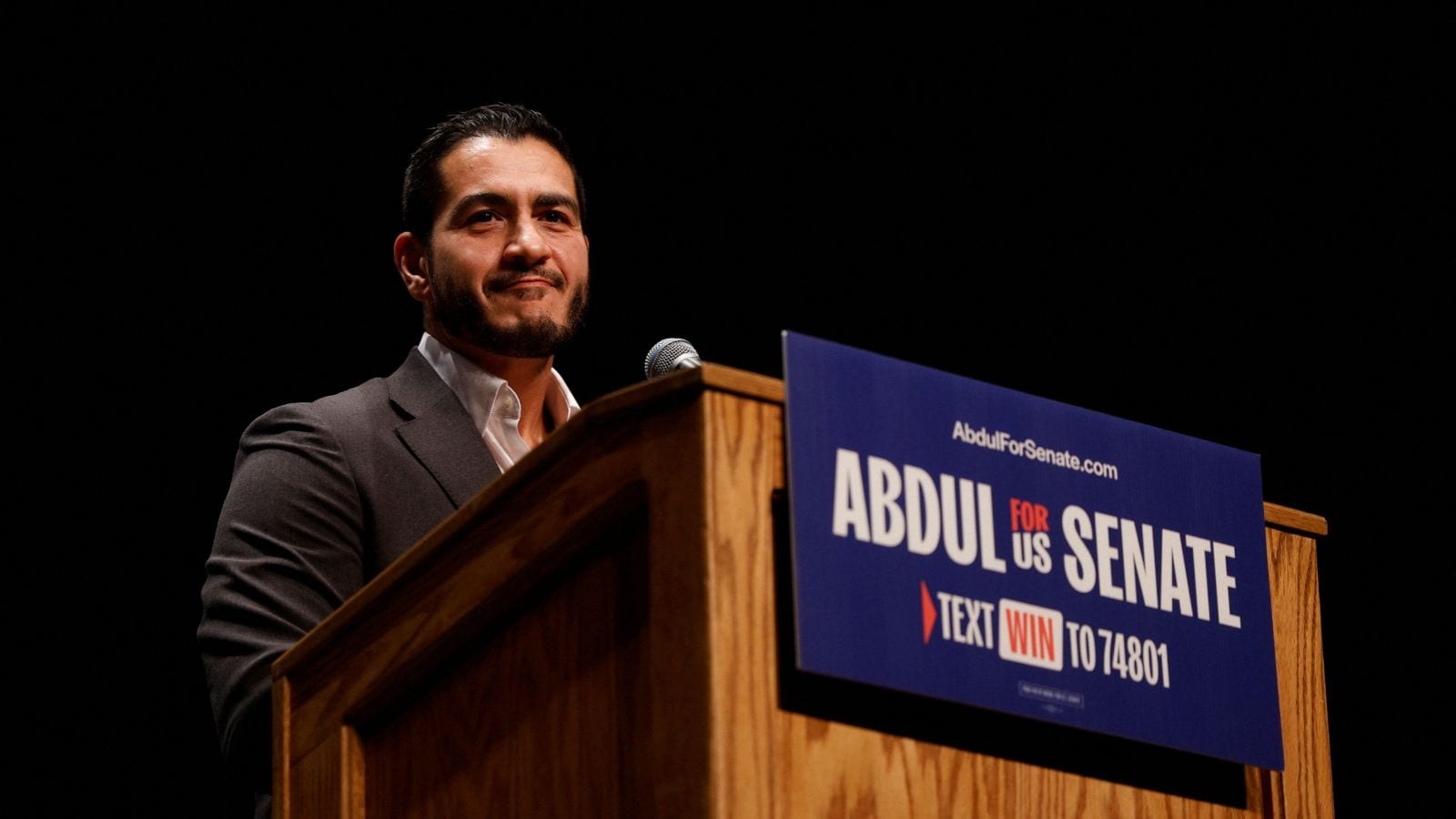
History isn’t made quietly in the dead of night. It usually arrives after a grueling, mud-slinging brawl, and that's precisely how Abdul El-Sayed secured his place in the history books.
Defeating Republican Mike Rogers in a fiercely contested showdown, El-Sayed didn't just capture an open Senate seat left vacant by retiring Democrat Gary Peters. He shattered a ceiling that has stood for the entirety of American political history, officially becoming the first Muslim U.S. senator ever elected. If you've been paying attention to how political landscapes shift under pressure, this outcome offers a masterclass in modern campaigning against the odds.
Breaking Down the Michigan Senate Upset
The path to this victory was anything but straightforward. Long before election night, political pundits wrote off progressive insurgents running in traditional swing states. El-Sayed faced an uphill battle from every imaginable angle. Beyond the standard friction of a high-stakes midterm cycle, his campaign weathered intense external pressure, including heavy financial opposition during the primaries and aggressive, targeted attacks on his faith from conservative opponents.
Yet, the strategy worked because it leaned hard into grassroots mobilization rather than corporate pandering. El-Sayed, a former public health official and physician, leaned heavily on his background to connect kitchen-table issues with systemic policy failures. Instead of retreating when opponents tried to frame him as an outsider, he turned his identity into a testament of resilience.
Where the Numbers Tell the Real Story
If you look closely at the demographic breakdown, the secret to El-Sayed's win becomes crystal clear. This wasn't a narrow squeaker driven by party loyalty alone; it was a coalition built on distinct generational and geographic shifts.
Younger voters turned out in droves. Polls and exit data showed El-Sayed capturing massive margins among voters under thirty, alongside solid performance numbers among thirty-somethings. Metropolitan Detroit served as a powerhouse base, but his campaign successfully bled into university-educated suburbs that historically leaned right or stayed independent.
When independent voters began breaking away from Rogers in the final weeks, the writing was on the wall. Disillusionment with national economic strain—coupled with fierce backlash against foreign policy missteps and relentless partisan vitriol—created an opening. El-Sayed walked right through it.
What This Means for the Senate Balance
Beyond the historic milestone of electing the first Muslim senator, this race had massive national implications for the balance of power in Washington. With the upper chamber locked in a high-stakes chess match, holding Michigan was non-negotiable for the Democrats.
Losing this seat would have crippled progressive momentum heading into the legislative sessions. Instead, El-Sayed's victory acts as a psychological and numerical boost, reinforcing the party's standing while signaling to the national committee that populist, progressive health-care-focused messaging can still win the Rust Belt.
The Takeaway for Future Campaigns
Political veterans love to claim that candidates need to sand down their edges to appeal to the mythical median voter. El-Sayed did the exact opposite. He ran as an unapologetic progressive with a clear public health framework, faced millions in opposition spending, and stared down ugly rhetoric without blinking.
As the dust settles in Lansing and Detroit, the lesson for future cycles is blunt: authenticity moves numbers, and tired playbook politics are officially losing their grip on an electorate tired of empty promises.