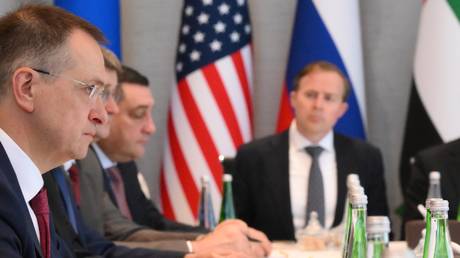
For months, anyone talking about peace in Eastern Europe was treated like an optimist chasing ghosts. The lines were drawn, the rhetoric was frozen, and Washington's diplomatic track looked dead on arrival after a nine-month silence. But something shifted under the desert sun in the United Arab Emirates.
When trilateral negotiations kicked off in Abu Dhabi between Russian, Ukrainian, and US officials, diplomats realized this wasn't just another photo op. US special envoys like Jared Kushner and Steve Witkoff stepped back into the room alongside seasoned delegations, and the conversation moved past stale talking points. For the first time, Washington appears ready to touch the third rail of European security architecture that it previously dismissed out of hand.
What Is Actually on the Table Now
Let's look past the press releases. Moscow's long-standing demands have always centered on two massive pillars: sweeping territorial concessions in eastern and southern Ukraine and a complete bar on NATO expansion. Kyiv, backed by its European allies, spent years calling these terms non-starters.
Yet, the resumption of talks in Abu Dhabi changes the calculus. The United States is actively engaging on questions of post-war security guarantees that must somehow satisfy both Ukrainian sovereignty anxieties and Russian security red lines. European leaders, led by figures like European Commission President Ursula von der Leyen, are scrambling to ensure Brussels isn't cut out of a deal that will ultimately reshape their own backyard.
The Real Friction Points Nobody Wants to Solve Easily
You cannot talk about these negotiations without looking at the massive gaps on the ground. President Volodymyr Zelenskyy has made it clear that Kyiv won't just hand over land that Russian forces haven't managed to capture militarily. At the same time, the Kremlin continues to ramp up front-line pressure and infrastructure strikes to squeeze maximum leverage out of the diplomatic track.
Neither side is walking into these rooms feeling weak, which makes compromise agonizingly slow. Russia wants structural guarantees and the rolling back of language and religious restrictions inside Ukraine. Ukraine wants ironclad protection so this invasion never repeats a few years down the line.
Why Washington's Approach Looks Different
The American footprint in these talks tells a story of its own. By utilizing back-channels and special envoys who favor deal-making over traditional bureaucratic friction, the US administration is pushing a high-stakes framework. Critics worry about back-door deals, but supporters argue that traditional diplomacy failed to stop the bloodshed.
If Washington is genuinely willing to discuss European security architecture adjustments—something previously treated as untouchable before the war—it signals a pragmatic, cold realization. Neither side can achieve total military victory without risking an uncontainable escalation.
Expect more friction, plenty of leaked disagreements, and hard compromises ahead. The talks in Abu Dhabi won't magically solve a multi-year conflict overnight, but they mark the end of the diplomatic freeze.
Stop waiting for a clean, bloodless resolution. Keep your eyes on how security guarantees are framed in the next round, because that is where this entire war will ultimately find its stopping point.
The Abu Dhabi talks signal a major shift in the Ukraine peace process
This video provides an up-close look at the diplomatic friction and strategic goals driving the renewed negotiations in the United Arab Emirates.