State dinners are never just about food. When high-stakes diplomacy happens behind closed doors, every single bite on the plate carries a message.
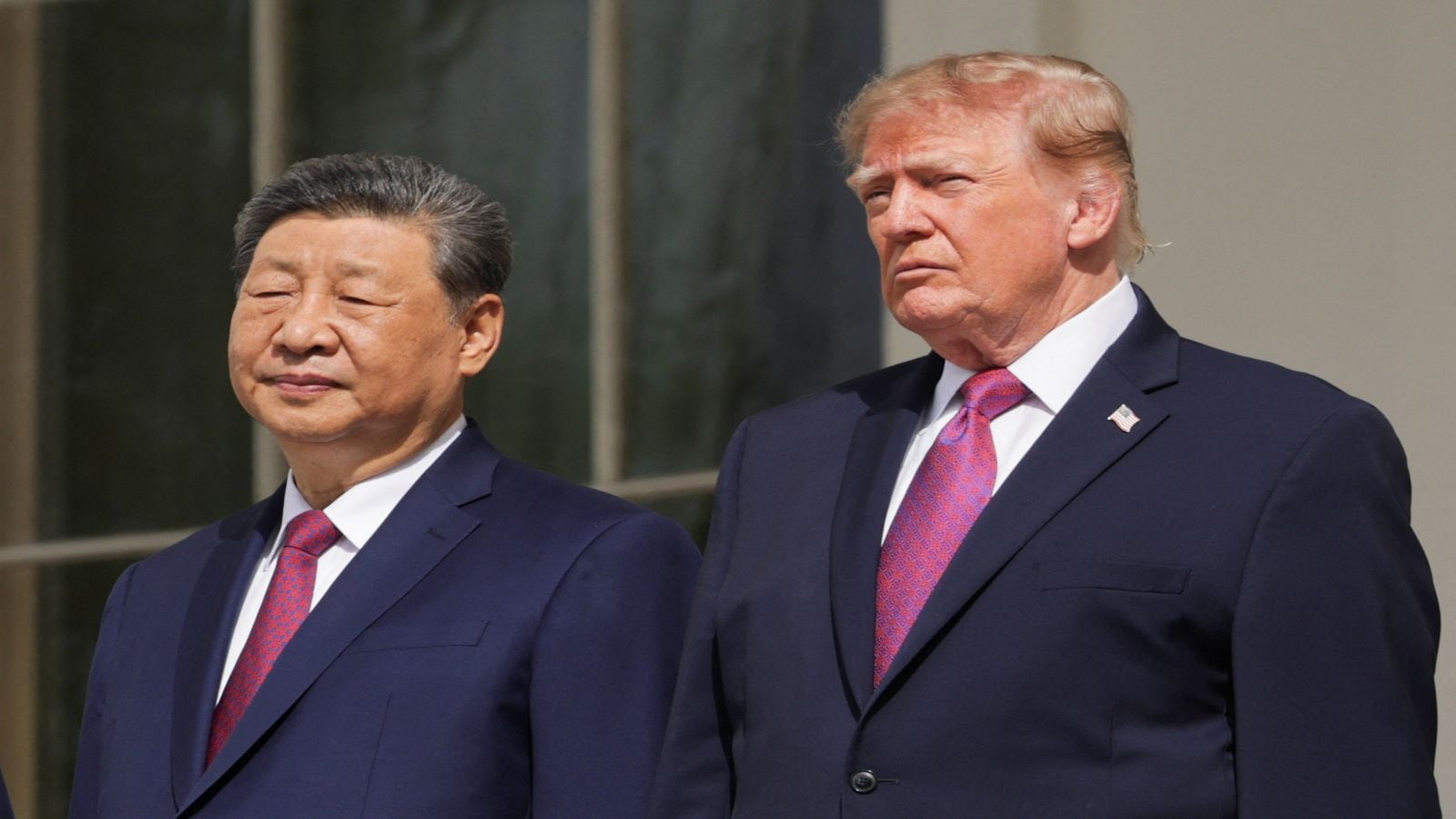
When President Donald Trump and First Lady Melania Trump hosted Chinese President Xi Jinping for a major state visit, the White House didn't just serve dinner—they served a masterclass in culinary diplomacy. The menu was designed to bridge two massive superpowers through a careful combination of American ingredients and subtle Chinese influences.
If you want to understand how modern soft power works over a plate of food, you have to look at the details.
The Historic Toast That Started It All
The evening began with a nod to history. Guests raised glasses of Schramsberg “Blanc De Noir,” a California sparkling wine. This wasn't a random choice. It directly honored the historic "Toast to Peace" shared by President Richard Nixon and Premier Zhou Enlai in Beijing back in 1972.
By pouring that specific wine, the White House invoked the legacy of the original opening of diplomatic channels. It set a tone before anyone even tasted the first course.
Inside the Three-Course Menu
The meal itself skipped heavy, overly complicated clichés and opted for a refined three-course structure. Every plate bridged Western techniques with Asian flavor profiles.
- First Course: The meal opened with a yellow squash velouté, paired with a wild mushroom fricassee and crispy pancetta. What made it cross cultures? A precise finishing drizzle of scallion oil, bringing a subtle allium brightness that ties directly into Chinese comfort cooking.
- Second Course: The main dish featured a sesame-crusted sea bass. Toasting sesame seeds creates a deeply nutty crust while locking in moisture for the fish. It was served alongside braised baby bok choy and roasted garden eggplant, finished with a bright garden herb sauce verte.
- Dessert: The finale featured a vanilla crémeux and honey ice cream sourced directly from beehives on the White House grounds. It sat on a rich walnut frangipane with a sour cherry confit center, balancing sweetness with tart fruit notes.
The Visual Language of Red
Food was only half the strategy. The White House East Room underwent a distinct visual transformation for the evening.
Tables wore rich red linens and burst with overflowing urns of red blossoms, including dahlias and ranunculus. In Chinese culture, red carries immense significance representing fortune, warmth, and celebration. Mixing those elements with historic vermeil pieces from the White House collection and the Reagan State Service created an aesthetic bridge between East and West.
Even the entertainment leaned into traditional grandeur, featuring a performance by classically trained tenor Christopher Macchio.
Diplomacy is exhausting work. But when done right, a well-crafted dinner reminds leaders across the table that they share more than geopolitical tension—they share a meal.