A tube of lipstick or a bright headscarf shouldn't be a criminal offense. But in Afghanistan right now, everyday fashion choices are landing women behind bars.
The United Nations Assistance Mission in Afghanistan (UNAMA) released figures showing that at least 52 women and one girl were detained or arrested in cities like Kabul and Herat over a three-month period. The charges? Breaking strict dress code rules enforced by the de facto authorities.
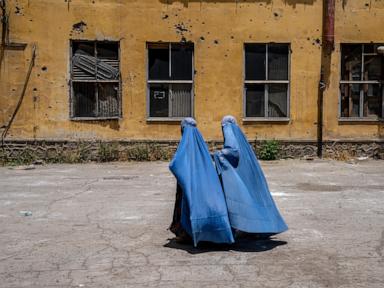
If you think these rules only apply to full facial coverings, you're missing the broader picture. Women are being hauled away for having visible hair, wearing colorful scarves, putting on makeup, or stepping outside without a male guardian, known as a mahram.
Behind the Numbers of the Latest Crackdown
Most of the detained women were released after spending several hours locked up. That sounds brief, but the psychological and social fallout doesn't end when the jail doors open.
UNAMA points out that these detentions expose women to severe social stigma and intense marginalization. In a society where rumors spread fast and honor codes are weaponized, just being taken by the morality police leaves a permanent mark.
And those 52 documented cases? They're just the tip of the iceberg.
Fear keeps thousands of families silent. When victims worry that reporting an incident will bring worse retaliation or ruin their reputation entirely, they keep quiet. Human rights monitors know the real frequency of these arrests is much higher than what official logs show.
The Shrinking Space for Daily Life
Since the Taliban seized control in August 2021, public life for women has vanished piece by piece. Girls were banned from secondary education. Women were pushed out of most professional jobs. Now, even the way a woman walks down the street or decorates her face is heavily policed.
The enforcement is carried out by the Ministry for the Propagation of Virtue and the Prevention of Vice. Patrols stop women at checkpoints, inspect their clothing, and scrutinize their appearance.
Reports from international observers highlight a grim pattern:
- Women questioned for wearing clothing deemed too bright or expressive.
- Female shopkeepers facing verbal abuse, threats, and occasional physical beatings.
- Families penalized if a woman travels short distances without a male chaperone.
International bodies like the UN continue to demand that Afghan authorities scrap these discriminatory policies. They argue that these actions violate basic international human rights standards regarding freedom of movement, personal autonomy, and expression. Yet, the leadership in Kabul shows zero sign of backing down, doubling down on its strict interpretation of Shariah law.
What This Means Moving Forward
You can't look at these dress code arrests in isolation. They are part of a systematic campaign to erase women from public spaces entirely.
When a society makes basic self-expression illegal, everyday survival turns into an act of resistance. Humanitarian organizations warn that as long as these restrictions tighten, the mental health crisis among Afghan women will worsen, isolating an entire generation from the rest of the world.