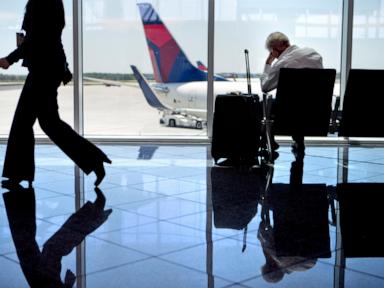
Software code decides whether you make Thanksgiving dinner or spend the night sleeping on a plastic airport chair.
Delta Air Lines recently discovered this the hard way when a critical glitch in its weight and balance automation system triggered widespread delays and ground stops at Hartsfield-Jackson Atlanta International Airport. Thousands of passengers found their travel plans upended. Recently making waves in related news: Why Russia’s Northern Sea Route Isn’t Replacing Suez Anytime Soon.
If you travel often, this script feels familiar. A major carrier relies heavily on backend software to crunch takeoff calculations, a line of code breaks, and the entire hub grinds to a halt. It makes you wonder how an industry moving millions of people daily remains so vulnerable to single points of failure.
The Hidden Mechanics of Weight and Balance Calculations
Most travelers assume flight delays are driven exclusively by severe weather or crowded air traffic control towers. But complex behind-the-scenes algorithms dictate operations long before a plane pushes back from the gate. Additional insights regarding the matter are detailed by Bloomberg.
The core issue in Atlanta centered on weight and balance automation. Every commercial aircraft requires precise mathematical modeling for every flight. Dispatchers must calculate the total weight of the airframe, fuel load, passenger baggage distribution, and cargo placement. If the numbers skew by even a fraction, aircraft performance, runway requirements, and fuel burn change dramatically.
When the automated system handling these calculations crashed, Delta dispatchers had to pivot instantly. They reverted to manual workarounds to safely get flights off the ground. Manual processing takes precious time. Instead of automated calculations happening in seconds, agents and load planners were forced to verify numbers by hand. That administrative bottleneck ripples outward instantly.
An incoming flight cannot depart its origin airport if gate space in Atlanta is plugged up with stranded aircraft waiting for weight clearances. The domino effect spreads across the national airspace network within hours.
Why Legacy Tech Strains Under Modern Travel Volumes
Aviation infrastructure operates on an uncomfortable paradox. Airlines spend billions of dollars marketing sleek cabin interiors, personalized seatback entertainment, and loyalty perks. Yet, their operational backbones often run on brittle legacy software frameworks.
When peak travel periods arrive—such as the massive Thanksgiving rush—transaction volumes surge. Databases experience unprecedented concurrency loads. If an application architecture hasn't been engineered for elastic scaling, a minor memory leak or unexpected data packet can crash the processing pipeline.
Airlines aren't software companies. They license enterprise resource planning and operations software from third-party vendors or build custom patches on top of aging monolithic systems. Over decades, these systems become dense webs of interconnected dependencies. When one foundational module fails, isolation protocols frequently fail to contain the damage.
How to Protect Your Itinerary When Tech Fails
You cannot control when an airline's servers decide to crash. You can, however, change how you navigate the fallout. Frequent flyers know that modern airline disruptions punish rigid schedules.
Book the first flight of the day whenever possible. Morning departures routinely fly out before technical glitches or air traffic delays compound across the network. If an afternoon system outage hits, morning flights have already landed safely.
Keep airline apps updated on your smartphone and enable push notifications. When automated ground stops occur, gate agents face massive lines of frustrated travelers demanding immediate assistance. Rebooking through the carrier's mobile application often places you decades ahead of the airport queue.
Monitor airport lounge access or credit card travel protections. When systems fail and overnight hotel vouchers run scarce, having independent travel disruption insurance or premium card perks changes a stressful delay into a manageable inconvenience.
Airlines will continue upgrading their digital infrastructure, but software bugs remain an inevitable reality of modern aviation. Staying flexible is your best defense against code that refuses to cooperate.