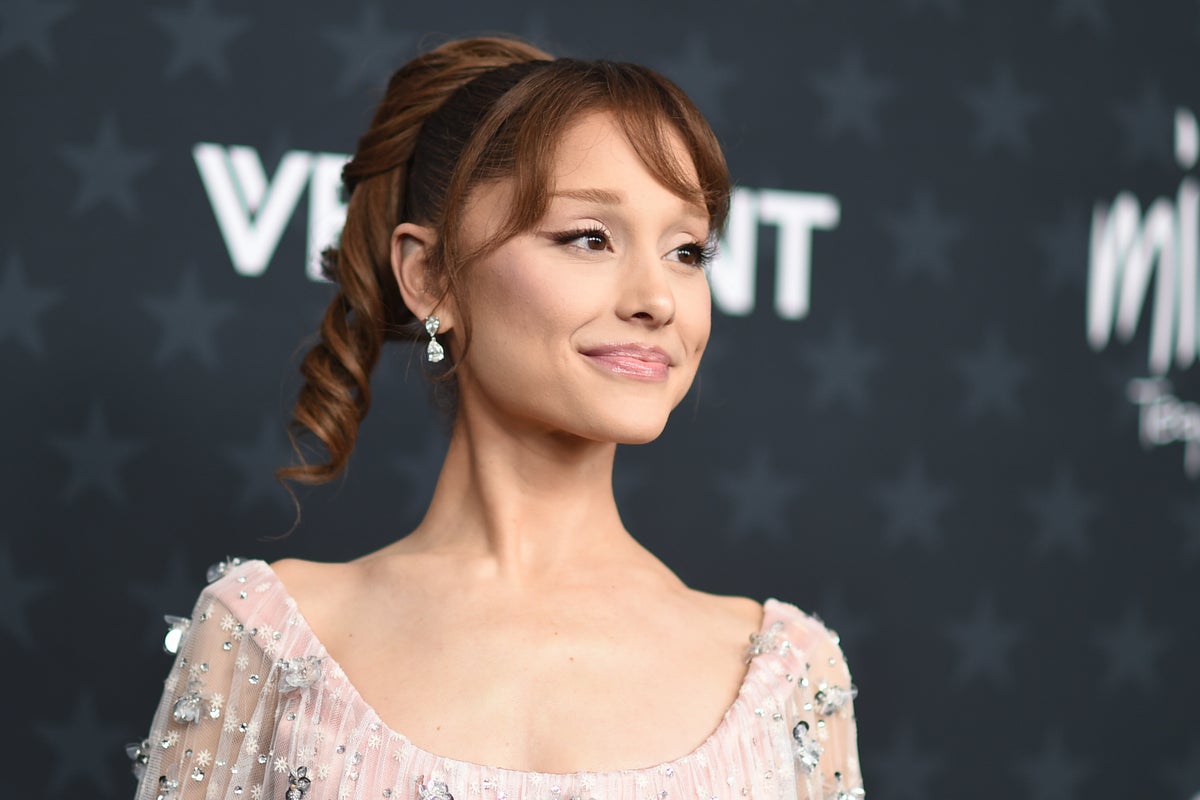
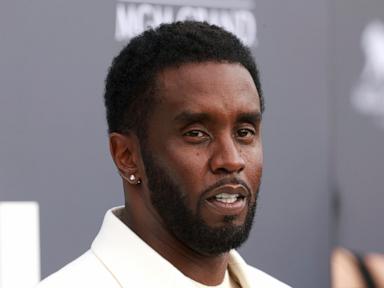
Alan Ritchson isn't playing by standard Hollywood public relations rules. Most action stars hit their mark, promote their latest streaming blockbuster, and smile for red-carpet cameras. They avoid political landmines at all costs. Ritchson decided to take a sledgehammer to that playbook.
When the Reacher star took direct aim at Donald Trump over his connection to Jeffrey Epstein and his standing among Christian voters, the internet exploded. Critics warned him he was ruining his career. Conservatives called for boycotts of his hit Amazon Prime series. Progressively minded viewers rallied behind his candor.
He didn't back off. He doubled down.
To understand why a towering, muscle-bound star at the height of his fame would willingly step into America's fiercest political firefight, you have to look beyond the surface headlines. This isn't just another celebrity sounding off on social media. It's a calculated, deeply personal stance rooted in faith, moral accountability, and a complete refusal to be quieted.
The Outspoken Faith of Hollywood Action Hero Alan Ritchson
Hollywood usually expects devout Christian actors to stay in niche faith-based productions or maintain a soft, non-confrontational presence. Ritchson flipped that expectation entirely.
He speaks openly about his Christian beliefs. He runs a YouTube channel called InstaChurch, where he openly discusses mental health, faith struggles, and morality. Yet his faith doesn't align with traditional political conservatism. That disconnect is where the friction starts.
When Ritchson publicly slammed Trump, calling him a "con man" and calling out the Christian establishment for worshiping him, the reaction was instant. He didn't mask his words in diplomatic jargon. He attacked the hypocrisy directly.
"Trump is a rapist and a con man, and yet the entire Christian church seems to treat him like he's their poster child," Ritchson stated in a widely discussed Hollywood Reporter profile. "I don't understand it."
He didn't stop at political figures either. In the same interview, he turned his sights on systemic corruption within religious institutions, questioning how systemic abuse gets swept under the rug while moral authority is claimed.
For Ritchson, calling out powerful figures—whether political candidates or church leaders—is not a betrayal of his faith. It's the execution of it.
Why the Epstein Files Triggered a Explosive Clash
The persistent mystery surrounding Jeffrey Epstein's network remains one of the most volatile topics in modern American politics. Whenever flight logs, court records, or unsealed documents hit the news, political factions scramble to point fingers at their opponents.
Trump's past association with Epstein during the 1990s and early 2000s has long been a flashpoint. While Trump has repeatedly distanced himself from Epstein, claiming they fell out decades ago, high-profile critics like Ritchson point to the lack of complete transparency as unacceptable.
The anger from commentators wasn't just about partisan politics. It was about the perceived cover-up.
When celebrities comment on the Epstein files, they usually stick to vague platitudes about justice for victims. Ritchson broke protocol by tying the lack of accountability directly to elite privilege. He argued that powerful men are protected by systems designed to insulate them from real consequences.
That level of direct confrontation angered many fans who view Reacher as a sanctuary from real-world political drama.
The MAGA Backlash and the Boycott Machine
In today's media climate, calling out Donald Trump comes with immediate financial and reputational consequences. Right-wing media outlets immediately picked up Ritchson's comments.
Prominent online figures and outlets like Breitbart labeled his remarks reckless. Social media feeds filled with calls to cancel Amazon Prime subscriptions and boycott future seasons of Reacher.
The narrative was familiar. Stick to acting. Stop preaching to your audience. Keep politics out of entertainment.
Here is what critics missed about Ritchson:
- He doesn't rely on studio approval to speak. His rise was slow, fought for over two decades through small TV roles, modeling, and steady grind.
- He knows his core audience. He understands that a huge chunk of Reacher viewers hold conservative values, but he refuses to pander to them at the expense of his own convictions.
- He openly embraces the risk. He has repeatedly acknowledged that taking these stances could hurt his career, yet he refuses to censor his beliefs for a paycheck.
The boycott threats largely fizzled out. Reacher remains one of the most-watched shows on streaming, proving once again that internet outrage rarely translates into real-world viewing habits. People want good entertainment, even if they disagree with the actor leading the show.
Deconstructing the Myth of the Silent Action Star
For decades, action movie icons followed a strict formula. Sylvester Stallone, Arnold Schwarzenegger, and Tom Cruise built global careers by keeping their personal opinions guarded or aligned with broad patriotic themes. They played mysterious, stoic men who fought the bad guys and avoided controversial social debates.
Ritchson represents a total shift in how modern stars operate.
He talks openly about his diagnosis with bipolar disorder. He discusses his struggles with suicidal thoughts, his experiences with sexual abuse in the modeling industry, and his intense religious journey.
When an actor is already that transparent about his personal trauma, threatening to "expose" or "cancel" him loses all power. You can't threaten a guy with transparency when he's already laid all his cards on the table.
This raw honesty is precisely why his criticism of Trump resonated so deeply with his supporters, even as it infuriated his detractors. He wasn't speaking from an ivory tower or following a publicist's script. He was speaking as someone who genuinely believes the culture is failing its moral duties.
The Complex Relationship Between Hollywood and Political Accountability
Why does any of this matter beyond daily entertainment news? Because celebrity platforms carry immense weight in public discourse.
When a celebrity slams a politician, the reaction usually falls along predictable party lines. Left-leaning actors attack Republicans; right-leaning actors attack Democrats. It feels performative.
Ritchson's situation is different because he doesn't fit neatly into either political camp. He isn't a Hollywood liberal toeing the party line. He's a conservative Christian who refuses to give a pass to leaders he views as morally bankrupt.
That independence makes his critique far more damaging to the figures he targets. It breaks the standard binary narrative.
| Key Aspect | Standard Hollywood Celebrity | Alan Ritchson's Approach |
|---|---|---|
| Faith Presentation | Avoided or kept private | Central to his public identity and moral framework |
| Political Commentary | Carefully polished by PR teams | Raw, direct, and unscripted |
| Handling Backlash | Apologizes or goes quiet | Stands firm and expands on his reasoning |
| Public Transparency | Curated image of perfection | Open about mental health, trauma, and personal flaws |
When someone steps outside their expected political box, it forces people to actually listen rather than instantly tuning out.
How Audience Expectations Are Changing in 2026
We live in an era where audiences demand authenticity, yet punish anyone who steps outside accepted groupthink. It's a massive contradiction.
Viewers claim they want real stars who express genuine thoughts. But the moment a star expresses a thought that conflicts with a fan's personal worldview, the fan feels betrayed.
This dynamic is especially acute for action stars. Fans project their fantasies onto characters like Jack Reacher—a quiet, powerful wanderer who rights wrongs without red tape. When the actor playing that character turns out to have complex, vocal political views in real life, it shatters the fantasy for some viewers.
Ritchson doesn't care about preserving that illusion. He views his platform as a responsibility, not a popularity contest.
How to Evaluate Celebrity Statements in Modern Media
Navigating the constant outrage cycle around celebrity political statements requires a critical lens. Next time a high-profile star sparks an online media firestorm, keep these analytical steps in mind:
- Separate the character from the actor. Remember that an actor's job is performance. Their personal convictions are entirely separate from the fictional roles they portray.
- Look for consistency. Is the star speaking up because it's trendy, or do their statements align with a long-documented personal philosophy? Ritchson's statements reflect years of consistent commentary on faith and accountability.
- Examine the venue. Spontaneous interview answers often reveal far more truth than prepared social media statements crafted by public relations firms.
- Ignore the outrage amplification. Media outlets profit off outrage clicks. The real impact of a celebrity statement is rarely as apocalyptic as headline writers claim.
Alan Ritchson made his stance clear, faced the immediate firestorm, and kept right on working. Whether you agree with his political assessment or hate it, one thing is undeniable: he isn't going to let anyone dictate what he can and cannot say.