You pack up boxes containing 196,000 signatures, haul them to Elections Alberta, and think you’ve finally forced the government to listen. Then, bureaucrats use a statistical sampling formula to throw out thousands of names, leaving you just short of the finish line.
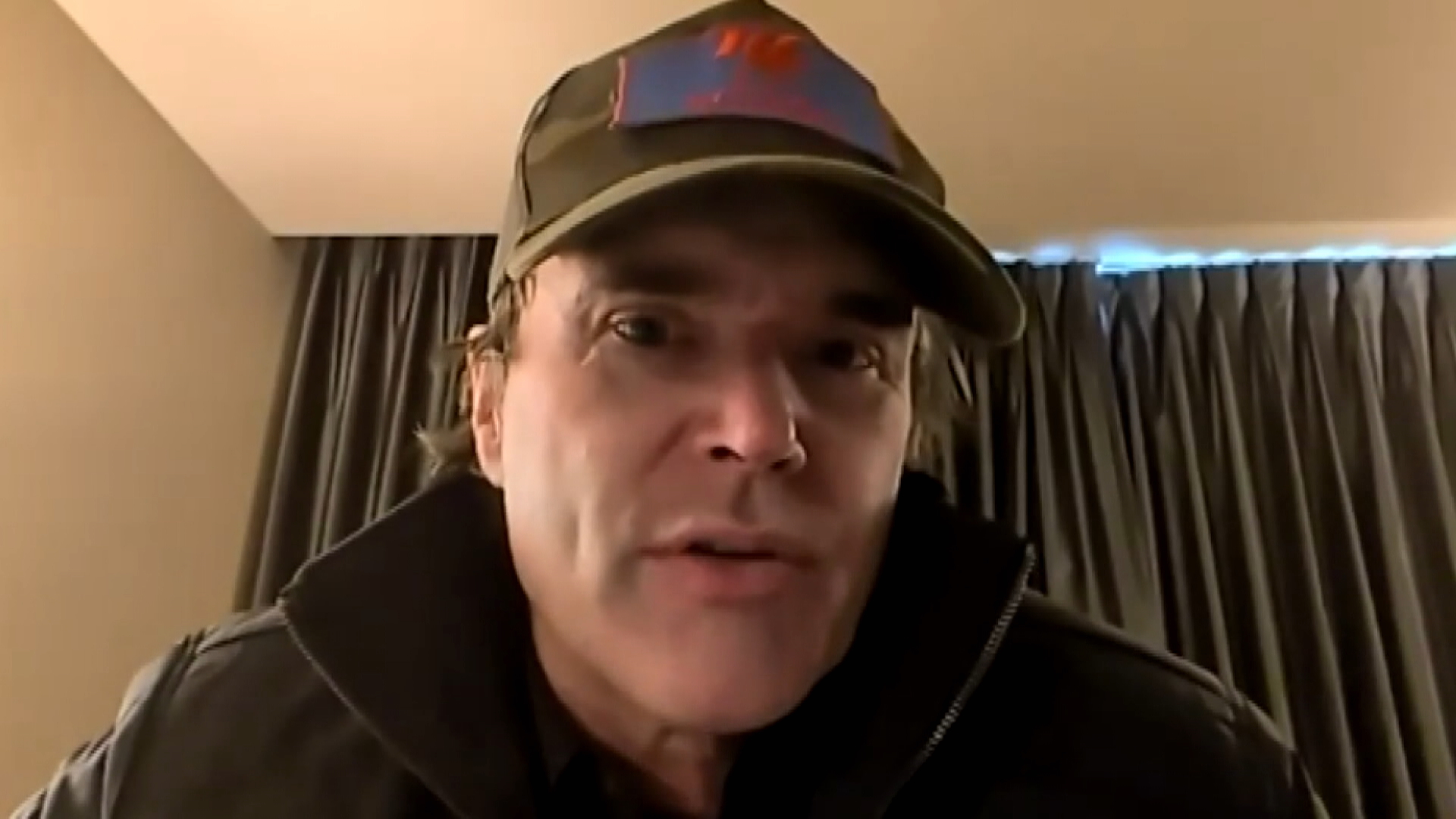
That’s exactly what happened to Alberta country musician and rancher Corb Lund and his grassroots group, Water Not Coal.
Elections Alberta officially rejected the massive citizen initiative petition aimed at banning new open-pit coal mining along the eastern slopes of the Rocky Mountains. On paper, the campaign smashed the required threshold of 177,732 signatures, representing 10 per cent of eligible voters from the last provincial election. Yet, after the government’s verification and validation grinder finished turning, only 172,088 signatures stood.
It's a brutal blow for a movement that united ranchers, environmentalists, and urbanites. But if you think Lund and his supporters are packing it in, you don't know rural Albertans. The group is already hunting for legal options to challenge the decision, and this fight is shifting from the steps of the legislature to the courtroom.
The Technical Trap That Killed 24,000 Signatures
To understand why people are furious, you have to look at how the petition died. It wasn't because Albertans didn't care. It was because the system is designed to be a bureaucratic minefield.
Elections Alberta used a two-phase process to shred the list. First came validation, where government workers threw out sheets for technical flaws. Think double signatures, messy handwriting, missing dates, or tiny mistakes made by volunteer canvassers filling out witness declarations.
Then came the verification phase. The agency used random statistical sampling to contact a portion of the signatories. If someone didn't answer their phone, had moved, or simply refused to verify their information to a random government caller, their voice was erased.
Lund didn't hide his disgust, releasing a statement calling the whole ordeal an opaque, unreasonable process. He submitted what his team counted as over 205,000 signatures and ended up shocked when 35,000 names vanished into the bureaucratic ether.
This wasn’t the first time the goalposts moved, either. Last year, the provincial government tweaked electoral legislation midway through the campaign. That stunt quashed Lund’s original application and forced his army of volunteers to reapply and start gathering signatures all over again from scratch.
Headwaters and Heavy Industry
The real issue here isn't paperwork. It's the water that feeds the western provinces.
The Water Not Coal petition specifically targeted projects like Northback’s Grassy Mountain proposal in Crowsnest Pass and Valory Resources’ Blackstone project in Clearwater County. The fear among locals isn't abstract. Open-pit coal mining in the Rocky Mountains threatens the headwaters of major river systems.
Ranchers rely on that water for cattle. Cities rely on it for drinking.
The biggest villain in this story is selenium. It’s a toxic heavy metal that leaches out of coal waste rocks when it rains. Once selenium hits the streams, it builds up in the food chain, causing horrific deformities in fish and poisoning wildlife downstream. You can’t easily filter it out, and you can’t undo the damage once a watershed is contaminated.
The provincial government tried to cool the anger. Premier Danielle Smith’s office released a statement claiming they are finalizing a new coal development policy to protect water and land while preserving jobs. The province says future projects in the Eastern Slopes must use modern underground mining techniques to isolate selenium, alongside a total ban on new open-pit mines.
But for landowners who live at the base of these mountains, promises from political offices don’t hold much weight. Underground mining still disturbs land, creates waste, and risks the water table.
What Happens When Direct Democracy Fails
Alberta’s Citizen’s Initiative Act was sold to the public as a tool for regular people to bypass political roadblocks and force binding referendums. In reality, it has proven to be an impossible hurdle.
Even if Lund’s petition had survived the signature audit, Premier Smith had already announced it wouldn’t make it onto the upcoming Alberta referendum ballot anyway, claiming there wasn’t enough time to process it.
When the official channels of direct democracy are this thoroughly gummed up with red tape, it leaves citizens with very few places to turn. That’s why Water Not Coal is pivoting to legal strategy.
Challenging an Elections Alberta decision in court is an uphill battle, but it puts the government’s opaque validation methods under a judicial microscope. Activists are also looking at direct legal challenges against individual mining exploration permits, using environmental protection laws and water rights as leverage.
The Next Steps for the Coal Movement
The petition is dead, but the underlying anger hasn't faded. If you want to keep tabs on this fight or get involved, the landscape has shifted to a few key areas.
First, watch the courts. Water Not Coal will likely file for a judicial review of the statistical sampling methods used by Elections Alberta.
Second, the financial reporting deadline for this petition drive lands on August 10. Organizers have to lay bare every dollar spent, which will give a clear picture of the financial muscle backing the grassroots side of this fight compared to the deep pockets of foreign mining companies.
Third, look at the local level. Municipalities in southern Alberta remain deeply divided. While some local councils look at coal projects and see dollar signs and coal jobs, the people living next to the rivers see an existential threat to their way of life.
The provincial government thinks rejecting this petition puts the issue to bed. They're wrong. It just changed the venue.