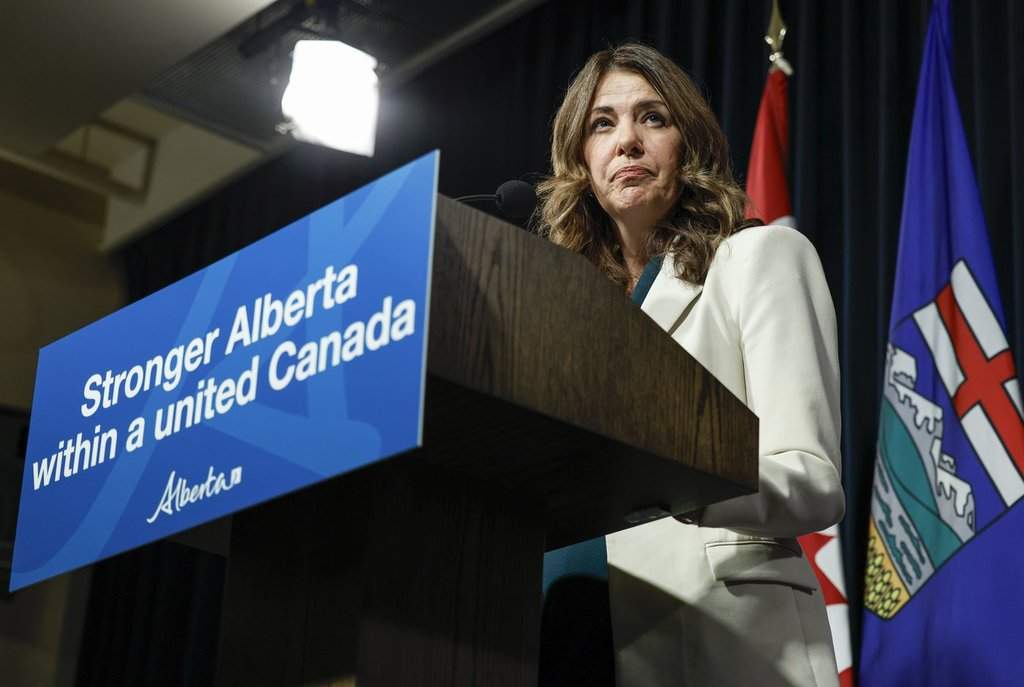
Alberta just picked another constitutional fight with Ottawa, and this time it's over religious speech and hate crime law. On November 24, 2026, Premier Danielle Smith and Justice Minister Mickey Amery announced plans to introduce a motion under the Alberta Sovereignty within a United Canada Act targeting Ottawa's Combatting Hate Act (Bill C-9), which became federal law in June 2026 after receiving Royal Assent on June 18.
Here is the blunt truth about what's happening. A Sovereignty Act motion in the legislature doesn't magically erase a federal Criminal Code statute. Under Canadian constitutional law, criminal law belongs to Parliament. Still, Edmonton's pushback matters because it signals a sharp clash over religious expression, prosecutorial priorities, and how far a province can go to resist federal rules on the ground.
What Changed Under Federal Hate Crime Law
People keep asking whether reading a sermon or quoting scripture suddenly became a crime in Canada. Short answer: Ottawa says no, and the text of the law aims to narrow charges to intentional promotion of hatred or antisemitism, while adding a statutory definition of hatred that excludes speech meant only to offend, hurt, or discredit.
Yet the controversy didn't come out of nowhere. Critics and faith groups zeroed in on the removal of the long-standing Criminal Code defence covering religious beliefs or opinions expressed in good faith. When that explicit carve-out disappears, faith leaders worry about ambiguity. Even if prosecutors rarely win hate speech convictions—because the legal threshold in Canada has historically been high—a police investigation or threat of charges can still make clergy and congregants pull back.
Bill C-9 also went well beyond traditional hate propaganda rules. According to the Department of Justice, the law introduced or expanded criminal measures targeting intimidation and obstruction around religious or cultural sites—such as blocking doors, driveways, or access routes to places of worship—and banned the public display of certain terrorism-linked symbols, Nazi symbols, or a noose when done wilfully to promote hatred against an identifiable group, with exceptions for educational, journalistic, or artistic purposes.
That mix explains why the debate gets heated so fast. Supporters see clear guardrails against rising antisemitism, Islamophobia, homophobia, and transphobia, plus practical protection for people trying to enter a synagogue, mosque, church, temple, or gurdwara. Opponents see an overbroad federal hand reaching into sensitive moral and theological territory.
Why Alberta Is Using the Sovereignty Act Here
Smith framed the move around protecting pastors, imams, and rabbis from getting "hauled off to jail," arguing that removing the good-faith religious defence creates a chilling effect. Amery echoed that concern, saying uncertainty around religious expression risks deterring lawful speech while insisting that violence, threats, and genuine criminal hatred have no place in Alberta and will still be prosecuted.
In practice, Alberta isn't starting from zero on this file. Before bringing the Sovereignty Act motion forward, the provincial government already signaled to police and Crown prosecutors that hate crimes shouldn't be treated as a top priority. That is a big deal in Canada's justice system. Even though the Criminal Code is federal, provinces administer justice and oversee Crown prosecution services day to day.
At the same time, let's be honest about what a Sovereignty Act motion actually does. It's a legislative tool for expressing constitutional objections and directing provincial entities or ministers on how to respond—not a court ruling striking down federal law. Earlier uses of the act against federal clean electricity rules, oil and gas emissions caps, and firearms policies show the same playbook: apply political and administrative pressure, contest federal overreach, and keep friction alive between Edmonton and Ottawa.
Where Federal Authority and Provincial Pushback Collide
Watch the gap between slogans and legal reality. Ottawa writes the Criminal Code, and federal prosecutors or courts have the final word on whether a statute is constitutional under the Charter of Rights and Freedoms. A provincial motion cannot rewrite a federal offence.
What can shift is enforcement climate and public confidence. When a premier warns of a chilling effect on religious speech while a justice minister promises that violent acts and threats remain prosecutable, everyday citizens get mixed signals. Some faith members feel backed up by their government. Others—especially minority communities facing harassment or intimidation—worry that downplaying hate crime priorities makes reporting incidents feel pointless.
Legally speaking, the sovereignty act itself faces ongoing scrutiny in the courts, including challenges brought by Indigenous nations and constitutional scholars questioning its reach. Relying on a contested provincial statute to fight a federal criminal law is a high-stakes political strategy, more symbolic leverage than a clean legal shield.
What Most People Get Wrong About This Clash
One common mistake is treating this fight as a simple binary: either "freedom of speech" or "protecting communities from hate." Canadian law has always balanced Charter expression rights against limits on hate propaganda, threats, and public order. Pretending there is zero tension between those values misses why reasonable people argue over every wording change.
Another misconception is thinking a sermon or theological debate automatically crosses the line into criminal hate promotion. Courts have long set a steep bar for wilful promotion of hatred, requiring far more than harsh disagreement or unpopular traditional views. Still, legal experts know that process is punishment—getting investigated, questioned, or dragged into a dispute over wording can chill speech long before a judge ever rules.
Finally, don't assume Ottawa and Edmonton agree on the facts on the ground. Federal officials point to rising hate-motivated incidents across the country to justify tougher penalties on obstruction, intimidation, and hate symbols. Alberta's leadership argues that broad federal definitions and lost statutory defences invite overreach and distract from core violent and property crimes. Both sides pick the examples that fit their case.
Practical Next Steps If You Follow or Work on This Issue
If you're a faith leader, community organizer, legal observer, or engaged citizen trying to make sense of what happens next, skip the outrage loops and take a few concrete steps:
- Read the actual statute and Charter analysis, not just headlines. Check the Department of Justice summary of Bill C-9 and parliamentary records on LEGISinfo to see how "hatred," obstruction, and good-faith exceptions are framed rather than relying on secondhand summaries.
- Track the text of Alberta's legislative motion. Pay close attention to what the motion actually asks provincial ministers, police, or agencies to do once tabled, rather than assuming it alters the Criminal Code.
- Know the difference between speech, intimidation, and crime. If you lead a congregation, cultural centre, or advocacy group, get clear legal guidance on peaceful protest rules, access obstruction, and security reporting so you don't guess wrong under pressure.
- Watch provincial prosecution guidance. Because justice administration is provincial, any formal directives or policy shifts affecting Crown prosecutors and policing priorities in Alberta will have more real-world impact than speeches alone.