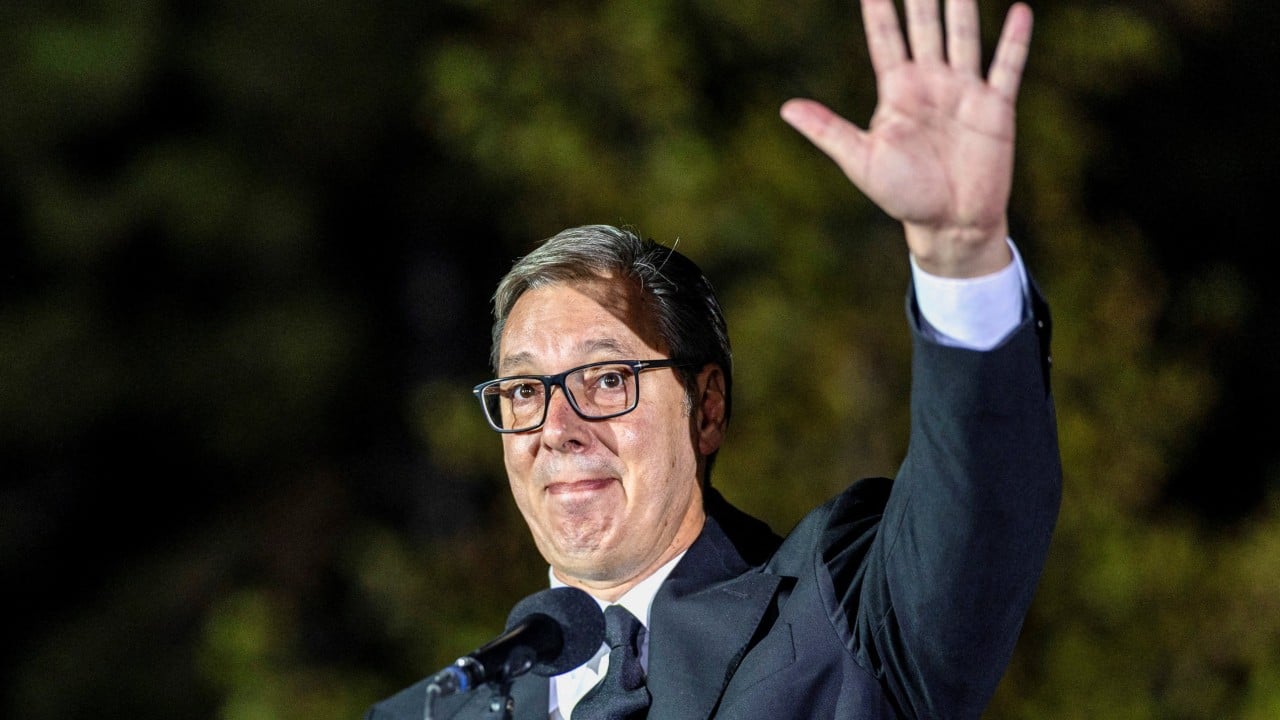
Power rarely surrenders willingly; sometimes, it just changes chairs. Aleksandar Vucic just threw Serbian politics into a tailspin by formally stepping down as president, setting the stage for a snap parliamentary election on October 25. If you've been watching Eastern European politics for a while, this move will look awfully familiar. It mirrors the classic political gymnastics once pulled by Vladimir Putin, allowing a dominant leader to sidestep constitutional term limits and retain absolute control from a different office.
Vucic has dominated Serbia's political landscape for over a decade, serving either as prime minister or president since 2014. Critics have spent years warning that his presidency was reaching a legal dead end, prompting this calculated pivot. By resigning now, he plans to lead his ruling party into the upcoming snap elections with sights firmly set on the prime minister's seat. Meanwhile, you can explore other events here: Why Importing Japanese Slimming Injections Into Hong Kong Is A Dangerous Gamble.
The Playbook Behind the Resignation
Why trade the presidency for the prime minister's office? In many parliamentary systems, real executive authority rests with the prime minister, especially when backed by a compliant legislative majority. Vucic's exit comes on the heels of nearly two years of grinding protests and mounting public pressure. Independent research bodies like BIRODI have repeatedly accused him of weaponizing state institutions and using his high-profile office to amplify his party's voice.
Yet, Vucic remains a master populist strategist. He's spent his tenure opening infrastructure projects, doling out financial aid, and touring local neighborhoods to keep his base energized. When he announced his resignation, he framed it as a grateful nod to the citizens who twice gave him their trust. But the opposition isn't buying the narrative of a humble public servant stepping aside for a breather. Human rights advocates and opposition groups argue that this maneuver is a transparent shell game designed to bypass term limits, neutralize democratic checks, and cement a long-term grip on state power. To explore the full picture, we recommend the excellent article by TIME.
What Comes Next for the Balkans
The upcoming October vote will test whether Vucic's populist appeal can weather persistent corruption allegations and domestic fatigue. Meanwhile, international watchers in Brussels and Moscow are paying close attention. Serbia sits in a delicate geopolitical balancing act, officially pursuing European Union membership while maintaining deep historic and economic ties to Russia.
If Vucic secures the prime minister's post, expect continuity rather than reform. State institutions will likely remain tightly managed, and opposition pushback will face a well-oiled political machine. The presidency will eventually head to its own separate vote in December, but everyone knows where the real center of gravity in Belgrade will remain.
Watch the vote counts on October 25 closely. They won't just decide a parliamentary majority; they'll prove whether the Putin-style office swap works just as well in the Balkans as it does in the Kremlin.