You are constantly handing over your personal power to other people. You do it when you stay silent in a meeting because you assume your boss knows better. You do it when you let a toxic partner set the terms of your relationship. You even do it when you choose a career path just to make your parents happy.
The worst part? Nobody is stealing this power from you. You are giving it away for free.
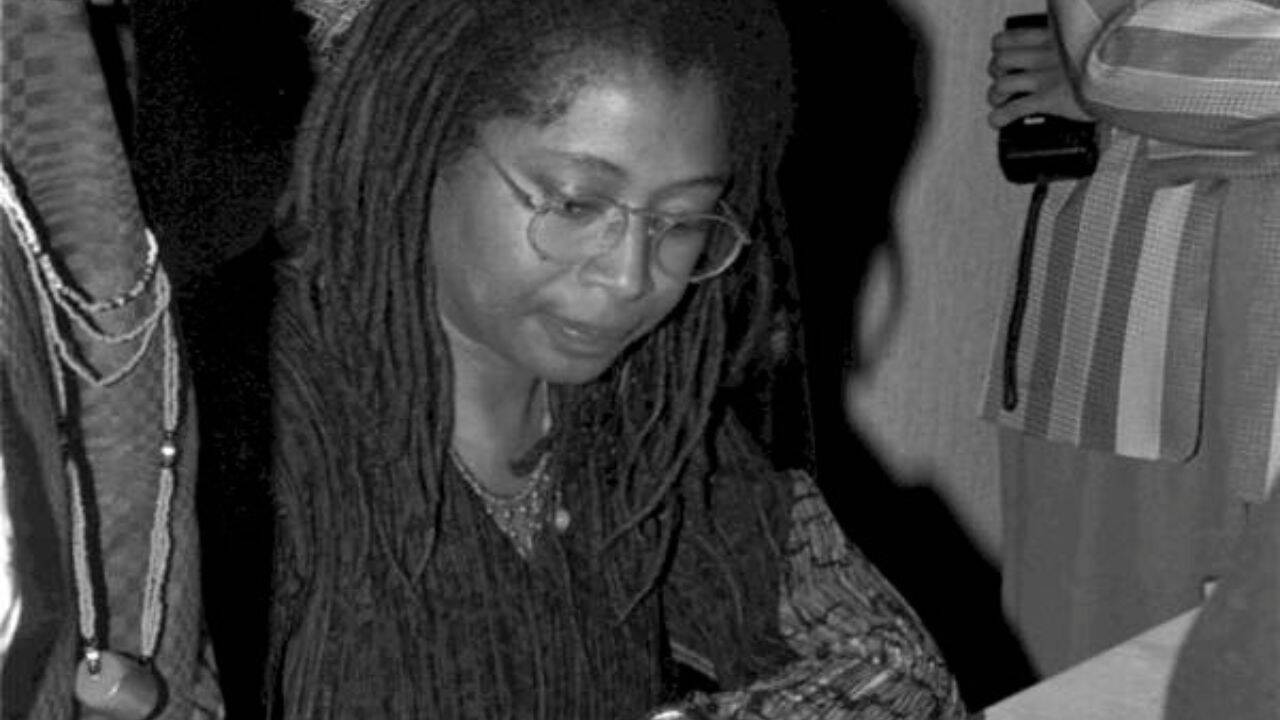
American social activist and Pulitzer Prize-winning author Alice Walker nailed this exact psychological trap when she said, "The most common way people give up their power is by thinking they don't have any."
It's a brutal reality check. The biggest roadblock to living the life you actually want isn't a lack of opportunity or resources. It's the quiet, internal decision to believe you are completely helpless.
The Trap of Learned Helplessness
When you tell yourself that you can't change a bad situation, you're experiencing what psychologists call learned helplessness. This concept dates back to the late 1960s, when researchers found that animals and humans who experience repeated negative events eventually stop trying to escape, even when a clear exit presents itself.
They simply assume control is impossible.
In daily life, this mindset manifests as a series of small, destructive assumptions. You assume the promotion is out of reach, so you don't apply. You assume a difficult conversation will end in disaster, so you keep your mouth shut.
Every time you choose comfort over action because you believe you lack influence, you validate Walker's warning. You act like a spectator in your own life.
Why We Voluntarily Step Aside
Believing you are powerless is actually highly convenient.
Think about it. If you convince yourself that you have zero control over your career, your finances, or your relationships, then you never have to take responsibility for them. If things go wrong, you get to blame the system, your upbringing, or your boss. It's an easy out.
True power requires accountability. Taking ownership of your choices means admitting that your current situation is, at least partly, a result of your own past decisions. That's a bitter pill to swallow, which is why so many people prefer the illusion of helplessness. They traded their freedom for the comfort of a built-in excuse.
Real Power Doesn't Need a Title
We live in a culture that confuses power with status. We look at corporate executives, political figures, and social media influencers with millions of followers, believing that's what real influence looks like.
But Walker's life story shows that real power operates differently. Born to sharecropper parents in a segregated Georgia, she faced immense societal barriers. An accidental childhood injury left her blind in one eye, which caused her to retreat into writing and observation. She didn't wait for someone to hand her a platform. She used her perspective to craft The Color Purple, a novel that challenged systemic racism and patriarchy, eventually making her the first African American woman to win the Pulitzer Prize for fiction.
Her life proved that personal power isn't about dominating others or holding a fancy title. It's about recognizing your internal autonomy and refusing to let external circumstances dictate your worth or your actions.
Signs You Are Giving Away Your Power
Most people don't make a conscious decision to surrender their independence. It happens through tiny, daily habits that slowly erode self-belief. You might be giving away your power if you recognize these patterns:
- You seek constant validation: You can't make a simple decision without asking five friends for their opinion first.
- You play the victim card: Your default response to any setback is to explain why it's someone else's fault.
- You say yes when you mean no: You overcommit to projects or social events out of a crippling fear of disappointing people.
- You complain without acting: You spend hours venting about your job or your relationships but take zero concrete steps to fix them.
How to Reclaim Your Internal Authority
Reclaiming your power isn't about making a massive, dramatic life change overnight. It's about shifting your daily habits and testing your boundaries. Here is exactly how to start.
Audit your self-talk
Pay attention to how you frame your choices. Replace "I can't do this" with "I am choosing not to do this." The shift from "can't" to "choose" immediately reminds you that you are the one in the driver's seat.
Take one micro-action
If a situation feels overwhelming, break it down until you find one thing you actually control. You might not be able to fix a broken corporate culture, but you can update your resume or sign up for a networking event. Action cures the anxiety of helplessness.
Set a hard boundary
Pick one area where you are currently overextending yourself and say a polite, firm no. Reclaiming your power requires protecting your time and your energy from people who take them for granted.
Stop waiting for external permission to change your life. The control you're looking for isn't coming from a promotion, a relationship, or a stroke of good luck. It's already there, buried under the assumption that you don't have it. Take ownership of your choices today and stop giving your influence away for free.

:max_bytes(150000):strip_icc()/gettyimages-511520684-1-71d0a72cf50e4e4481cdc90bfc937f0a.jpg)