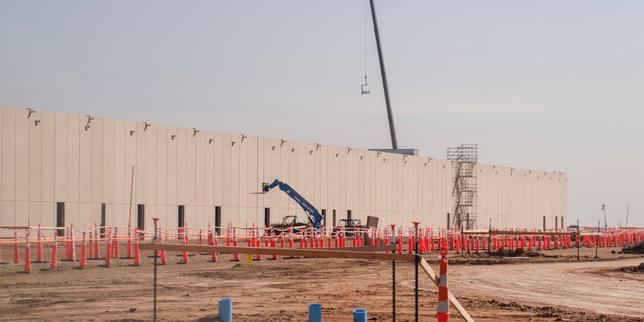
Drive down Route 66 through the Texas Panhandle and you will find miles of wide-open horizon, cattle ranches, and quiet towns that feel frozen in time. But look closer at Amarillo and Carson County today, and you will notice a bitter fight brewing. It is not about tourism or classic cars. It is a modern war over water, artificial intelligence, and the survival of a rural way of life.
When the Amarillo City Council approved a massive water supply agreement allowing Fermi America access to millions of gallons of municipal water daily for a sprawling 5,800-acre AI data center campus, locals did not celebrate economic progress. They pushed back hard. When you live in a region dependent on the heavily stressed Ogallala aquifer, handing over water rights to tech giants feels less like an investment and more like a betrayal.
The Thirst Behind the Artificial Intelligence Boom
We keep hearing about the miraculous potential of artificial intelligence, but tech companies rarely talk about the physical toll. Servers compute at lightning speed, generate extreme heat, and require massive cooling systems. That cooling takes staggering amounts of water and electricity.
In West Texas, where drought is a constant threat and agriculture sustains families, water is gold. The Ogallala aquifer is depleting at an alarming rate, dropping faster than nature can replenish it. When a single industrial project locks down millions of gallons of water per day—enough to sustain tens of thousands of residents for a year—the math simply does not add up for local communities.
Proponents of the Fermi project, which was co-founded by former Texas Governor and U.S. Energy Secretary Rick Perry, argue that these developments put Texas on the global map for technological leadership. They promise economic growth, high-tech infrastructure, and global competitiveness. But for people whose families have farmed or lived in the Panhandle for generations, those promises sound hollow when their wells run dry.
The Trust Gap Between Tech Promoters and Local Residents
A major part of this conflict stems from accountability and transparency. Across Texas, hundreds of data center developments have faced intense scrutiny or investigations for failing to report accurate water and power usage. State regulations remain loose, and penalties for noncompliance are often little more than a slap on the wrist.
When tech representatives claim their facilities use closed-loop or advanced cooling systems that minimize water waste, local residents have every right to be skeptical. Without strict, verifiable reporting requirements baked into state law, communities are asked to trust corporate promises blindly while bearing the environmental risks.
People in Amarillo often quote a simple truth: you can live without cutting-edge technology, but you cannot live without water. When local councils prioritize industrial contracts over municipal conservation, citizens feel their elected leaders are trading long-term community survival for short-term political wins.
What the Amarillo Conflict Means for the Rest of the Country
What is happening along Route 66 right now is a preview of battles playing out across the United States. Rural towns everywhere are being targeted by tech conglomerates looking for cheap land, lax zoning laws, and cooperative local governments. From the Permian Basin to small towns in Tennessee and Ohio, communities are waking up to the reality that data centers are heavy neighbors.
They bring noise pollution, strain electrical grids already pushed to their limits, and compete directly with residents and farmers for dwindling natural resources. The economic benefits—often measured in a handful of permanent local jobs—rarely match the immense public cost of upgrading regional water and power infrastructure.
If state lawmakers and local officials want to avoid widespread civil unrest and legal battles, they need to change course immediately. Transparency must become mandatory, water tracking must be strictly enforced, and tech companies should foot the real bill for the resources they consume rather than passing those costs onto everyday ratepayers.
Protecting land and water isn't just about environmentalism; it is about basic survival. Out on the plains of Texas, the locals know that once the water is gone, no amount of artificial intelligence can bring it back.