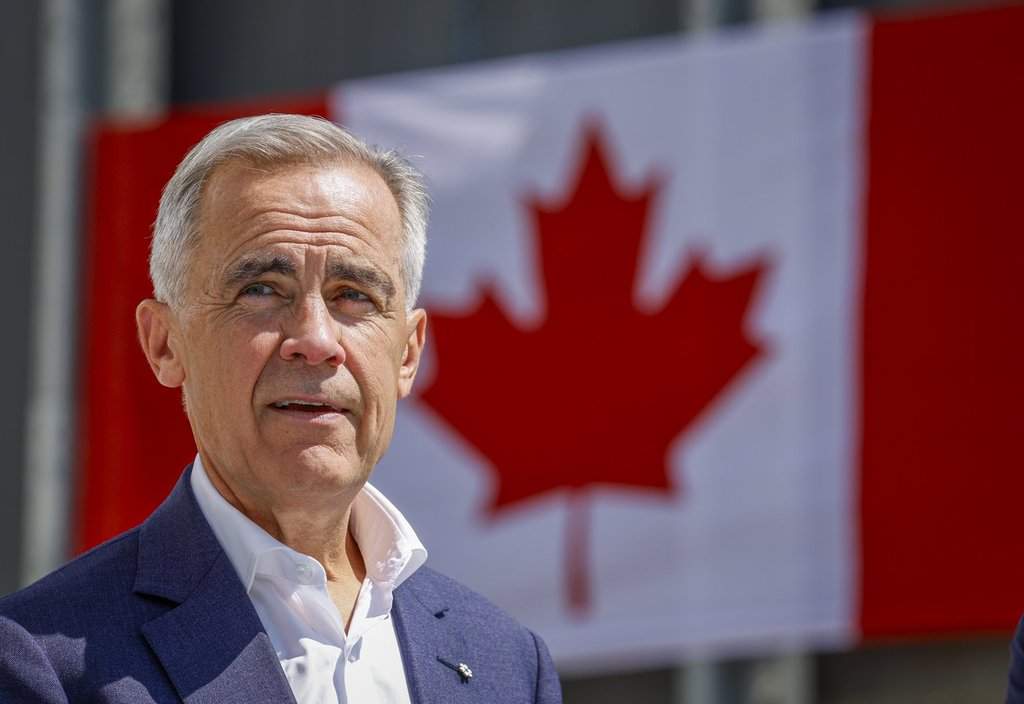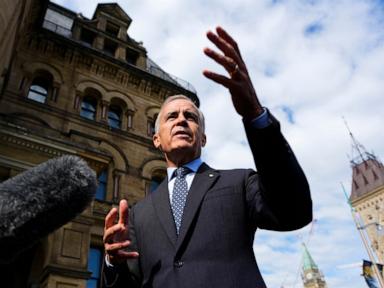
You wouldn't expect Washington to slap heavy tariffs on its closest neighbor, yet here we are. Canada buys more American goods than almost any other country on the planet. For U.S. farmers, the northern border is basically a goldmine second only to Mexico. Trade pacts like the USMCA were specifically designed to keep goods moving duty-free across the 49th parallel. So why is a trade war happening right now?
The short answer comes down to a clash over protectionism, massive energy flows, and shifting political strategies. President Donald Trump's administration has targeted Canada with sweeping tariffs on billions in goods, citing a persistent trade deficit and strict protectionist policies like Canada's supply-managed dairy sector. Ottawa hasn't backed down either, vowing dollar-for-dollar retaliation and even exploring associate membership with the European Union to reduce its economic vulnerability. Don't forget to check out our earlier coverage on this related article.
The Dairy Dispute and Energy Realities
Let's look at what's actually driving the friction. On paper, the U.S. runs a trade deficit with Canada totaling around $27.3 billion. But if you strip away crude oil, that narrative shifts entirely. Canada exported over $85 billion worth of crude oil to the U.S. in 2025 alone. Refineries in the Midwest and Gulf Coast rely heavily on heavy crude from Alberta.
At the same time, agricultural politics remain a massive flashpoint. Canada protects its dairy market with quotas and high tariffs that can exceed 200%. American dairy producers want total access. According to dairy market experts, Wisconsin alone produces more milk than all of Canada combined. Washington argues that Canadian trade barriers are unfair, while Ottawa insists its domestic supply management system is non-negotiable for preserving its agricultural sector. If you want more about the background here, The Motley Fool provides an in-depth breakdown.
Why This Trade Clash Changes Everything Long-Term
Economists point out that Canada's entire economic structure makes it uniquely vulnerable to U.S. policy shifts. International commerce accounts for roughly 64% of Canada's economic output, compared to just 25% for the United States. When trade talks collapsed, Canadian Prime Minister Mark Carney faced immense pressure to respond aggressively.
Instead of folding, Ottawa took a major gamble by promising matching retaliatory tariffs and looking toward alternative partners like the EU. Communities near the border depend heavily on cross-border electricity, potash, and manufactured goods. Disrupting these supply chains hurts consumers on both sides.
What Comes Next for North American Trade
Both nations remain heavily dependent on each other, creating a strong incentive to eventually reach a compromise. U.S. refineries need Canadian energy, and Canadian businesses need American buyers. Still, the breakdown in talks has altered the diplomatic landscape for good. Canada is actively working to diversify its trade portfolio to insulate itself from future political shocks out of Washington.
If you're watching cross-border markets or supply chains, keep a close eye on upcoming negotiations regarding automotive components and agricultural quotas. A deal could materialize once political pressures ease, but the era of unquestioned economic integration between the two neighbors is facing its toughest test yet.
Trade war with Canada escalates
This video provides a direct overview of how the trade conflict and tariff escalations unfolded between Washington and Ottawa.