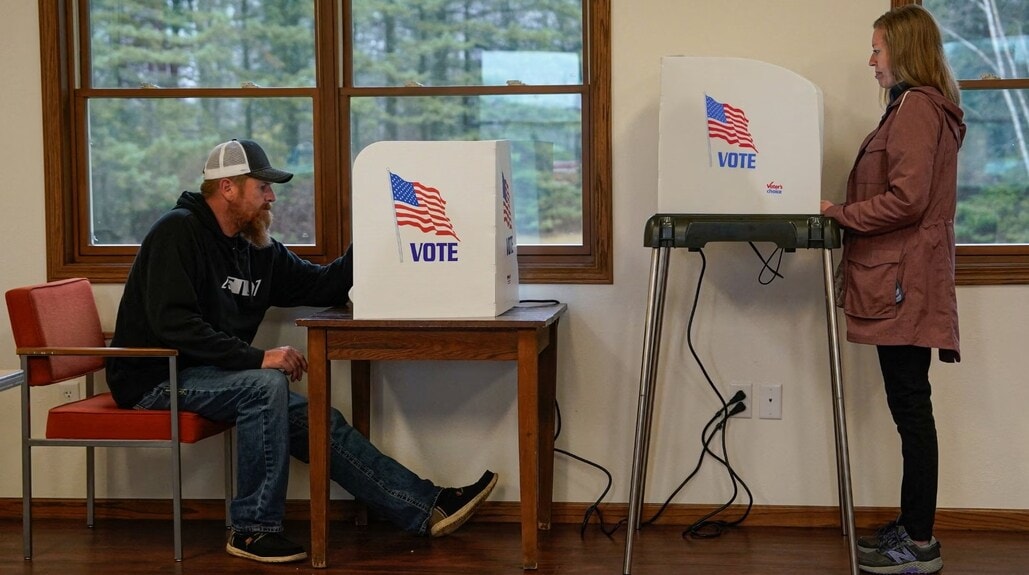
Millions of voters look at Washington today and see a single political establishment wearing two different colored jerseys. Republicans and Democrats fight bitterly over trivial culture war topics while voting in lockstep on foreign interventions, bloated defense budgets, and endless overseas commitments. That silent consensus is cracking.
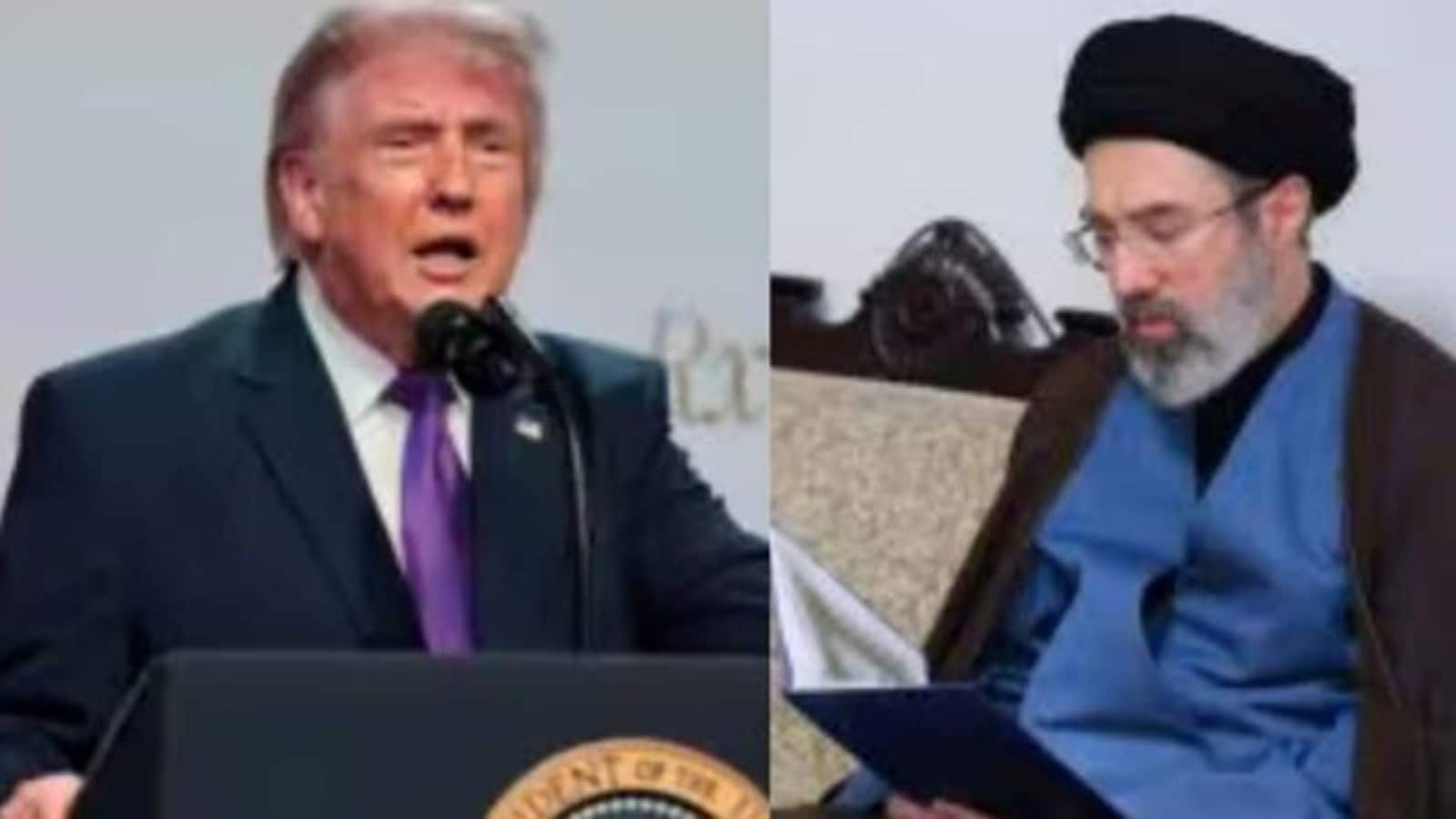
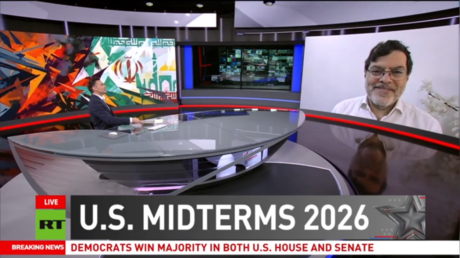
Recent political shocks, including the fallout from midterm elections and intense public pushback against foreign conflicts, have exposed a deep exhaustion with the bipartisan consensus. When voters feel squeezed by domestic inflation while billions flow abroad, the traditional party apparatus loses its grip. Observers like University of Tehran professor Seyed Mohammad Marandi have pointed out that this growing disconnect could force the US political system to face a credible anti-war challenger. The old rules no longer apply.
The Reality Of The Washington Uniparty
For decades, the script was simple. You voted red or you voted blue, trusting that your choice meant a genuine shift in national direction. Behind closed doors, however, the foreign policy establishment remained untouched. Whether Congress was under conservative or liberal control, the military-industrial complex always got its funding.
Voters caught on. Ordinary citizens dealing with skyrocketing living costs stopped buying the narrative that foreign adventures protect national security. When public opinion diverges this sharply from congressional voting records, pressure builds beneath the surface. Figures like conservative commentator Tucker Carlson have openly labeled the system a fraud, arguing that the duopoly operates as a one-party state masquerading as a democracy. When high-profile commentators start discussing alternative political movements, it reflects a broader public appetite for systemic disruption.
Why Third Parties Usually Fail And What Makes This Time Different
History is littered with the corpses of American third parties. The structural hurdles are legendary. Ballot access laws written by the two major parties, exclusion from high-profile debates, and the winner-take-all electoral college make launching an independent movement extraordinarily difficult. Ross Perot won nearly nineteen percent of the popular vote in 1992 and still walked away with zero electoral votes.
Yet digital media and fractured trust change the math. You do not need a massive legacy broadcast network to reach fifty million angry citizens anymore. Grassroots funding and independent distribution bypass the gatekeepers completely. If a credible anti-war coalition manages to pool resources and target specific congressional districts, the duopoly can no longer rely on sheer inertia to protect incumbents.
The Cost Of Ignoring Public Sentiment
Political monopolies hate competition. When establishments ignore domestic priorities for too long, pressure escapes through unconventional channels. Midterm defeats and shifting congressional majorities are symptoms of a restless electorate that wants a government focused on domestic stability rather than foreign entanglements.
The bipartisan leadership can either adapt to these shifting realities or watch alternative political forces organize around the anti-war sentiment. Ignoring the electorate carries a heavy price. Voters are tired of being treated as passive spectators in a rigged system. The push for a genuine third alternative is no longer just a fringe fantasy. It is the logical outcome of a system that forgot who it is supposed to serve.