Power grids are breaking. AI data centers need ridiculous amounts of electricity. Tech giants are desperate.
You can't run a massive machine learning cluster on rooftop solar panels and good intentions. You need baseload power that runs twenty-four hours a day, rain or shine. That simple reality explains why the United States is suddenly scrambling to bring shuttered nuclear power plants back from the dead.
Honestly, it's about time. For years, we watched functional zero-emission power stations get mothballed simply because cheap natural gas temporarily squeezed their profit margins. Now, reality has caught up. The energy transition collided with the artificial intelligence explosion, and the grid lost.
The Data Center Power Crunch
Look at the numbers. A single modern hyperscale data center sucks down as much electricity as a small city. Multiply that by hundreds of new facilities popping up across Virginia, Ohio, and Texas, and you get a looming catastrophe for utility companies.
They can't build natural gas plants fast enough. Wind and solar are great, but they are intermittent. When the wind stops blowing at night, data centers can't just pause their trillion-parameter models until sunrise.
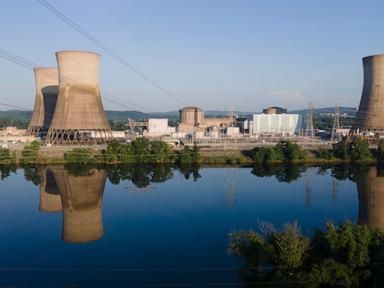
Tech companies see this clearly. They aren't waiting for public utilities to figure it out. They are writing direct checks to nuclear operators to lock down exclusive power supplies. Microsoft didn't make headlines by accident when they struck a deal to help restart the Three Mile Island facility. They did it because survival in the current tech landscape requires guaranteed megawatts.
Why Restarting Beats Building From Scratch
Building a brand-new nuclear reactor from scratch in the United States is an absolute nightmare of regulatory red tape, budget overruns, and construction delays. Just look at Vogtle in Georgia. It took forever and cost a fortune.
Reviving an already existing plant bypasses the worst of those headaches. The concrete is poured. The cooling water intake structures are permitted. The transmission grid connections are already sitting right there on site.
Sure, you still need Nuclear Regulatory Commission approval. You still need to replace massive steam generators, test every valve, and retrain a specialized workforce. But the timeline drops from fifteen years to three or four. In tech terms, three years is an eternity. In energy terms, it is lightning fast.
Consider the Palisades plant in Michigan. Closed down and written off as a financial liability, it is now on track to fire back up. Holtec International secured federal loan guarantees because the Department of Energy realizes that throwing away gigawatts of carbon-free capacity is pure insanity.
The Economic Reality No One Mentions
Nuclear energy is expensive upfront, but it is remarkably resilient over time. Once a plant is running, the fuel cost is a fraction of what gas or coal requires.
Critics worry about safety and waste. Fair enough. Nuclear waste is a real thing, though dry-cask storage works safely on-site while the federal government continues its decades-long comedy of errors regarding a permanent repository. But let us be honest about the alternatives. If the choice is between burning more coal, rolling blackouts, or firing up a refurbished nuclear plant, the choice is obvious.
Local communities often welcome the restarts, too. A shuttered plant represents hundreds of high-paying jobs vanishing overnight. Bringing it back breathes life back into small towns that depend on that tax base.
What Happens Next
The race is on. Watch for more tech corporations to bypass traditional utilities entirely, partnering directly with nuclear utilities to secure dedicated power microgrids.
If you are investing, building, or planning infrastructure, keep your eyes on regulatory approvals for these reactor revivals. The grid is changing permanently. The nuclear renaissance isn't a theory anymore. It is happening right now, driven by the sheer, unquenchable thirst of modern computing.
Check your local utility's long-term resource plan today. The energy landscape you knew five years ago is gone. Adapt to it or get left in the dark.