The numbers are officially in, and they are worse than expected. National Oceanic and Atmospheric Administration data confirms that the contiguous United States just experienced the hottest month in 132 years of record-keeping.
We aren't just talking about a mild summer spike. The Lower 48 averaged a staggering 76.9 degrees Fahrenheit, managing to eclipse historic scorchers like July 1936 during the Dust Bowl and the intense heat waves of July 2012. Every single state in the contiguous U.S. tracked temperatures well above the 20th-century average.
If you felt like your air conditioning was working overtime this past month, you weren't imagining things. Let's look at what actually happened, why night temperatures are becoming a silent emergency, and what this means for the future.
The Broken Benchmark of 1936
For generations, the Dust Bowl summer of 1936 stood as the untouchable bogeyman of American climate history. It was a catastrophic era defined by severe soil erosion, failed crops, and staggering human displacement across the central plains.
When modern weather data creeps past 1936, scientists sit up straight. Jeff Masters, a veteran meteorologist with Yale Climate Connections, points out the grim reality of breaking these multi-generational records. Back in the thirties, the heat was heavily localized to the Midwest and fueled by aggressive, flawed agricultural methods.
Today's heat is different. It's systemic. The warmth blanketed the entire country, hitting the Mountain West, Southwest, Northern Plains, and Southeast with relentless force. Wyoming shattered its all-time record, sitting a jaw-dropping 5.1 degrees above normal.
The Real Killer Is the Night
Daytime highs grab the headlines. Asphalt melts, news anchors fry eggs on sidewalk pans, and power grids strain under the weight of air conditioning demand. But daytime heat isn't the primary driver behind this record-shattering month.
It's the nighttime lows.
NOAA data shows that average overnight minimum temperatures across the country reached 64.2 degrees, smashing previous night records by nearly a full degree. That sounds harmless on paper. In practice, it is lethal.
Your body needs relief. When the sun goes down, biological systems rely on dropping ambient temperatures to cool core body temperatures down, regulate blood pressure, and recover from daily stress. When overnight lows refuse to dip below 75 or 80 degrees, human biology breaks down. Sleep quality plummets. Heat exhaustion compounds over consecutive days without relief. Urban heat islands trap this leftover thermal energy in concrete and steel, turning cities into giant slow-cooker ovens long after midnight.
The Human Cost and Adaptation Failures
We are terrible at treating slow-onset disasters with the urgency they require. While sudden hurricanes or flash floods trigger immediate evacuations and wall-to-wall news coverage, a relentless multi-week heat dome creeps up quietly.
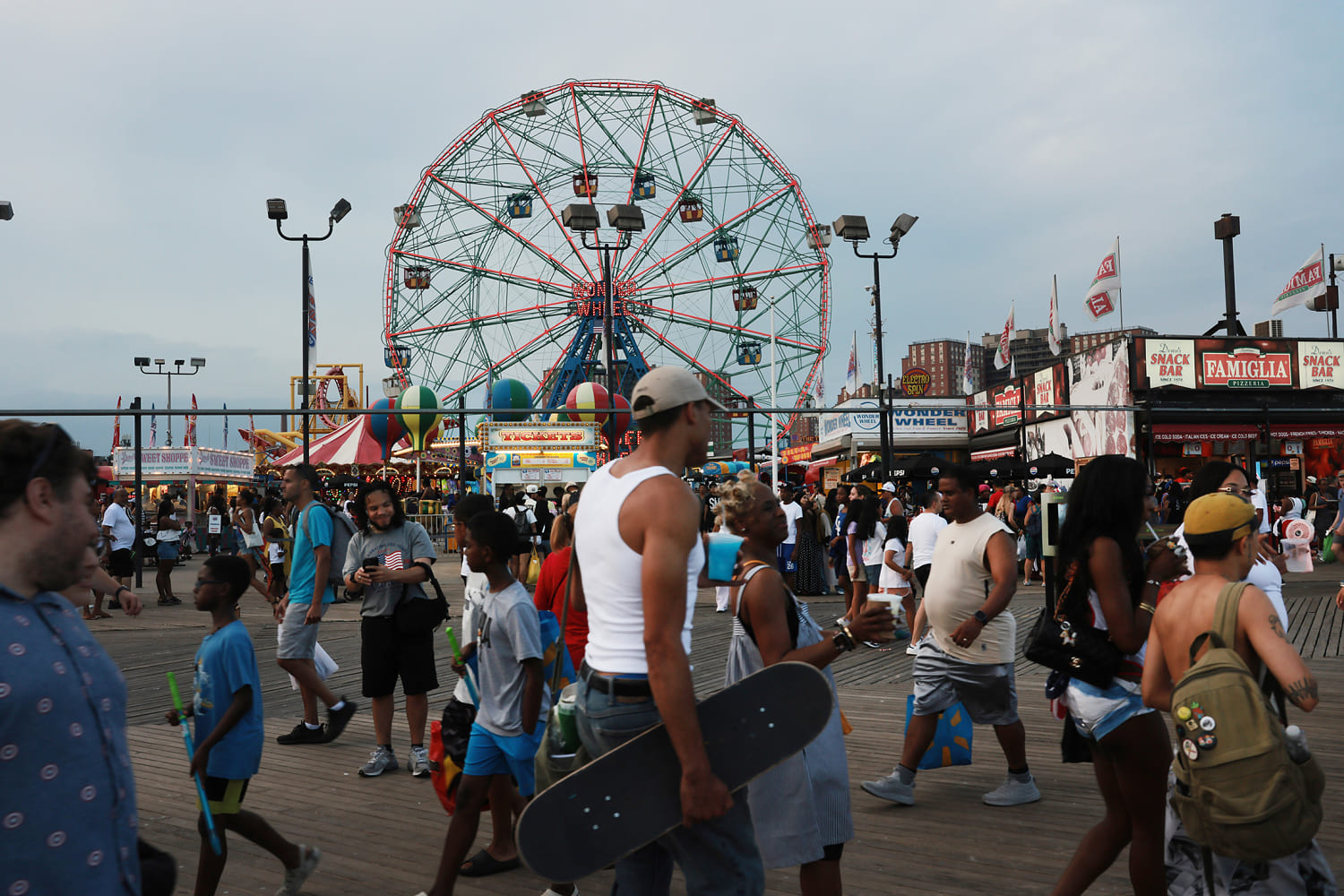
Over 185 million Americans found themselves under strict heat alerts during the peak of the month. Independence Day celebrations were scaled back or outright canceled in major hubs like Washington, D.C., because standing outside felt like stepping into an industrial hair dryer.
Infrastructure isn't built for this. Railway tracks warp under prolonged heat stress. Transformer boxes blow out, plunging neighborhoods into blackout conditions precisely when cooling systems are needed most.
Scientists like Katharine Jacobs from the University of Arizona emphasize that these anomalies match climate change models down to the letter. The continuous burning of fossil fuels pumps greenhouse gases into the atmosphere, thickening the blanket that traps thermal radiation. Natural variations like El Niño add temporary fuel to the fire, but the baseline keeps marching upward year after year.
What You Can Do Right Now
Complaining about the weather won't cool down your house. If you want to protect your household and survive these worsening summer extremes, you have to change how you manage thermal stress.
Stop waiting until your home feels like a sauna to take action. Install blackout curtains on any windows facing direct sunlight during peak afternoon hours. Upgrade your thermostat to a smart schedule that pre-cools your living space during the early morning hours before the grid gets bogged down.
Check on older neighbors. Elderly populations lose their natural ability to regulate body temperature effectively, making prolonged indoor heat waves a severe medical hazard. Keep extra electrolytes on hand, and don't rely purely on thirst as an indicator of dehydration.
The climate isn't going back to the way it was in 1950. Treat every summer moving forward as a season that requires deliberate preparation, defensive home modifications, and a healthy respect for what ambient heat can do to the human body.