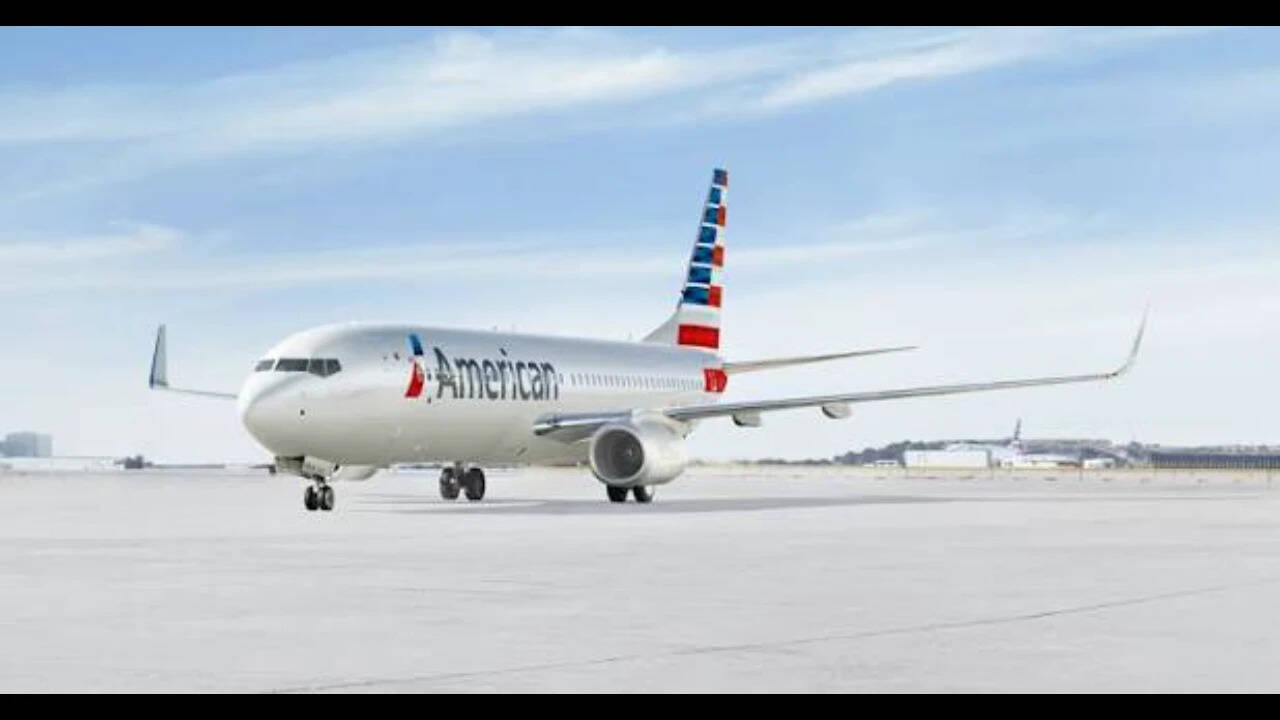
Imagine stepping onto a transatlantic flight, settling in for a long haul, and discovering that almost all the onboard restrooms have broken down. That is precisely what happened on an American Airlines flight traveling from Madrid to Dallas-Fort Worth on October 6, 2026.
American Airlines Flight 37 was forced to make an unexpected diversion to New York's John F. Kennedy International Airport. Why? Because six out of the eight lavatories on board stopped working. Building on this theme, you can find more in: Why The Renewed Air War In Yemen And Taiz Changes Everything Right Now.
When you hear about a flight diversion, you usually expect engine trouble, severe weather, or a medical emergency. A mass plumbing failure on a widebody jet sounds like a bad comedy sketch. But for the hundreds of passengers trapped in the cabin, it was a logistical nightmare that forced the flight crew to make an urgent pit stop.
The Radio Call Everyone Heard
The reality of the situation came to light through air traffic control communications captured on LiveATC.net. When the pilot requested permission to divert toward the New York gateway, air traffic controllers were understandably confused. Observers at Reuters have also weighed in on this situation.
A controller asked why the aircraft needed to divert away from its intended Texas flight path. The pilot responded plainly: only two lavatories remained operational out of the original eight.
"You said only two potties, is that right?" the controller asked, highlighting the absurdity of the situation.
"That's affirmative," the pilot replied.
An American Airlines spokesperson later confirmed the incident to media outlets, explaining that Flight 37 landed at JFK safely so maintenance crews could inspect and service the aircraft before it eventually continued its journey to Dallas-Fort Worth. The airline issued standard apologies for the disruption, but the incident raises a bigger question about how modern commercial aviation handles unexpected equipment breakdowns mid-air.
Why a Broken Toilet Forces a Plane to Turn Around
People often wonder why a plane cannot just push through a plumbing issue for a few more hours. After all, it is just a bathroom, right?
It is easy to laugh off a broken toilet, but international aviation rules and basic human physiology do not mix well when plumbing fails. Aviation experts point out that long-haul flights require functional sanitation systems to maintain order and safety. When hundreds of people are crammed into a cabin for an eight-hour journey, losing three-quarters of the available restrooms creates massive bottlenecks.
Long lines in the aisles present major security concerns. When passengers cluster near the front and rear galleys waiting for a rare open door, they violate cabin security protocols. Furthermore, crowded aisles trap passengers and flight attendants when the seatbelt sign flashes on due to unexpected turbulence.
Because this was an international flight crossing the Atlantic, the flight crew had limited options. They needed to divert to a designated USA gateway airport equipped with proper customs and immigration services—such as JFK, Newark, or Boston. This allowed the plane to land safely, let maintenance personnel board to troubleshoot the plumbing system, and kept the airline compliant with federal entry regulations.
The Real Cost of Maintenance Glitches
Mechanical failures happen. Commercial aircraft are complex machines flying thousands of miles daily under intense environmental stress. Vacuum waste systems on modern jets rely on complex networks of valves, sensors, and pressure differentials. If one component fails, it can trigger a cascading system fault that knocks out multiple stalls on the same vacuum line.
Passengers lost hours of their travel day because a network of airplane toilets gave out mid-journey. While the airline inspected and fixed the hardware on the ground in New York before resuming the trip, the incident serves as a reminder that travel plans depend heavily on behind-the-scenes mechanical reliability.
Next time you board a long-distance flight, maybe take a quick mental note of where the working restrooms are. You never know when you might be competing with hundreds of other travelers for just two open doors at thirty thousand feet.