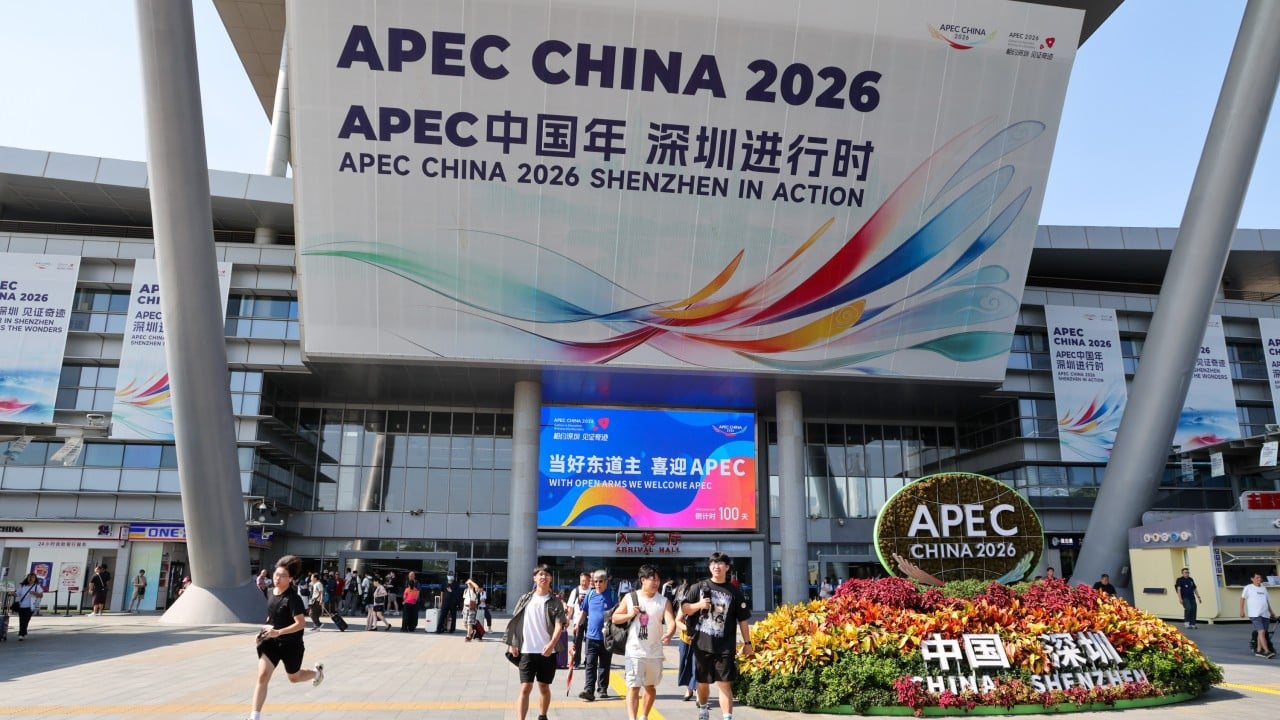
Geopolitical pageantry rarely matches corporate reality. When Beijing announced that Shenzhen would host the 33rd APEC Economic Leaders' Meeting, state planners expected a stampede of foreign capital and corporate royalty. Instead, organizers have quietly pushed back deadlines again and again. Major US chief executives are dragging their feet, signaling a deep chill in corporate boardrooms that no amount of diplomatic scheduling can fix.
If you look past the official press releases celebrating high registration numbers from trade groups, the ground-level sentiment tells a completely different story. American business leaders aren't jumping at the chance to fly into tech hubs for photo-ops like they used to. Why? The calculus of operating in China has shifted from growth-at-all-costs to risk management and damage control. You might also find this connected story interesting: Why The Global Sulfur Crunch Is The Real Threat To Your Grocery Bill.
The Compliance Trap and Regulatory Fog
You can't talk about corporate hesitation without looking at the compliance minefield. Washington and Beijing keep tightening the screws on cross-border investments, data security, and critical tech supply chains. Chief executives aren't just worried about missing out on deals anymore. They're worried about walking out of a summit room only to find themselves caught in a regulatory crossfire back home.
When US firms look at Shenzhen's agenda—spanning artificial intelligence, digital economies, and free trade zones—they see high-level talking points that clash with day-to-day legal realities. As extensively documented in latest reports by Bloomberg, the effects are worth noting.
- Data Security Risks: Strict domestic laws make sharing operational data with headquarters a legal liability.
- Supply Chain Decoupling: Boardrooms are spending millions untangling operations rather than doubling down on new commitments.
- Political Crosswinds: Antitrust probes, exit bans, and tightening national security laws have turned routine business visits into high-stakes poker games.
Executives aren't unenthused because they hate the Chinese market. They're unenthused because the risk-reward ratio is broken.
When State Dinners Turn Into Political Footballs
Diplomacy used to be smooth. CEOs would fly out, shake hands, secure a few headlines, and head back to Wall Street with signed memoranda of understanding. Those days are gone. Recent friction over state visits, reciprocal visa blocks, and high-profile detentions of foreign executives have poisoned the well.
When a group of international business leaders realizes their presence is merely being used as a diplomatic prop rather than a driver of genuine commercial reform, they check out. Extending deadlines doesn't fix a broken trust deficit. It just gives executives more time to invent scheduling conflicts.
What the Numbers and Spin Miss
State-backed trade promotion agencies love to highlight total registrations. They point to hundreds of attendees as proof of enduring corporate commitment. But registration lists don't distinguish between a C-suite decision-maker with a billion-dollar checkbook and a mid-level government affairs manager sent to take notes.
The heavy hitters—the people running America's largest multinational technology and manufacturing giants—are increasingly sending deputies or skipping the trip altogether. They know that showing up in Shenzhen won't change export controls, tariffs, or the strict scrutiny coming out of Capitol Hill.
Stop expecting a miraculous turnaround in commercial sentiment just because the calendar gets pushed back another two weeks. Until the fundamental rules of engagement change, US executives will keep treating these high-profile summits like optional webinars.
Assess your exposure, audit your compliance protocols, and stop waiting for political summits to solve your operational bottlenecks.