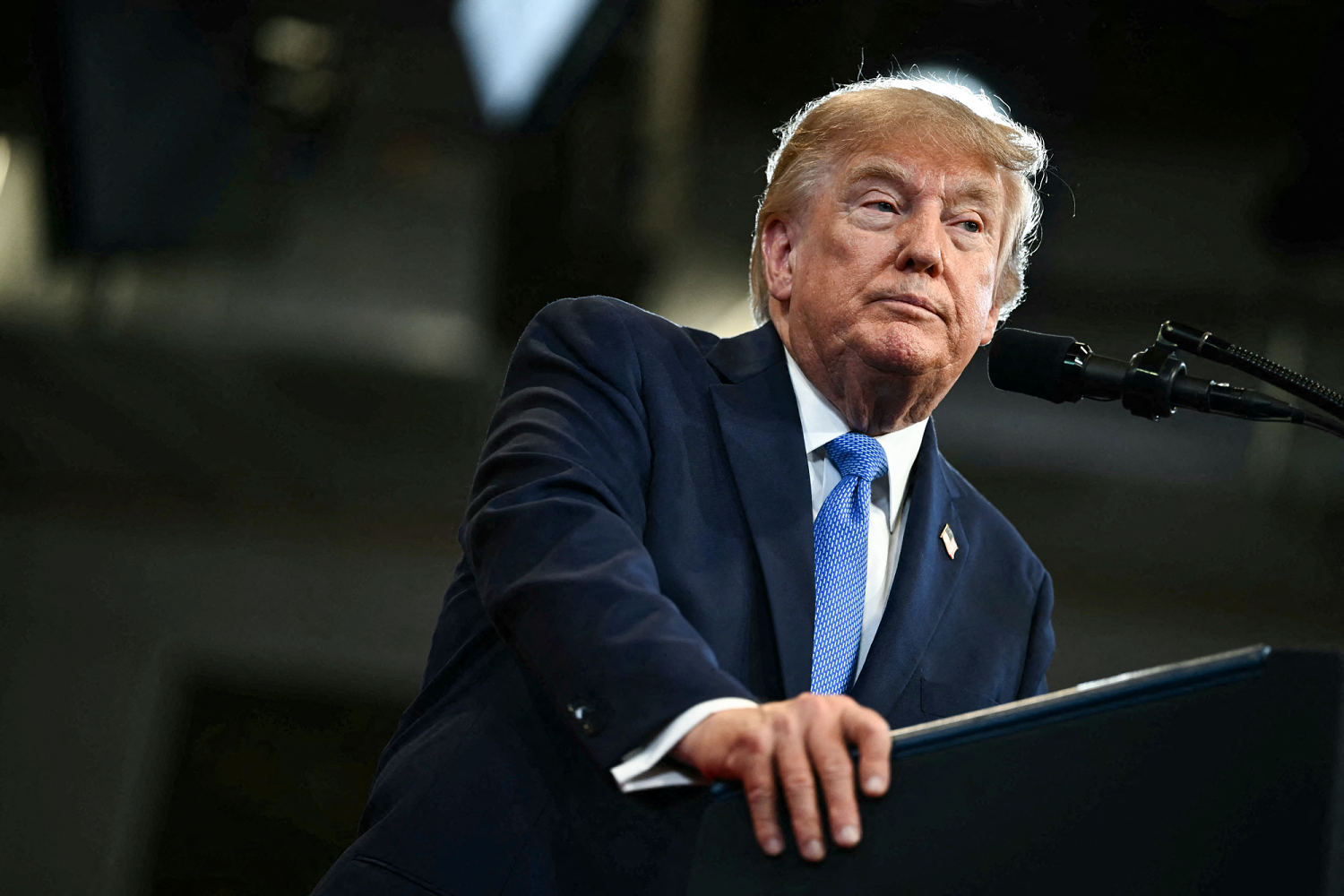
Record-high grocery bills have forced Washington to look for quick fixes, but the administration's attempt to lower meat costs has triggered an unexpected political civil war. When the White House moved to increase beef imports from Argentina to combat soaring prices at supermarket checkout lanes, it expected standard political friction. Instead, it ran straight into a wall of resistance from its most loyal base: rural conservative voters, American cattle ranchers, and a growing bloc of GOP lawmakers.
You see, the math behind the modern cattle market is brutal. U.S. cattle inventory has dropped to its lowest level in seventy years following years of punishing droughts and wildfires. Ground beef prices have climbed past historic thresholds, and sirloin steaks routinely command double-digit prices per pound. Consumers are angry, and politicians are scrambling to show they are doing something about inflation. If you found value in this piece, you might want to look at: this related article.
The administration's solution was an executive order designed to quadruple beef imports from Argentina under a new trade agreement. The logic sounds simple on paper: boost supply, drop prices. But reality on the ground looks entirely different.
The Immediate Market Backlash
Markets hate uncertainty, and livestock markets reacted instantly. The moment the policy direction became clear, cattle futures and cash prices dropped sharply across key agricultural states, hitting producers right in the pocketbook before they could sell their autumn herds. For another perspective on this event, refer to the latest coverage from Business Insider.
Ranchers argue that punishing domestic producers for a supply shortage driven by weather and multi-year herd liquidation makes zero economic sense. Industry groups like the National Cattlemen's Beef Association pushed back hard, stating publicly that the administration was undercutting family farms and ranches to achieve a minor headline effect on grocery inflation.
President Trump fired back on social media, reminding producers that tariffs were the only reason they had enjoyed strong pricing periods recently, writing that without his protectionist stances, they would be struggling just like they did for decades prior. That frank pushback did little to soothe tensions in cattle country.
Why Republican Lawmakers Are Breaking Ranks
It is rare for Republican members of Congress to openly challenge a policy pushed by their own White House, but agricultural economics often override party loyalty. More than a dozen House and Senate Republicans joined letters of opposition, warning that flooding the market with foreign beef threatens domestic stability.
Lawmakers pointed to three major flaws in the strategy:
- Unfair Competition: Domestic producers operate under strict federal environmental, labor, and animal health regulations that foreign competitors do not always match identically.
- Minimal Consumer Relief: Industry experts argue that the volume of imported beef allowed under the quota is too small to meaningfully shift national grocery averages.
- Erosion of Food Security: Discouraging domestic ranchers by depressing prices today guarantees smaller domestic herds and higher prices tomorrow.
Agriculture Secretary Brooke Rollins defended the framework by emphasizing that the administration is simultaneously rolling out Department of Agriculture initiatives to support herd rebuilding and disaster relief. Yet, producers note that government relief checks take months to arrive, while market drops happen the second an executive order is signed.
Finding a Sustainable Path Forward
If you talk to independent cattlemen, their message is consistent: let the market work, build back domestic herd capacity through long-term infrastructure support, and stop treating agriculture as a quick valve to vent consumer anger. Lowering grocery prices is a noble political goal, but sacrificing the people who put meat on American tables is a dangerous trade-off.
Rebuilding a decimated national cattle herd takes years, not months. Until Washington commits to addressing the root causes of supply constraints—such as pasture recovery, feed costs, and generational farm transitions—temporary import fixes will only deepen the crisis for rural America.
Watch how local livestock auctions respond this season, track upcoming USDA cattle inventory reports, and look closely at whether long-term disaster funding actually reaches working ranches before assuming foreign imports will fix domestic inflation.
Cattle ranchers slam President Trump's plan to buy beef from Argentina
This short video provides a quick look at the immediate outrage and economic pushback from American cattle ranchers following the announcement of the Argentine beef import plan.
http://googleusercontent.com/youtube_content/1