When a president sets out to alter the physical face of Washington, D.C., you expect debate. You expect architectural critics to complain about aesthetics and opposing lawmakers to argue about budget allocations. What you don't always see is a sweeping consensus among the public that a commander-in-chief is simply building monuments to himself.
That's precisely where we find ourselves today. Recent polling reveals that nearly half of Americans—and majorities across multiple independent surveys—believe Donald Trump's grandiose plans to redesign the national capital are driven primarily by ego rather than public interest.
From a proposed $400 million ballroom displacing historic space in the White House East Wing to a soaring 250-foot triumphal arch near Arlington National Cemetery, the proposed transformations have ignited fierce public pushback. Americans aren't just skeptical. They're actively rejecting the idea that the nation's civic center needs a personal makeover.
The Washington DC Projects Raising Eyebrows
Washington has seen its share of bold presidential vision. Pierre L'Enfant designed the city with monumental scale in mind, and presidents from Thomas Jefferson to Franklin D. Roosevelt left distinct structural imprints. Yet the sheer scope and character of current proposals feel fundamentally different to most voters.
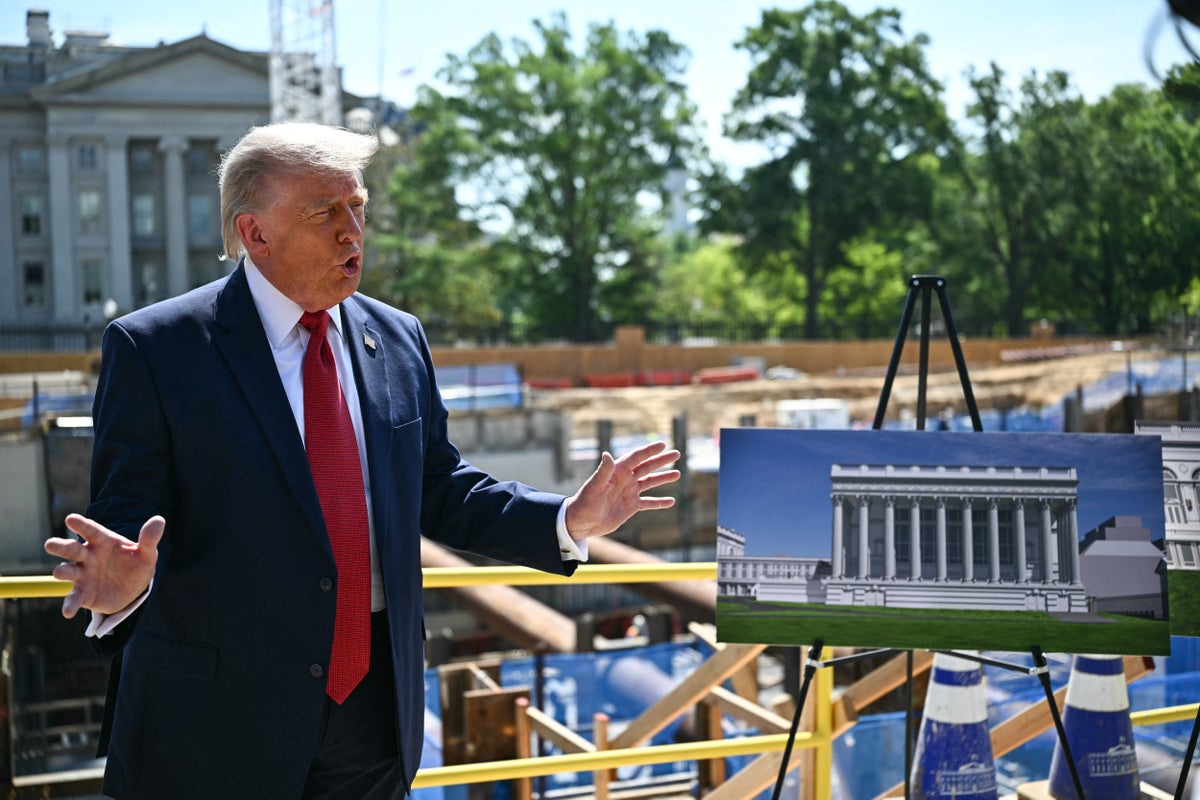
Take the proposed White House ballroom. Plans to demolish portions of the historic East Wing to construct an extravagant, $400 million ballroom space have drawn sharp pushback from historic preservationists and voters alike. Supporters argue the White House needs a modern, secure facility to host state dinners without setting up temporary tents on the South Lawn. Opponents see a lavish vanity construction that disrupts a classic piece of American heritage.
Then there's the 250-foot triumphal arch. Slated for placement near the Lincoln Memorial and Arlington National Cemetery, the massive monument has generated intense community pushback. Public comment windows for the commission reviewing the project saw unanimous opposition from residents and veterans groups, who voiced concerns about traffic, aesthetic dissonance, and disrespect toward neighboring military grounds.
And it doesn't stop at concrete and limestone. Proposals to place presidential signatures prominently on U.S. currency and rebrand national semiquincentennial celebrations under custom branded banners have added fuel to the fire.
To many citizens, these aren't public works. They're personal branding exercises funded on the public's watch.
What the Polling Data Actually Reveals
When you look closely at recent numbers from the Washington Post, ABC News, Ipsos, and YouGov, the public sentiment is remarkably clear.
On the $400 million East Wing ballroom, only 28 percent of Americans support the project. A solid 56 percent explicitly oppose it. Even when pollsters noted that private donors would help fund the effort, the numbers barely budged. People aren't just worried about the price tag—they dislike the intent.
The numbers look even worse for the proposed 250-foot triumphal arch. Just 21 percent of respondents want to see it built, while 52 percent stand opposed.
When asked about swapping traditional Treasury Secretary signatures on paper currency for presidential signatures, a whopping 68 percent rejected the idea. Only 12 percent expressed approval.
+-----------------------------------+---------+----------+
| Proposed Project                  | Support | Oppose   |
+-----------------------------------+---------+----------+
| $400M East Wing Ballroom          | 28%     | 56%      |
| 250-Foot Triumphal Arch           | 21%     | 52%      |
| Signature on U.S. Currency        | 12%     | 68%      |
+-----------------------------------+---------+----------+
These aren't narrow partisan splits. While registered Republicans show higher support for presidential initiatives overall, independent voters lean heavily against structural redesigns in D.C. Democrats overwhelmingly reject them. The underlying message is consistent: Americans view public monuments as shared cultural property, not canvas space for individual leaders.
Ego Versus Civic Tradition
Presidents have always used architecture to send political messages. George Washington personally oversaw early federal building designs to project stability for a young republic. Abraham Lincoln insisted that work on the Capitol dome continue during the Civil War to symbolize an unbroken Union.
Those projects aimed to uplift national unity. Today's proposals feel different because they centerpiece the leader rather than the country.
When a leader attempts to reshape public monuments without broad public buy-in, it breaks an unwritten rule in American civic culture. Citizens expect federal monuments to honor shared history, fallen soldiers, or foundational democratic ideals. When a project appears designed to highlight a sitting chief executive's personal brand, resistance builds quickly.
There's also a timing issue. With voters across the country struggling with persistent inflation, housing costs, and healthcare expenses, spending hundreds of millions on White House party spaces strikes many as completely out of touch. Even when private donors foot the bill, critics note that presidential attention and federal administrative resources are being directed toward decorative vanity items instead of pressing national problems.
The Fight Over Funding and Approval
Despite low public support, several of these projects continue moving through regulatory hurdles. The Commission of Fine Arts voted to advance plans for the triumphal arch despite public comments running nearly 100 percent against it.
On Capitol Hill, political battles over financing continue to rage. Some lawmakers have advocated using federal tax dollars to ensure the White House ballroom meets strict security requirements, citing safety concerns for high-profile gatherings.
"If you don't think $400 million is a good investment to create a secure facility at the White House, then I disagree," argued one senator during budget hearings, insisting that voters would eventually appreciate a modernized state facility.
Opponents aren't backing down, though. Veterans organizations have threatened legal action regarding the triumphal arch, citing federal land-use laws and protections for historic sites surrounding Arlington National Cemetery. Local D.C. advocacy groups continue lobbying federal oversight boards to block construction permits.
The gap between official approval bodies and public opinion highlights a growing divide in how Washington infrastructure gets managed. Appointed commissions can approve designs, but they can't force the American public to like them.
Where Public Infrastructure Attention Should Go Instead
If Americans don't want giant arches and White House ballrooms, what do they want federal construction projects to focus on?
National surveys consistently show that voters prefer pragmatic, high-impact infrastructure investments over symbolic monuments:
- Upgrading deteriorating bridges, roads, and public transit systems across mid-sized American cities.
- Modernizing aging water grids and removing lead service pipes in older municipalities.
- Repairing neglected facilities inside existing National Parks and historic public landmarks.
- Enhancing cybersecurity and physical protection for vital power grids and water treatment plants.
When public dollars and political energy go toward high-visibility vanity builds, it takes focus away from basic maintenance that millions of people rely on every single day.
How Citizens Can Influence Federal Design Decisions
If you're concerned about how public land and historic monuments in the nation's capital are handled, you don't have to just watch from the sidelines. Federal design projects undergo mandatory public comment periods and regulatory reviews where public input carries legal weight.
Here are concrete actions you can take right now to participate in federal land-use oversight:
- Submit formal comments during Section 106 reviews: The National Historic Preservation Act requires federal agencies to evaluate how proposed builds affect historic sites. You can submit public statements directly to the Advisory Council on Historic Preservation (ACHP).
- Contact your congressional representatives: Express your views on whether federal funds or tax incentives should be allocated toward non-essential structural additions at the White House or National Mall.
- Engage with regional oversight bodies: Monitor upcoming hearing agendas for the Commission of Fine Arts (CFA) and the National Capital Planning Commission (NCPC). Both accept written public testimony prior to major project approvals.
- Support historic preservation trusts: Organizations like the National Trust for Historic Preservation track court challenges and administrative decisions regarding public land modifications in D.C.
Civic space belongs to the public. Paying close attention to regulatory filings and public comment deadlines ensures that federal building projects reflect genuine community priorities rather than temporary political motives.