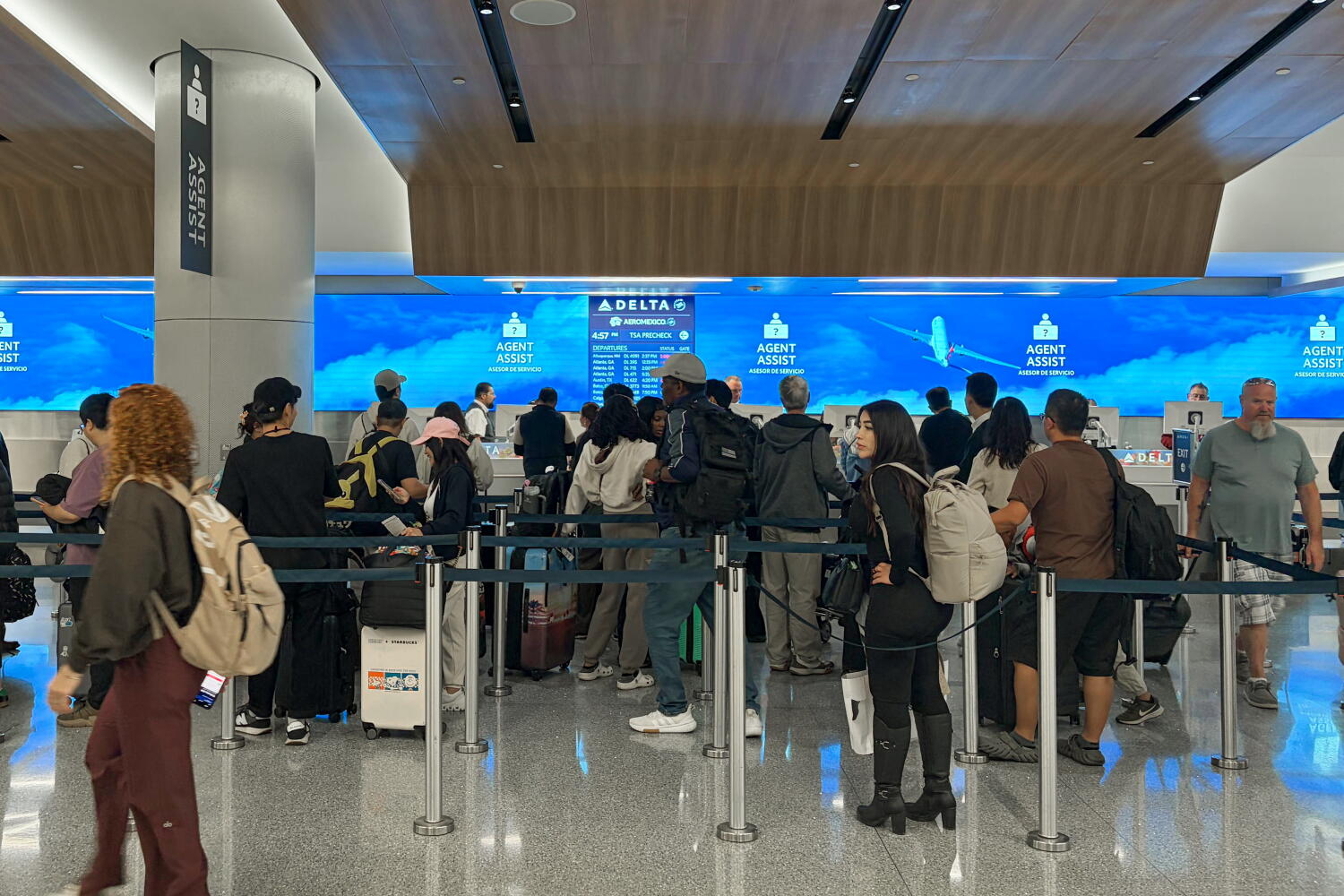
Every time you board a commercial flight, you are trusting your life to an invisible electronic web that is decades past its expiration date. Recent nationwide ground stops didn't happen because of cyberattacks or rogue weather fronts. They happened because the infrastructure guiding airplanes across American skies is running on antique copper wiring and obsolete telecommunication nodes that should belong in a museum rather than a busy control center.
When millions of passengers find themselves stranded at boarding gates because regional air traffic control centers lose contact with each other, you realize how fragile modern mobility actually is. Government officials love to point fingers after a crisis. Yet the truth is plain to see for anyone willing to look beneath the polished marketing campaigns of major airlines and federal agencies.
The Cost of Ignoring Legacy Equipment
For years, politicians have kicked the can down the road. Fixing an invisible system doesn't win elections the way ribbon-cutting ceremonies for shiny new airport terminals do. So, billions of dollars flowed into vanity projects while the backend—the actual radar processing hubs, the communication links between air traffic control towers, and the archaic copper lines—remained neglected.
Consider what happens when a regional center experiences a telecommunications hiccup. Instead of an automated failover system kicking in instantly with zero downtime, technicians often have to scramble like frantic IT workers trying to reboot a crashed office server from 1995. Thousands of flights get grounded. Planes already in the air circle helplessly or divert to already overflowing tarmac spaces.
Transportation officials admit that trying to patch modern upgrades onto a fifty-year-old skeleton creates massive friction. You cannot build a modern digital highway on top of rusted railroad tracks and expect zero collisions. Every minor maintenance update now carries the risk of a systemic cascade failure.
The Controller Shortage Multiplier
Outdated hardware is only half the disaster. The human element is breaking down just as fast. Air traffic controllers are working mandatory six-day weeks, pulling grueling double shifts, and staring at flickering, pixelated screens for hours on end.
Exhausted people make mistakes. Overworked systems crash. Put them together, and you have a ticking clock. When a controller at a major hub is managing twice the volume they were trained for while coping with communication dropouts, safety margins shrink dangerously close to zero.
Airlines bear plenty of blame too. Their scheduling software often treats crews and aircraft like interchangeable chess pieces on a spreadsheet. The moment a winter storm or a brief technical glitch hits Atlanta, Chicago, or Denver, the dominoes fall. Crew scheduling systems fail to track where pilots and flight attendants are, leaving planes parked at gates with no one to fly them.
What Needs to Change Right Now
Throwing random cash at the Federal Aviation Administration won't fix structural decay overnight. The modernization effort requires replacing thousands of miles of analog copper lines with high-bandwidth fiber optics, building immediate redundancies into regional radar feeds, and fundamentally overhauling how air traffic control facilities communicate.
Until Congress and airline executives treat basic infrastructure with the urgency it demands, expect more disruptions. Next time you book a holiday flight or a crucial business trip, remember that you aren't just paying for a ticket. You're buying a lottery ticket on whether the underlying technology holds together for the duration of your journey.
US flights resume slowly as Duffy blames overloaded legacy air
This video provides an on-the-ground look at the recent nationwide flight groundings and the official response regarding overloaded legacy air traffic control systems.