We need to talk about what happens when a superpower empties its magazines halfway across the globe.
The ongoing war with Iran isn't just reshaping the Middle East. It's draining the hardware that kept Washington's partners secure thousands of miles away. If you look closely at defense postures from Seoul to Tokyo, you'll see a quiet panic. Decades of strategic comfort are evaporating.
Why does this matter right now? Because the U.S. military has burned through thousands of precision interceptors and high-end missiles defending against relentless drone and rocket barrages. These aren't items you can pick up at a local hardware store. They take years to build, rely on global supply chains, and carry a massive price tag. When stocks dwindle down to fewer than 1,700 Patriot interceptors nationwide, Washington faces a brutal math problem.
The Pentagon started delaying missile shipments to international buyers. Asia took the hit.
The Empty Shelves of Deterrence
Defense analysts call the current munitions depletion a generational shock to conventional deterrence. Think about what that means on the ground. For years, nations allied with the U.S. rested easy knowing a massive nuclear and conventional umbrella stood behind them. That umbrella is currently leaking.
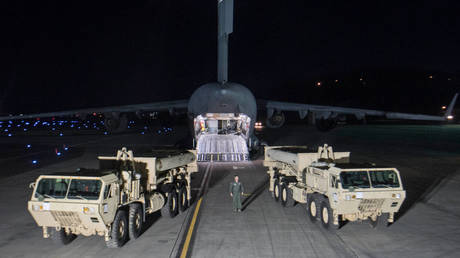
When tactical surveillance assets and air-defense batteries get pulled out of Asia to plug holes in the Middle East, local defense capabilities drop. Adversaries notice these gaps. Beijing and Moscow watch the inventory reports closer than anyone. Tom Karako over at the Center for Strategic and International Studies noted that rivals could easily take calculated actions at a time of their own choosing, knowing full well it takes years to restock what's been burned.
You can't deter a rising power with an empty warehouse.
The Shift in Asian Capitals
Capitals across Asia are scrambling. For South Korea and Japan, depending entirely on an overstretched American security blanket is starting to look like a bad bet. Discussions that used to happen behind closed doors are spilling into public view. Questions about indigenous nuclear deterrents and independent defense pacts are no longer taboo.
When your primary guarantor is fighting a protracted campaign that devours billions of dollars in hardware weekly, you start looking for alternatives. European partners are already shopping around for regional defense options. Asian allies are doing the exact same calculus.
The illusion of infinite American military capacity has cracked.
What Comes Next
We are entering a fragmented security environment. The old playbook where Washington handles every global flashpoint simultaneously is dead. Defense contractors are ramping up lines, but replenishment cycles span years, not months.
Look for regional powers to take security into their own hands. Expect faster domestic defense spending spikes across Asia and new bilateral security arrangements that bypass Washington entirely.
Stop expecting the old normal to return. It's gone.
Trump Says U.S. Will Exit Iran Within 2–3 Weeks Amid War | NATO Rift Deepens
This video provides an overview of how the conflict with Iran has strained global alliances and created diplomatic rifts between Washington and its international partners.
http://googleusercontent.com/youtube_content/1