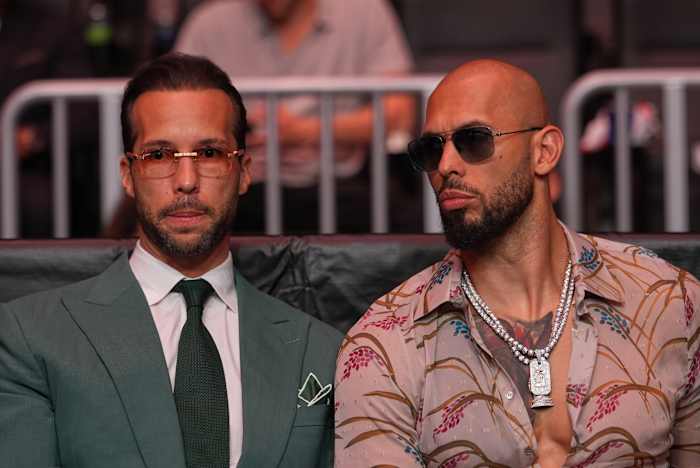
Andrew and Tristan Tate aren't going anywhere anytime soon. A federal judge in Miami slammed the brakes on any hopes of pretrial freedom for the controversial social media influencers, ruling that they must remain locked up at the Federal Detention Center while they fight extradition to the United Kingdom.
U.S. Magistrate Judge Lauren Louis didn't mince words. She denied the defense motion for release because the brothers failed to prove they aren't a flight risk and because their massive international wealth gives them the means to vanish. If you've been following the multi-country legal saga surrounding the Tates, this latest development keeps them caged in Florida as British authorities press for their transfer over serious allegations of rape and sex trafficking. Discover more on a connected topic: this related article.
The Legal Logic Behind the Detention Decision
Why did the judge keep them locked up? Extradition cases follow strict federal rules. When a foreign government requests someone, U.S. courts look closely at whether the accused person poses a danger or a flight risk.
Judge Louis pointed out that the Tates simply didn't meet the burden of proof required to secure bond. Prosecutors argued successfully that the brothers possess substantial financial resources and have previously bragged about owning multiple passports. In the eyes of the court, that combination screams flight risk. More reporting by NBC News explores comparable views on this issue.
The defense tried a different angle. They argued that keeping Andrew and Tristan locked up in Miami while their separate legal proceedings drag on in Romania creates an impossible bottleneck. Their attorneys claimed that managing cross-continental indictments, approaching deadlines, and coordinating legal strategy from a federal jail cell thousands of miles away violates basic due process.
The court didn't bite. The judge maintained that the ongoing foreign obligations don't override U.S. extradition standards.
The Multi-Country Legal Maze
The legal pressure on the Tate brothers isn't limited to London. The high-profile figures face intersecting criminal investigations and court battles across multiple borders.
- The United States: Andrew and Tristan were arrested in Miami on July 18, landing immediately in federal custody where they have remained ever since.
- The United Kingdom: British authorities want the brothers extradited to face historical charges involving rape and sex trafficking.
- Romania: The Tates have spent years fighting separate allegations in Bucharest. While Romanian officials allowed them a degree of freedom during those local proceedings—and even indicted them on additional charges recently—that leniency hasn't translated to American courtrooms.
The defense team has regularly pointed out this contradiction. They note that Romanian authorities haven't locked them up, and the brothers have consistently complied with local court restrictions without trying to flee. Yet, U.S. federal authorities view the situation entirely through the lens of the U.K. extradition warrant.
Persona Versus Reality in the Courtroom
During previous court hearings in Miami, the brothers pushed back hard against their public image. Andrew Tate, 39, and Tristan Tate, 38, are dual U.S.-British citizens who built massive digital empires. Andrew's provocative online persona—featuring rented supercars, aggressive commentary on gender roles, and explicit displays of wealth—has earned him millions of loyal followers and permanent bans from platforms like YouTube, TikTok, and Instagram.
In court, however, their legal team sang a different tune. They argued that the online bravado, the flexing of wealth, and the controversial statements are exaggerated characters designed solely for online clout and social media engagement. Prosecutors, naturally, treat the actual bank accounts and passport access as very real leverage that makes them dangerous candidates for release.
What Happens Next in the Extradition Process
The immediate future looks bleak for the Tates' freedom. They'll remain detained at the Federal Detention Center in Miami while their lawyers weigh whether to appeal Judge Louis's ruling.
Extradition fights take months, sometimes years, depending on the complexity of the treaties and the maneuvers of defense attorneys. Every motion filed in Miami is just a small battle in a much larger international war over jurisdiction and criminal liability.
If you want to keep track of where this goes, ignore the viral social media clips and watch the federal docket filings. That is where the actual outcome will be decided.


