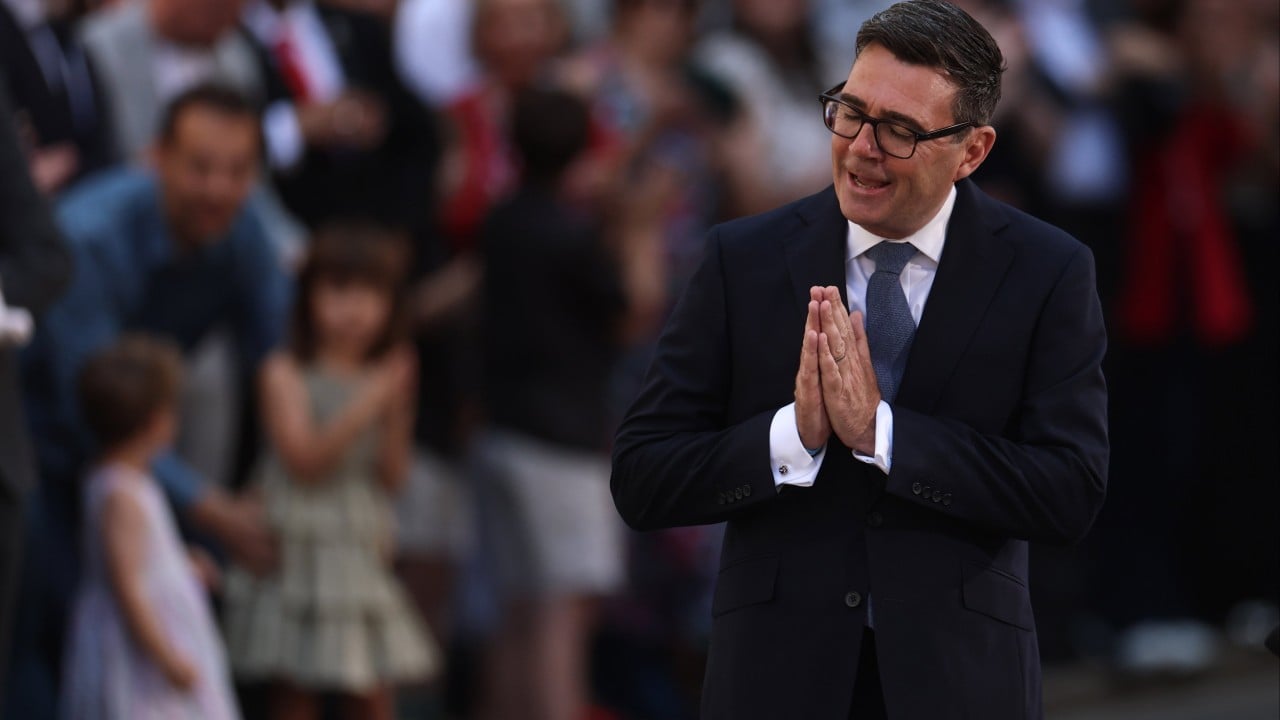
Seven prime ministers in a single decade. Read that again. Britain has treated the highest office in the land like a revolving door at a busy hotel, switching leaders faster than most people change their smartphones. On Monday, Andy Burnham walked out of Buckingham Palace and straight onto the Downing Street tarmac as the seventh man to take the job since 2016.
Voters aren't just tired; they're entirely checked sub-zero on politics. Burnham, stepping into the void left by Keir Starmer's sudden exit, opted to skip the traditional lectern and notes entirely, speaking directly to the crowd. He called this moment a "circuit-breaker."
But can a former regional mayor actually rewire a broken Westminster machine, or is this just another grand speech destined to drown in the usual political swamp?
The King of Devolution Faces His Ultimate Test
Burnham isn't your typical Westminster insider anymore, even though he spent years there before fleeing to Manchester. His entire political identity for the last nine years has been built on fighting London from the outside. Now, he's inside the building.
The core of his pitch is simple: the British state is overly centralised, and the economic model of the last 40 years has broken local communities.
"We will bring forward the biggest changes in the last 40 years," Burnham announced, pledging both a new political and economic framework.
His strategy relies heavily on taking power away from central civil servants and handing it to local leaders. He even teased setting up an official outpost of Number 10 in Manchester. It's a bold move, but regional mayors across the country are watching closely to see if the funding follows the rhetoric.
The Massive Hole in the Homelessness Pledge
If you want to know what Burnham cares about, look at his first official instruction: ending rough sleeping. It's a noble goal, and he made the exact same promise when he became the Mayor of Greater Manchester back in 2017.
Here's the problem: he didn't achieve it then.
While numbers initially dropped under his watch in Manchester, they crept back up significantly by 2025 due to systemic economic pressures. When pressed on this history during a homeless shelter visit on his first day, Burnham argued that a single city couldn't solve a macroeconomic failure on its own; it requires a coordinated national effort.
Now he has the national platform. He's tying this directly to a massive public house-building program, arguing that building council homes reduces the long-term welfare bill. It's an aggressive, state-led theory. If it works, it solves a huge chunk of the housing crisis. If it fails, the welfare bill will spiral even higher.
Balancing the Books While Changing the Rules
International investors are already twitchy about the UK's financial stability. Burnham knows this. His speech intentionally included nods to fiscal discipline, promising to meet current fiscal rules and keep the country's strict defence commitments.
But you can't build thousands of homes, re-industrialise the country, and lower the cost of living without spending money. How does he bridge the gap?
- Scrapping the digital ID scheme: Easy political points that save immediate cash.
- Targeted tax relief: He hinted at raising the personal tax-free allowance from £12,570 to help lower earners.
- Public procurement: Using state contracts to exclusively back British manufacturing.
It's a delicate tightrope. He wants to bring key utilities like water and energy under tighter public control or ownership, which will trigger massive pushback from private equity and corporate boards.
What to Watch Next
The rhetoric is over. The reality begins right now. Watch these three areas over the coming days to see if Burnham can actually deliver on his promises:
- The Cabinet Picks: Watch who he appoints as Chancellor. This choice will signal whether he's genuinely ripping up the old economic playbook or just putting a fresh coat of paint on it.
- Tuesday's Cost-of-Living Package: He promised immediate, fully-costed relief measures for struggling households. The markets will react instantly to how these are funded.
- The Factional Battle: Labour is deeply fractured. Burnham won the leadership unopposed, but keeping nervous MPs in line while fringe parties threaten them from both sides will be a brutal daily grind.
Britain wanted a change from the chaotic revolving door of leaders. They've got a prime minister who wants to rebuild the entire system from the ground up. We're about to find out if the system breaks him first.