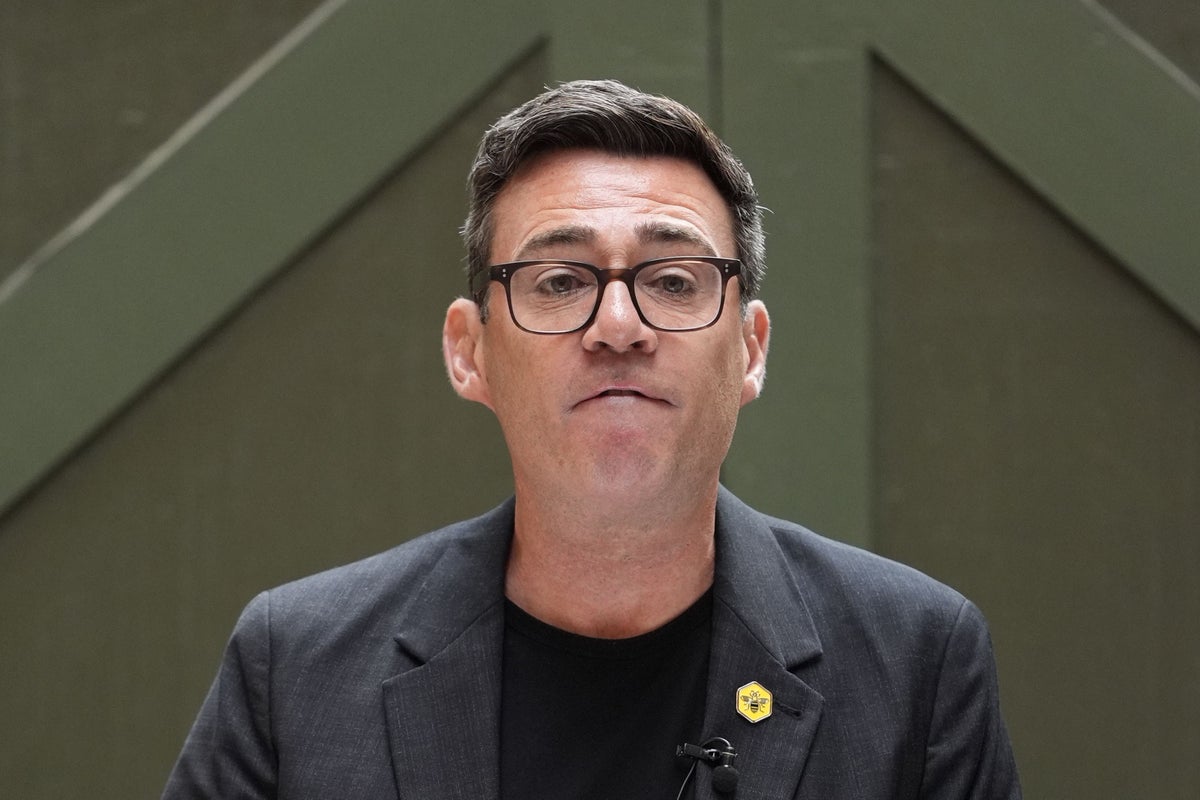
Corporate boardrooms across Britain are trying to read the tea leaves. Andy Burnham has stepped into Downing Street, and the business community is sweating over what comes next.
When you look past the standard political spin, a very specific economic reality is taking shape. Burnham has made it clear that he wants to bridge the gap with nervous executives, but he isn't offering a free pass. He wants something back.
The Quid Pro Quo of Modern British Policy
Politicians love talking about wealth creation. Actually delivering it while keeping investors happy is an entirely different challenge.
Burnham’s pitch to corporate leaders is straightforward. He acknowledges the grueling pressures companies face, from volatile energy markets to shifting trade dynamics. Yet, the underlying message is sharp. If the state offers stability and infrastructure support, corporate Britain needs to step up its investment game. Stashing cash reserves isn't going to cut it anymore.
You cannot demand public support while ignoring local communities. That's the core philosophy driving this administration's economic stance.
Tax, Wealth, and the Realities of Public Spending
Everyone wants better public services, but nobody wants to foot the bill. That tension defines current fiscal debates in Westminster.
Businesses are bracing for the upcoming budget cycle with a mix of dread and anticipation. Burnham has signaled a desire to take the immediate pressure off struggling sectors, but the long-term tax burden remains a massive question mark. Wealth creators want clarity on capital gains and corporate levies. Vague assurances won't satisfy boards that have to plan multi-year budgets.
If the government pushes too hard on corporate contributions, capital flight becomes a real threat. If it doesn't collect enough, public infrastructure crumbles further. It's a brutal tightrope walk.
Beyond Westminster: The Regional Factor
You miss the point entirely if you view Burnham purely through a traditional London lens. His entire political DNA was forged in northern regeneration, devolution, and local accountability.
Expect regional mayors and local authorities to wield unprecedented influence over economic development projects. Private enterprises that want to secure major contracts or planning approvals will need to prove their local value. Job creation, supply chain localization, and skills training aren't nice-to-have corporate social responsibility metrics anymore. They are baseline requirements for doing business with the new administration.
Stop waiting for a return to the old political playbook. The rules of engagement between Downing Street and the private sector have fundamentally shifted. Look at your regional investments, audit your local hiring practices, and prepare for a government that expects corporate performance to match public ambition.