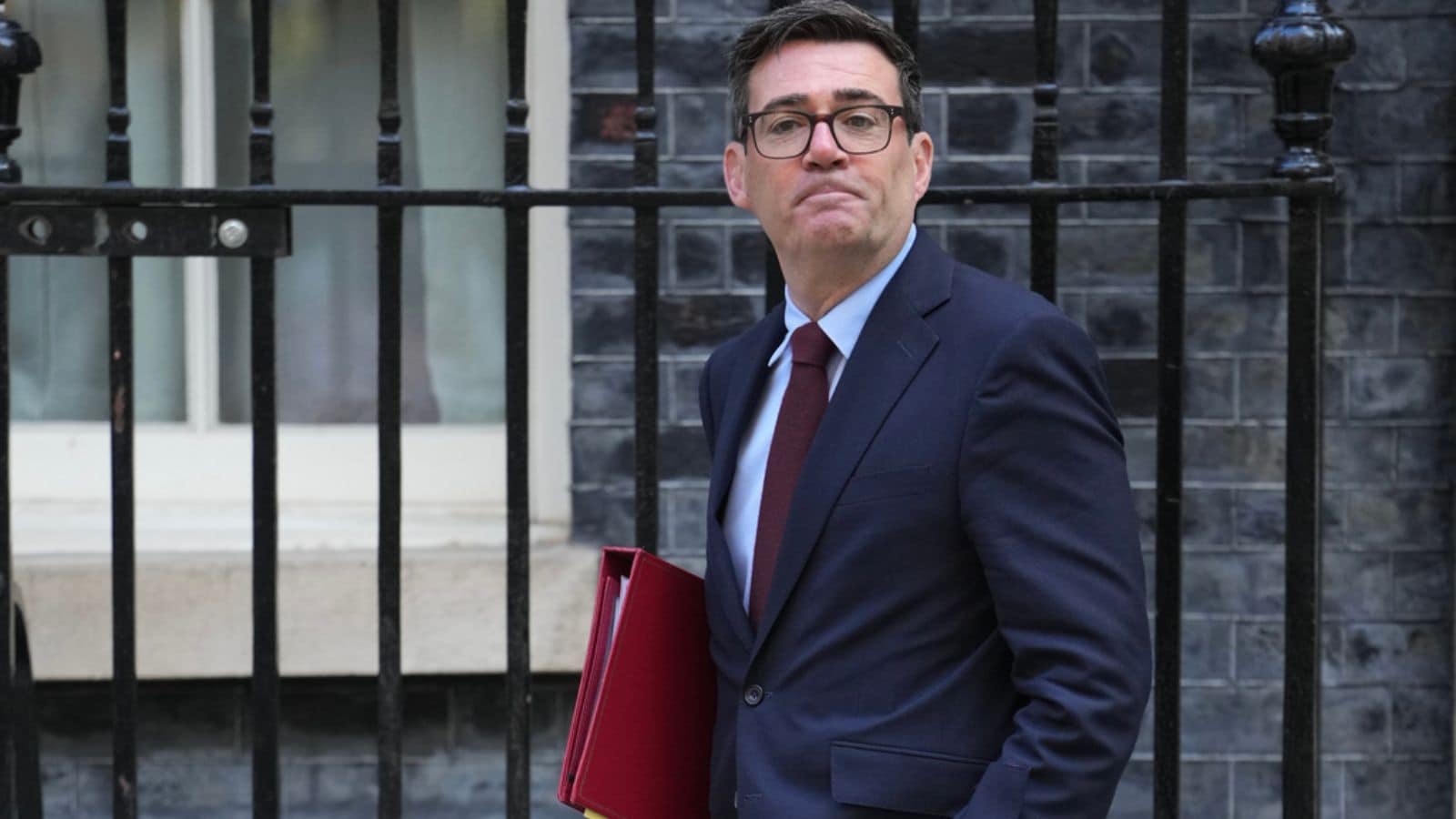
First past the post has governed British politics for generations. It is crude, outdated, and frankly, broken. Prime Minister Andy Burnham knows this. During his conference speech in Liverpool, he finally made the move many reformers thought they would never see from a sitting Labour leader. He announced a brand new National Commission on Electoral Reform and promised that Labour's next manifesto will contain a commitment to overhaul how MPs are elected.
If you have watched British politics careen from one crisis to another over the last decade, you already know why this matters. We have had seven prime ministers in ten years. Governments win massive parliamentary majorities on a fraction of the popular vote, leaving millions of voters feeling ignored and unrepresented. Burnham pointed out the stark reality from the conference stage: opening the door of Downing Street to a divisive government backed by less than thirty percent of the vote is a failure of public duty.
Why First Past the Post is Failing Modern Britain
The core flaw of the current system is simple. It turns minority support into absolute power. In recent general elections, we watched parties secure comfortable majorities in the House of Commons while winning barely a third of actual votes cast across the country. Millions of ballots effectively vanish into thin air because they were cast for losing candidates in safe seats or run up as redundant majorities in already secured areas.
Burnham called out the absurdity of this setup. When millions of votes are converted into an inordinate amount of control for a small Westminster elite, public trust shatters. Voters grow cynical. Parties pander exclusively to a handful of marginal swing seats while ignoring entire regions. It is a terrible way to run a country.
Critics of change love to claim that first past the post guarantees stability. Look around. Does our recent political history look stable to you? Constant leadership squabbles, sharp policy U-turns driven by internal party factions, and wild parliamentary swings do not equal stability. They equal chaos.
The Plan Ahead and the Catch
Don't expect an immediate revolution tomorrow morning. Officials made it clear that the upcoming general election will still be contested under the existing rules. Instead, Burnham's newly announced National Commission will spend the coming months consulting parties and the public, weighing options, and reporting back so that a concrete proposal lands in the next manifesto.
There is also a strict boundary here. Burnham maintains that the direct link between individual MPs and their local constituencies is vital. That means we are unlikely to see a pure, unvarnished party-list proportional representation system. The Prime Minister wants a middle ground that makes every vote count while keeping a local representative tied to your town or city.
Other political parties have been invited to join the commission's work. How they respond will shape the political battlefield for the rest of this parliamentary term. Tory critics will likely scream that this is a stitch-up designed to lock them out of power, while ardent proportional representation campaigners will push for even bolder structural changes.
What You Should Do Now
If you care about how your voice is represented in Parliament, stop treating electoral reform as an abstract geek debate for political scientists. Pay attention to the commission's findings as they roll out. Submit your views when public consultations open. Talk to your local MP about where they stand on keeping or scrapping first past the post.
The political establishment relies on voter apathy to keep the status quo alive. Change only happens when people demand it loudly enough that politicians can no longer afford to ignore the math.


