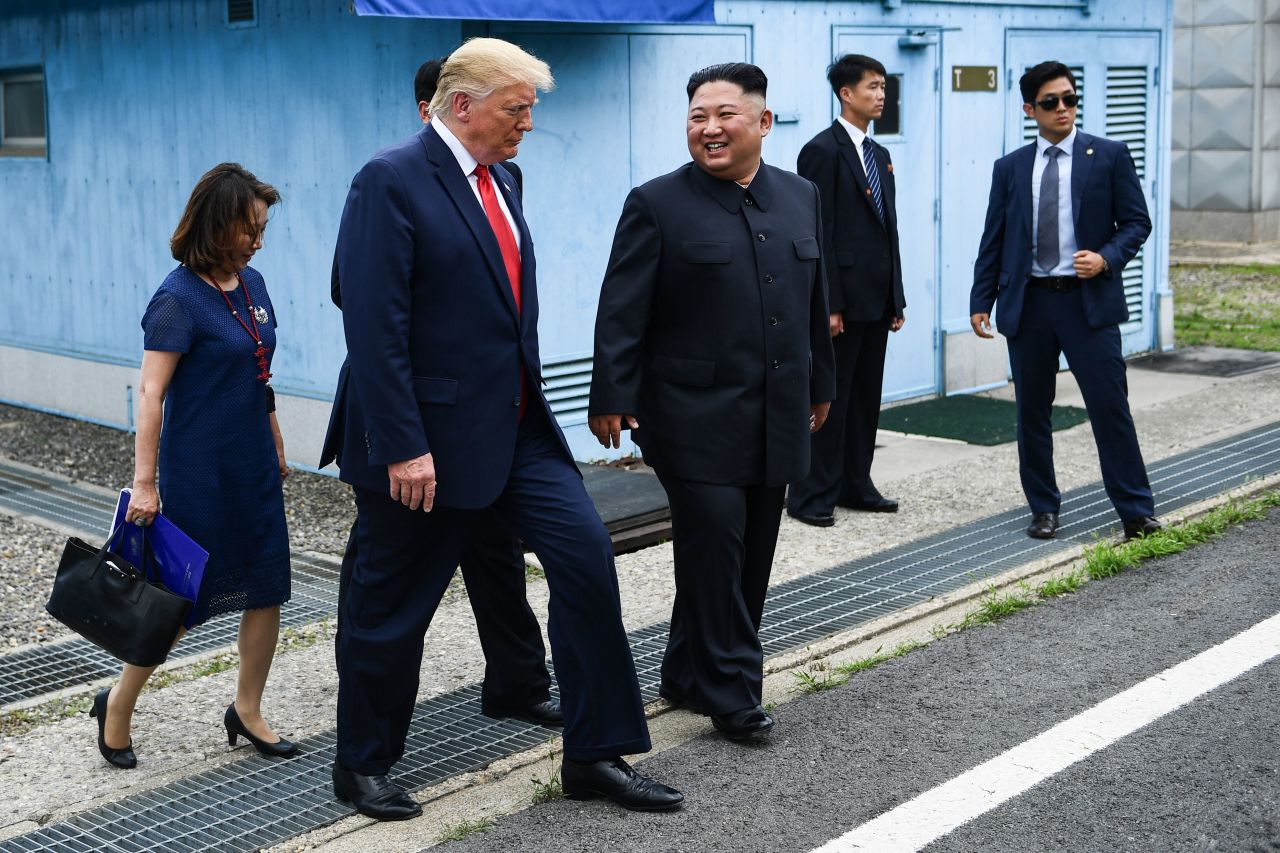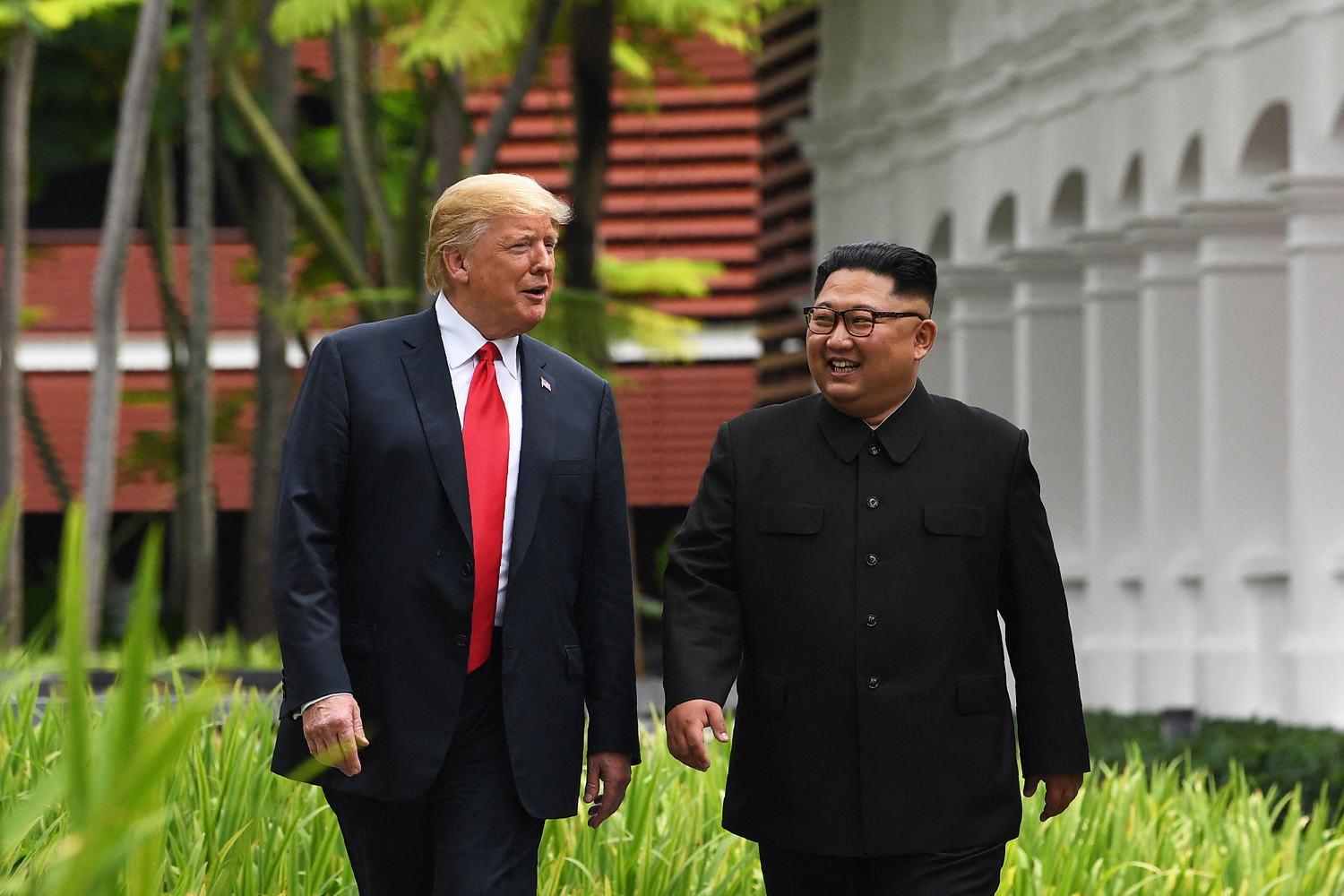
President Donald Trump just confirmed it. He plans to meet with North Korean leader Kim Jong Un before the end of 2026. While the media loves to treat these summits like reality television, the stakes here are significantly different than they were during his first term.
If you're wondering why this is back on the table, the answer isn't just about personal chemistry. It’s about a direct, unorthodox attempt to manage an arsenal that has grown exponentially while the world looked the other way.
The Reality of the North Korean Arsenal
During a casual exchange with reporters outside the White House today, Trump mentioned a specific figure: 57. He claims North Korea now possesses 57 nuclear weapons.
Whether that number is precise or just an estimate, it matters. It’s a reality check. For years, intelligence agencies have tracked Pyongyang’s progress, but seeing a sitting president openly cite a specific count changes the tone of the conversation. It moves from vague diplomatic "denuclearization" goals to a blunt acknowledgement: the weapons exist, and they aren't going anywhere tomorrow.
Trump’s argument—and it’s one he’s held for years—is that he gets along with Kim. He believes that rapport is a tool. Critics call it a distraction or a mistake, but it’s a strategy he’s banking on to keep the situation from escalating into something far worse.
Why November Is the Target Date
Reports from the Wall Street Journal and other outlets point toward the Asia-Pacific Economic Cooperation (APEC) summit in Shenzhen, China, this November. It’s the perfect backdrop for a meeting.
When world leaders gather for APEC, the logistical hurdles of setting up a high-level summit disappear. It’s convenient. It’s private. And it allows for a "chance" encounter or a side meeting that doesn't require the massive fanfare of a dedicated Singapore-style summit.
You should expect the White House to stay quiet on the specifics until they’re ready to announce it. If you’re looking for a formal, invite-only press release, don’t hold your breath. This is being driven by the president’s personal preference for direct, high-level negotiation.
The Shift in Military Strategy
The timing of this announcement didn't happen in a vacuum. Just this week, Trump ordered the Pentagon to "substantially reduce" joint military exercises with South Korea. He called these exercises "inappropriate" and "hostile."
This is a massive shift. For decades, the U.S.-South Korea alliance was built on the premise of constant, high-readiness drills. By scaling these back, Trump is essentially offering a concession to Pyongyang before the meeting even starts. He’s essentially saying, "I’ll dial back the pressure if you stay quiet."
It’s high-stakes gambling. If it works, he might buy some stability. If it fails, he leaves our allies in the region feeling exposed.
What Most People Miss About These Summits
Most political analysts focus on the lack of formal denuclearization agreements. They point to the previous three meetings and say, "nothing happened." That’s missing the point.
Trump isn't looking for a traditional arms-control treaty written by State Department bureaucrats. He’s looking for a personal understanding. He wants to know that when he picks up the phone, the other side will listen. It’s transactional, it’s personal, and it’s entirely focused on the current executive’s vision of what "keeping the peace" looks like.
If you’re watching this closely, stop waiting for a document that lists step-by-step nuclear disarmament. That won’t happen. Instead, watch for what Kim does with his long-range missile testing. Watch how the rhetoric from Pyongyang shifts in the lead-up to November.
Practical Steps to Track the Developments
If you want to understand how this plays out over the next few months, don't just read the headlines. Pay attention to these three specific indicators:
- The "Sister's" Response: Keep an eye on Kim Jong Un’s sister, Kim Yo Jong. Her public statements are often the true barometer of what the North Korean regime is actually thinking, regardless of what the state news agency prints.
- Pentagon Activity: If the military exercises continue to shrink or disappear entirely, you’re seeing the real cost of this diplomatic outreach.
- Regional Reaction: Watch the statements coming out of Seoul and Tokyo. Their nervousness is the best indicator of whether the U.S. is still keeping its security guarantees in the region or if we’re moving toward a solo U.S.-North Korea engagement model.
We’re in for a volatile autumn. Whether this meeting brings stability or just more headlines depends entirely on how much weight that "very good relationship" actually carries behind closed doors in Shenzhen.