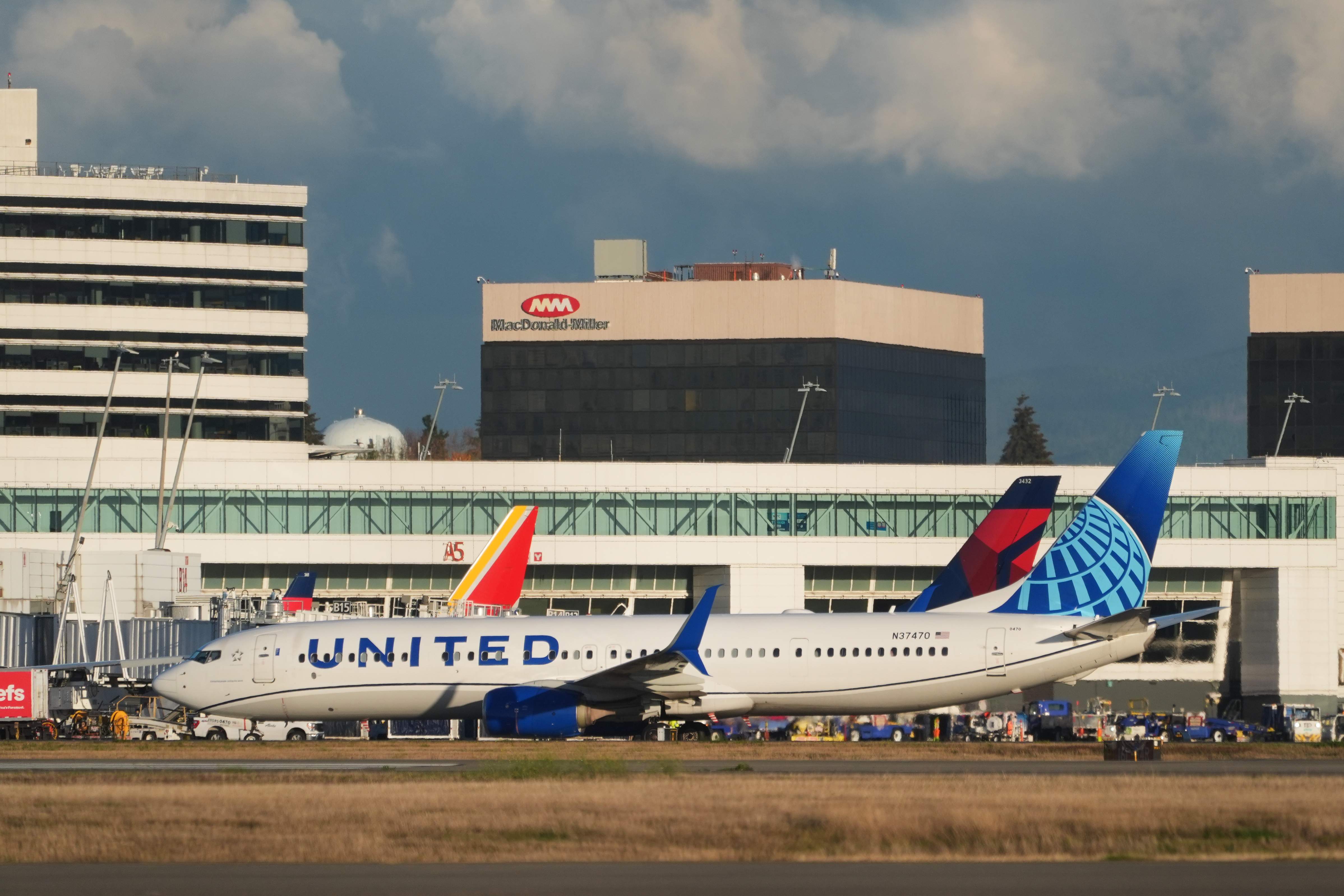
Another day, another major carrier halting departures because its internal software decided to completely check out. United Airlines recently dealt with a widespread system outage that forced flight delays across its network, leaving passengers stranded at gates and pilots waiting for answers.
If you travel with any regularity, this script feels painfully familiar. What makes this particular meltdown sting isn't just the inconvenience. It hit hot on the heels of a massive Federal Aviation Administration ground stop that threw American airspace into chaos. When the digital plumbing supporting global transit starts breaking down on a weekly basis, we have a much bigger problem than standard software bugs.
What Actually Broke During the United Meltdown
When United's systems went dark, the initial confusion on social media pointed to the usual suspects: cyberattacks or catastrophic hardware failures. Fortunately, the airline confirmed quickly that cybersecurity
Why United Airlines System Outages Keep Catching Travelers Off Guard
travel
You arrive at the airport two hours early. Your boarding pass is ready on your phone, your bag is checked, and you are standing at the gate sipping an overpriced coffee. Then the departure board flickers. The on-time status turns red. Another United Airlines system outage has just grounded operations, and your travel plans are officially in limbo.
It happens more often than anyone cares to admit. Technology failure has become the most frustrating wild card in modern aviation. When a major carrier like United stumbles because of a software glitch or a data network hiccup, the shockwaves ripple across thousands of itineraries within minutes.
Let's look at why these technical meltdowns happen, how airlines scramble to fix them, and what you can do to protect your schedule the next time a glitch hits the system.
The Fragility of Modern Airline Infrastructure
Airlines don't just fly planes anymore. They operate as massive, hyper-connected software networks. Every single flight relies on a complex web of legacy databases, real-time tracking apps, crew scheduling modules, and weight-and-balance calculators that talk to each other constantly.
When a core system drops offline, everything grinds to a halt. You can't dispatch a jet safely if the computers tracking flight plans and crew rest hours go dark. Federal regulations require strict compliance. If the data is missing or inaccessible, the planes stay parked at the gate. Period.
Many major carriers are built on decades-old infrastructure patched together with newer software layers. It works fine on an average Tuesday. But when a routine system update goes sideways or a server cluster fails, the cascade effect is brutal.
What Happens Behind the Scenes During an Outage
The moment an outage hits, a quiet panic starts inside the operations control center. Engineers scramble to isolate the corrupted code or reboot failed servers. Meanwhile, airport gate agents face walls of frustrated passengers with very few answers.
Communication is usually the first casualty. Local airport monitors might show delayed flights while corporate communications teams work to verify the scope of the problem. Dispatchers have to figure out which aircraft are stranded out of position. A plane stuck in Chicago means the crew scheduled to fly it to Denver is also stranded, which breaks the staffing chain for the rest of the day.
United and other major airlines have invested heavily in cloud backups and redundancy systems to minimize these disasters. Yet, when millions of database queries clash or a network routing error occurs, the safety protocols kick in and override everything else. Safety always wins over schedule adherence, which is the right call, even if it feels agonizing from the terminal floor.
How to Bulletproof Your Travel Schedule
You can't stop a legacy server from crashing in Houston or Chicago. You can, however, change how you travel to survive the fallout when it happens.
First, stop booking tight connections. If your layover is thirty minutes, you are playing Russian roulette with your luggage and your sanity. Give yourself at least two hours for domestic connections and three hours for international transfers.
Second, download the carrier app, but don't rely on it exclusively during an emergency. When tens of thousands of passengers hit an app simultaneously, servers crash or response times slow to a crawl. If the app freezes, head straight to a customer service desk or use the carrier text support line while waiting in line to double your chances of getting rebooked.
Third, keep your crucial items in your carry-on. Chargers, medications, business clothes, and essential documents should never go into checked baggage when system disruptions can cause bags to separate from passengers for days.
The Reality of Air Travel Infrastructure
Technology will keep evolving, and airlines will continue upgrading their digital backbones. Yet, the sheer scale of global aviation means glitches will always happen. Expecting zero defects in a system that moves millions of people daily is unrealistic.
The next time a major tech failure makes headlines and delays your departure, take a breath. Know the system safeguards are doing their job, stay proactive with your rebooking options, and give yourself enough cushion in your itinerary so a bad day at the airport doesn't ruin your entire trip.