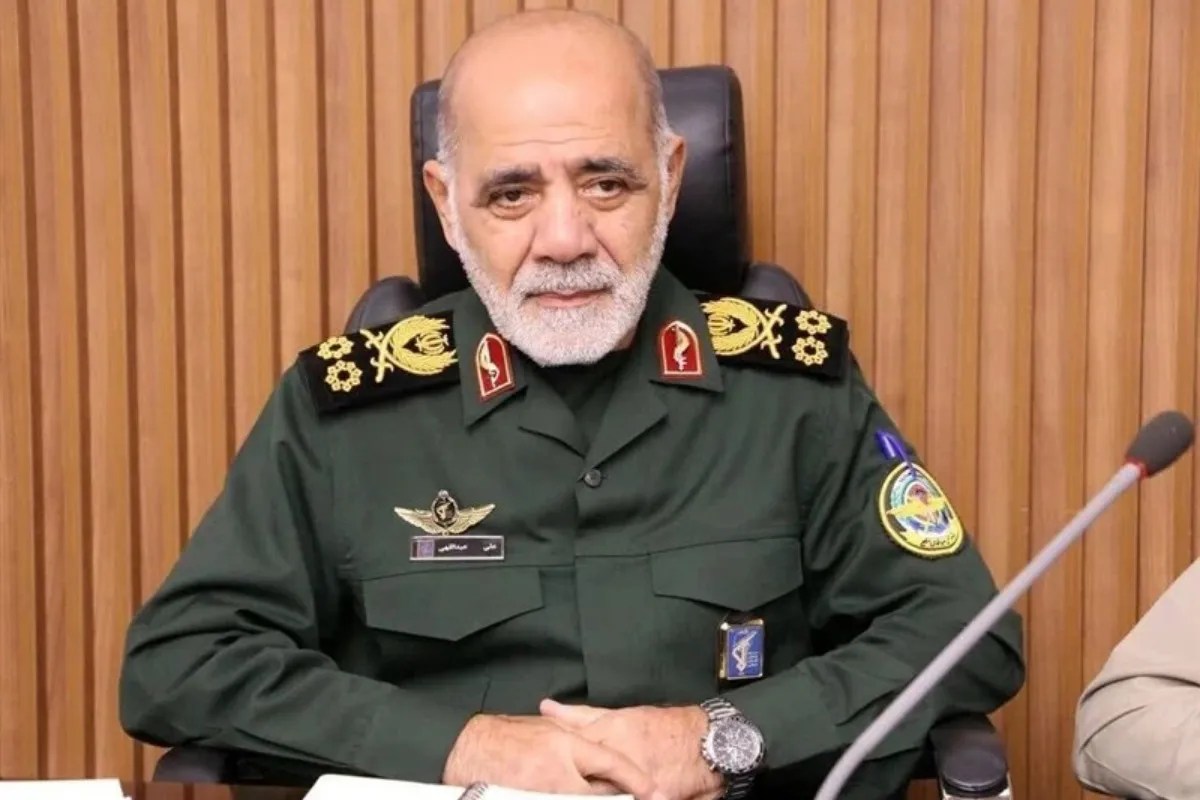
Whenever tensions spike in the Middle East, Washington and Tehran trade the usual threats. But the recent warning from Iranian Chief of Staff Ali Abdollahi carries a different weight. He didn't just mention regional retaliation. He bluntly stated that any new military campaign against Iran won't stay contained. It'll drag the entire globe into an uncontrollable economic and security crisis.
If you're wondering why this specific rhetoric matters right now, you have to look past the headlines and examine the fragile stability of the region.
The Real Cost of Regional Escalation
Most political commentators treat military standoffs like a game of chess where pieces move without real-world consequences. That's a dangerous mistake. Abdollahi's warning highlights a stark reality: Iran isn't an isolated target. Decades of proxy alliances, overlapping trade routes, and deeply embedded energy corridors mean that a strike on Iranian soil triggers a domino effect.
Look at what happens to global shipping lanes or oil prices whenever a missile flies across the Persian Gulf. Energy markets panic. Supply chains freeze. Ordinary people thousands of miles away end up paying higher fuel and grocery bills. When military leaders warn that a war will engulf everyone, they aren't exaggerating for effect. They're describing a systemic shock that modern financial markets are uniquely unequipped to handle.
Why Foreign Military Presence Keeps Backfiring
Tehran's leadership has made it clear that while they're open to diplomatic channels, they refuse to negotiate under the threat of a gun. At the same time, Iranian officials point the finger squarely at foreign military bases scattered across neighboring Gulf states.
From Iran's perspective, the root cause of perpetual insecurity isn't local friction; it's the heavy-handed military footprint of external powers. When foreign navies patrol vital straits and troops occupy neighboring installations, local actors feel boxed in. This dynamic creates a hair-trigger environment where a single miscalculation by a junior commander can ignite a full-scale conflict overnight.
The Broader Geopolitical Fallout
You can't talk about a potential conflict with Iran without looking at the shifting alliances across Asia and the Middle East. Economic pressure and heavy sanctions haven't forced Tehran into total submission. Instead, Iranian enterprises have found workarounds, pulling in billions through alternative trade networks and defying sweeping restrictions.
If a new war actually breaks out, the alignment of global superpowers won't remain neutral. Economic partners who rely on Middle Eastern energy imports will face impossible choices. The diplomatic fallout would permanently alter international trade, pushing inflation to historic highs and forcing nations to pick sides in a conflict nobody can afford to win.
The bottom line is simple. Saber-rattling might score political points domestically for various leaders, but the threshold for total disaster is dangerously low. Ignoring these warnings is a gamble the global economy cannot afford to take.