Prime Minister Anthony Albanese didn't want to pack his bags for the Caribbean while households back home sweated over interest rates. But when the Crown calls for the Commonwealth Heads of Government Meeting in Antigua and Barbuda, skipping it isn't an option for an Australian leader who values international alliances.
Domestic critics love to jump on overseas travel whenever cost-of-living pressures bite. Yet diplomacy doesn't pause just because local inflation ticks up. Albanese hit back at his opponents by pointing straight at the playbook of former conservative leader John Howard, noting that past prime ministers understood Australia's deep-rooted obligations within the Commonwealth.
The Cost of Staying Home
Opting out of major international summits sends a terrible signal to trade partners and allies. Australia relies heavily on global commerce. One in four local jobs depends directly on trade. Turning your back on a gathering of fifty-six nations representing nearly three billion people is economic self-sabotage disguised as fiscal prudence.
Opposition figures tried to frame the journey as out-of-touch globetrotting. Albanese countered by defending the trip on the grounds of direct royal invitation and national interest.
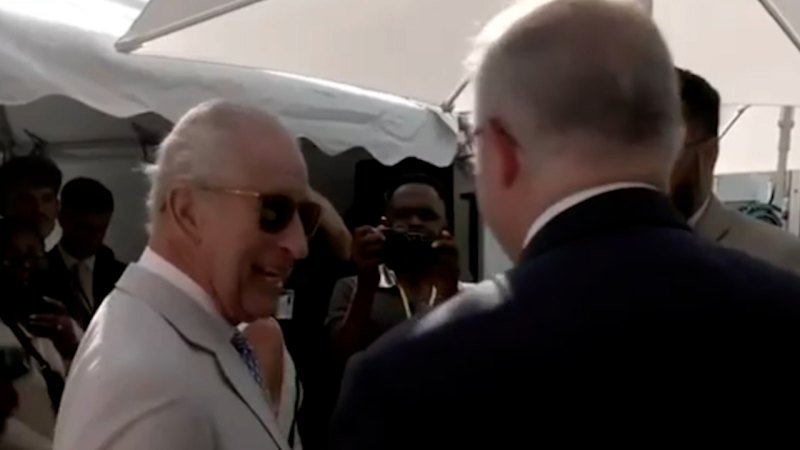
"At the personal invitation of King Charles, of His Majesty, I agreed to come to this meeting," Albanese told reporters in Saint John's. He emphasized that global complexity demands active engagement rather than isolationism.
Middle Powers and Modern Diplomacy
International relations are messy right now. Between shifting global superpowers, trade tensions, and the urgent need to establish ethical frameworks for artificial intelligence, middle powers like Australia need to stick together. CHOGM provides a rare diplomatic clearinghouse where nations outside the G7 can coordinate influence.
While in the Caribbean, the agenda wasn't just about shaking hands and taking official photos. Albanese locked in bilateral talks with British leaders, focusing heavily on strategic security ties like AUKUS, trade adjustments, and the ongoing review of youth mobility and backpacker visa frameworks.
Managing the Domestic Blowback
Politicians always walk a tightrope when boarding long-haul flights during economic turbulence. If you stay home, you get accused of parochialism and missing key strategic opportunities. If you go, you face headlines about taxpayer-funded flights while families budget for mortgage hikes.
Albanese chose engagement. Whether that play wins over voters worried about grocery bills remains doubtful in the short term. But foreign policy isn't run by overnight opinion polls. Missing out on the room where global rules get negotiated costs far more in the long run than a week of political point-scoring back in Canberra.
Engagement requires showing up. King Charles extended the invitation, and the national interest kept Australia at the table.
Albanese heads to the Caribbean amid rate hike criticism
This video report breaks down the political friction surrounding Prime Minister Anthony Albanese's trip to the Caribbean for the Commonwealth summit while domestic voters grapple with cost-of-living pressures and interest rate decisions.