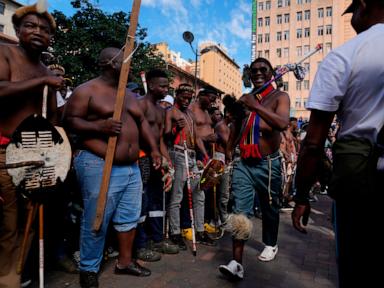
You don't often hear about the silent medical emergency unfolding behind political slogans. When anti-illegal migration protests erupt across South African cities, the real casualties aren't just tallied in property damage or police arrests. They show up in hospital waiting rooms that patients are too terrified to enter, and in interrupted treatments for chronic illnesses.
Humanitarian organizations and legal advocates report that tens of thousands of migrants have faced severe disruptions in accessing basic healthcare. Amid rising xenophobic sentiment and organized crackdowns, vulnerable populations find themselves caught between systemic hostility and the urgent need for medical care. If you look past the headlines about street demonstrations, you'll find a crumbling healthcare infrastructure failing the people who need it most.
The Human Cost Behind the Protests
Recent months brought a surge of anti-immigrant mobilization. Activists and local groups pushed ultimatums demanding that undocumented individuals leave the country. The resulting climate of fear drove thousands of foreign nationals out of their homes, leading to mass repatriations and displacement into temporary shelters, churches, and border towns like Musina.
For people managing chronic conditions, this instability is fatal. Interrupting long-term medical regimens can reverse years of progress. Médecins Sans Frontières (Doctors Without Borders) and other medical aid groups have had to scramble to set up emergency sites in Johannesburg, Cape Town, and border corridors. They report treating severe cases where patients with HIV and tuberculosis missed critical doses because they were hiding from mobs or turned away at clinic doors.
Accessing treatment shouldn't depend on your passport. Yet, numerous migrants report facing direct hostility when attempting to register pregnancies or secure emergency care at local public facilities.
Why Clinics Are Becoming Flashpoints
South Africa's public health sector is already strained. High unemployment, systemic poverty, and inadequate municipal services create a daily struggle for millions of citizens. In under-resourced townships, public frustration often gets redirected toward foreign nationals.
When local clinics block patients or demand documentation beyond legal requirements, it violates established constitutional rights. Rights groups like Section27 have had to push legal battles against provincial health departments to enforce court orders compelling medical facilities to treat anyone in need of emergency care.
Despite legal mandates, the reality on the ground is grim. Frontline healthcare workers face immense pressure, and some clinics enforce informal gatekeeping out of fear or bias. Patients arrive bleeding from targeted assaults, only to be told to leave. Mental health support is virtually nonexistent for those traumatized by sudden mob violence, leaving individuals vulnerable to acute psychological crises.
What Needs to Change Right Now
Fixing this crisis requires more than temporary aid distribution. Humanitarian groups emphasize that countries orchestrating or accepting mass repatriations must establish immediate reintegration protocols to ensure patients don't lose access to life-saving drugs during transit.
At the same time, local authorities must guarantee that public clinics remain neutral zones where anyone can receive treatment without fear of intimidation or arrest. Healthcare is a universal human right, not a political bargaining chip. Until local governance addresses the structural failures driving anti-migrant sentiment, innocent lives will continue to pay the price for political friction.
South Africa suspends asylum applications after recent unrest
This video provides additional context regarding the recent policy and social developments surrounding immigration suspensions and unrest in South Africa.