Diplomacy is messy. When Lebanese President Joseph Aoun sat down with Italian Prime Minister Giorgia Meloni in Rome, nobody expected a miracle overnight. But honestly, the stakes couldn't be higher.
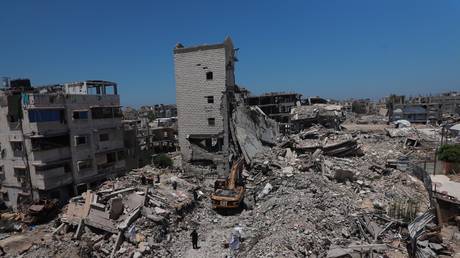
Bombs keep falling across southern Lebanon. Thousands of families remain displaced, infrastructure lies shattered, and the fragile agreement brokered in Washington back in June feels more like a paper shield than a real truce. As detailed in recent reporting by Anadolu Agency, Aoun didn't mince words during his European tour. He looked straight at European leadership and demanded immediate action to pressure Israel into honoring the ceasefire framework.
If you think this is just another routine handshake photo-op, you're missing the entire plot. Let's break down why this high-level meeting in Italy actually shifts the geopolitical chessboard.
Behind Closed Doors in Rome
President Aoun arrived in Italy with a very specific mission. He needed European allies, particularly Italy, to step up their diplomatic weight. According to updates from ANI News Coverage, the talks centered heavily on the ongoing Israeli air strikes and military operations in southern Lebanese provinces like Nabatieh.
Lebanon's health ministry has reported staggering casualties since the current conflict escalated, with tens of thousands injured and thousands killed since late 2023. Families want to return home. They want to rebuild. Yet, continuous military actions and demolition operations by Israeli forces make any serious army deployment impossible.
Aoun made it clear that Beirut is holding up its end of the political bargain. Prime Minister Nawaf Salam's government is pushing to extend state authority across the country, aiming to ensure that the Lebanese state holds sole control over decisions of war and peace. But without international pressure on Tel Aviv, those domestic efforts stall out completely.
The UNIFIL Clock is Ticking
You cannot talk about southern Lebanon without addressing the United Nations Interim Force in Lebanon, better known as UNIFIL. Italy contributes one of the largest troop contingents to this peacekeeping mission.
Here is the catch. The UNIFIL mandate expires at the end of 2026, with a full transition or withdrawal timeline set for 2027. That timeline creates a massive vacuum. Who steps in when blue helmets pack their bags?
As noted in deep dives by L'Orient Today Analysis, Aoun and Meloni spent a significant portion of their meeting hashing out the post-UNIFIL security architecture. Italy has long played a stabilizing role in the Mediterranean. Prime Minister Meloni reaffirmed her nation's commitment to supporting Lebanon's sovereignty, as highlighted in the Official Italian Government Statement.
Yet, goodwill alone doesn't stop artillery shells. The pilot zones project, intended to facilitate the Lebanese Army taking control and disarming militant factions in specific sectors, remains frozen. Why? Because neither side agrees on the fundamental terms of withdrawal or the exact boundaries of control.
What Washington and the Vatican Missed
People often look strictly at Washington for answers in Middle Eastern conflicts. That's a mistake. European capitals carry immense diplomatic leverage through economic ties, humanitarian aid, and peacekeeping footprints.
Before meeting Meloni, Aoun held talks at the Vatican with Pope Leo XIV. The Vatican expressed serious concern over the implementation roadblocks facing the June framework agreement. Lebanon wants the international community to stop treating the ceasefire as a suggestion.
Israel, on the other hand, maintains that its security operations remain necessary to dismantle threats along its northern border. This fundamental disagreement turns every negotiation round in Rome and Washington into a grueling tug-of-war.
When you strip away the diplomatic pleasantries, the core problem is enforcement. A framework agreement without teeth is just ink on paper.
The Real Cost of Delay
Every week of delay inflicts catastrophic damage on Lebanon's economy and social fabric. Reconstruction cannot begin while bulldozers tear down border villages. Displaced citizens cannot plant crops or send their kids to local schools when air raid sirens dictate daily survival.
Aoun's push in Rome isn't born out of sudden optimism. It's born out of desperation. Lebanon's leaders know their country cannot survive another multi-year cycle of total devastation. By securing Italy's backing, Beirut hopes to shift the narrative in Brussels and other Western capitals.
Moving Forward From Here
If you want to understand where this crisis heads next, watch the upcoming negotiation rounds scheduled in Europe. Keep an eye on how European nations handle the expiring UNIFIL mandate before 2027 arrives.
Don't wait for mainstream headlines to spell it out. The friction points are clear: full ceasefire compliance, genuine Israeli withdrawal from southern positions, and a workable internal security plan for the Lebanese Army. Until those three pieces lock into place, the ceasefire remains nothing more than a fragile illusion.