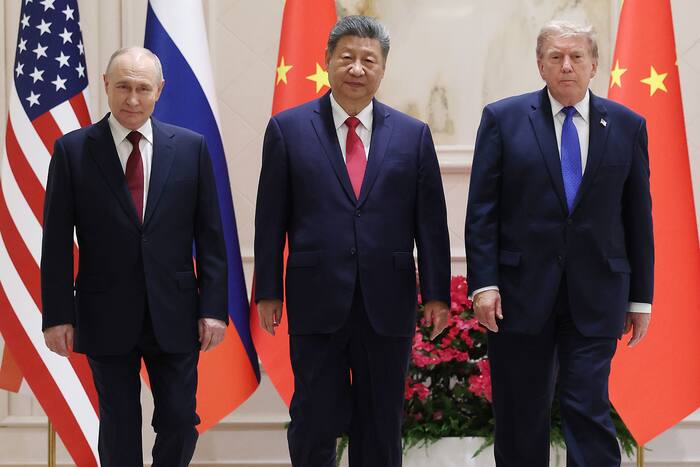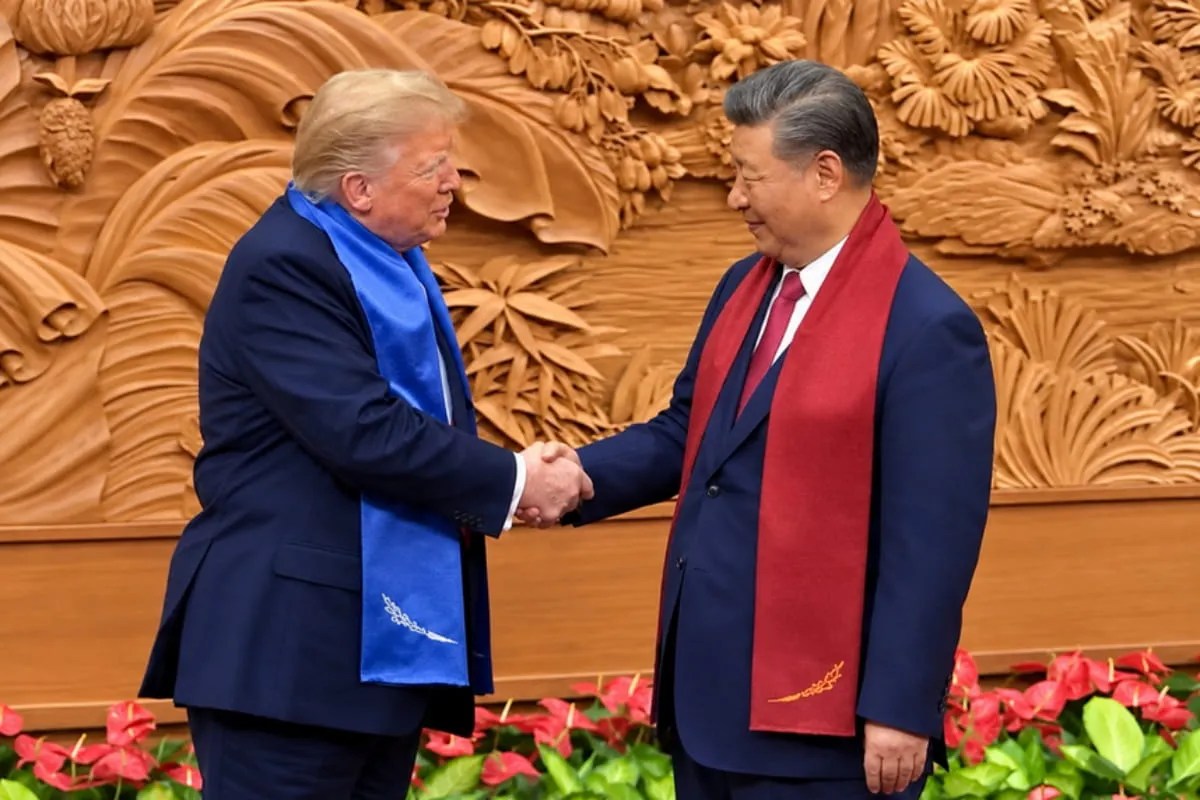
Trump has left China after the APEC summit 2026, and the White House is already touting a $17 billion gain alongside high-stakes talks with Xi Jinping and Vladimir Putin. Sounds dramatic on paper. In reality, big-power summits rarely wrap up cleanly when three leaders with competing interests share the same diplomatic orbit.
You can't read a headline like that and stop at the dollar figure. A $17 billion headline number tells you what officials want on the highlight reel, not how supply chains, export rules, or regional alliances actually shift next week. Sometimes a summit changes the tone overnight. Other times, it just buys everyone a few more months to argue over the fine print. Meanwhile, you can read related stories here: Why Pakistan Joining The Sco Civilisations Dialogue Forum In New Delhi Is Trickier Than It Looks.
Honestly, that gap between optics and execution is where most commentary falls flat. People treat multilateral summits like championship games with a single winner. Geopolitics doesn't work like that, and pretending otherwise leaves businesses and analysts blindsided when policy memos land.
Why the APEC Summit 2026 Felt Different From Standard Trade Talk
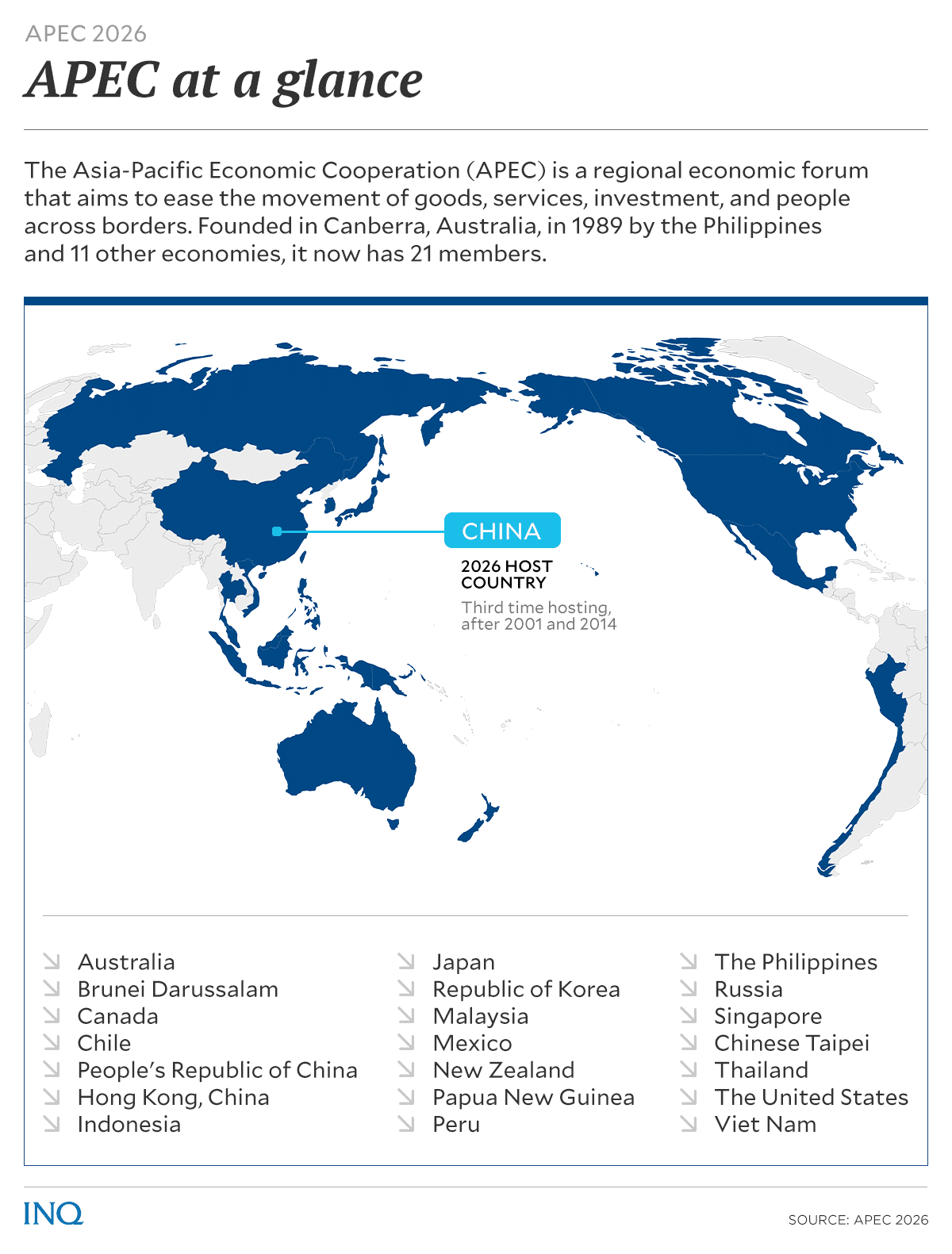
Asia-Pacific Economic Cooperation has spent decades built around consensus, non-binding commitments, and gradual trade integration. That model gets tested hard when the world's largest economies collide over industrial policy, tariffs, and security. When Donald Trump sits down with Xi Jinping and Vladimir Putin around a major regional gathering, the room isn't just talking about customs forms or tourism targets. It's sizing up leverage. To explore the complete picture, check out the detailed analysis by BBC News.
Meetings involving Washington, Beijing, and Moscow carry built-in friction. Even separate bilateral conversations cast shadows over the others. If Washington signals one posture toward Beijing and another toward Moscow, regional partners in Southeast Asia, Japan, South Korea, and Latin America watch every word to see where their own trade exposure sits.
Headline trade figures often bundle existing commercial plans, multi-year commitments, or aspirational frameworks into a single eye-catching total.
That's why seasoned observers treat initial White House tallies with healthy skepticism until contract terms, regulatory approvals, and actual shipment schedules are verified. A figure can be real in terms of announced intent while still being slow, conditional, or uneven across sectors.
Breaking Down the $17 Billion Claim Without the Spin
When a government highlights a $17 billion gain after high-level diplomacy, the first question you should ask is what kind of $17 billion we're talking about. Is it firm purchase orders signed on the spot? Is it projected multi-year investment? Or is it an umbrella estimate combining agricultural buys, energy deals, aviation or manufacturing commitments, and bilateral agreements struck alongside the summit?
Big numbers work well in press briefings because they give reporters a clean anchor and give domestic supporters something concrete to point to. Yet in cross-border commerce, announcements move faster than implementation. Port clearance, licensing rules, currency conversion, and shifting tariff lines can slow down or reshape a deal months after the cameras leave.
Here's a practical way to separate signal from noise when evaluating post-summit economic claims:
- Check the timeline: A commitment spread over five years hits very differently than an immediate order book.
- Look for enforcement or binding terms: Aspirational memoranda of understanding are not the same as legally binding contracts or tariff relief.
- Track sector concentration: Concentrated deals in a couple of industries behave differently than broad-based market access.
- Watch for retaliation or friction: A bilateral win in one column can come with tighter scrutiny or counter-measures in another.
If you're running a business tied to Pacific trade, treating a headline total as guaranteed near-term revenue is a classic mistake. Wait for agency guidance, customs rules, and actual procurement data.
The Three-Way Chessboard With Xi and Putin
Having Trump, Xi, and Putin in the same diplomatic orbit turns a regional economic forum into a test of strategic signaling. Each leader brings a distinct set of pressures at home and distinct priorities abroad.
For Washington, engaging Beijing directly while also interacting with Moscow reflects a mix of hard bargaining, transactional dealmaking, and pressure management. Beijing has its own economic headwinds, export markets to defend, and strategic goals across the Indo-Pacific. Moscow, navigating sanctions and shifting trade routes, looks for every opening to preserve diplomatic standing and economic lifelines.
What makes trilateral dynamics tricky is that nobody plays in a vacuum. A concession or tough line in one conversation affects bargaining power in the next. Partners across the APEC region—many of whom rely heavily on both U.S. markets and Chinese supply chains—don't want to be forced into an all-or-nothing choice. They want predictability.
That tension is the real story behind the scenes. Predictability is scarce when great-power rivalry is front and center.
What Most Commentators Miss About Post-Summit Fallout
A lot of coverage treats summit departures as a verdict. Trump leaves, deals are struck, case closed. That's way too neat.
In practice, the hardest work starts after the leaders fly home. Bureaucrats, trade representatives, intelligence agencies, and corporate legal teams spend weeks translating broad political signals into technical rules. A single phrase in a readout can trigger a compliance review in a boardroom thousands of miles away.
There's also a common misconception that a high-profile meeting automatically resets underlying structural rivalries. It doesn't. Structural issues—like industrial subsidies, tech controls, energy alignment, and regional security commitments—take years to shift, not a few days of diplomacy.
Still, dismissing summits as pure theater goes too far the other way. Personal rapport, direct warnings, and face-to-face bargaining can break logjams that lower-level negotiators can't touch. You just have to weigh both sides without falling for hype.
Practical Next Steps If You Track Trade or Policy
You don't need a security clearance to track what actually sticks after a major summit like APEC 2026. Focus on concrete indicators over the next 30 to 90 days rather than day-one spin.
- Audit your supply chain exposure: Map which inputs, components, or export routes depend on U.S., Chinese, or Russian trade policy and watch for tariff or licensing updates.
- Read official agency releases, not just summaries: Check formal statements and follow-up notices from trade and commerce departments to see which items have real teeth.
- Monitor currency and commodity reactions: Market moves in energy, agriculture, and regional currencies often signal whether investors think deals are real or fragile.
- Separate short-term headlines from multi-year strategy: Keep your core operating assumptions grounded in verified rules and diversified suppliers rather than diplomatic mood swings.
Watch what gets signed, implemented, and enforced in the weeks ahead—that's where the real story of the summit will be written.