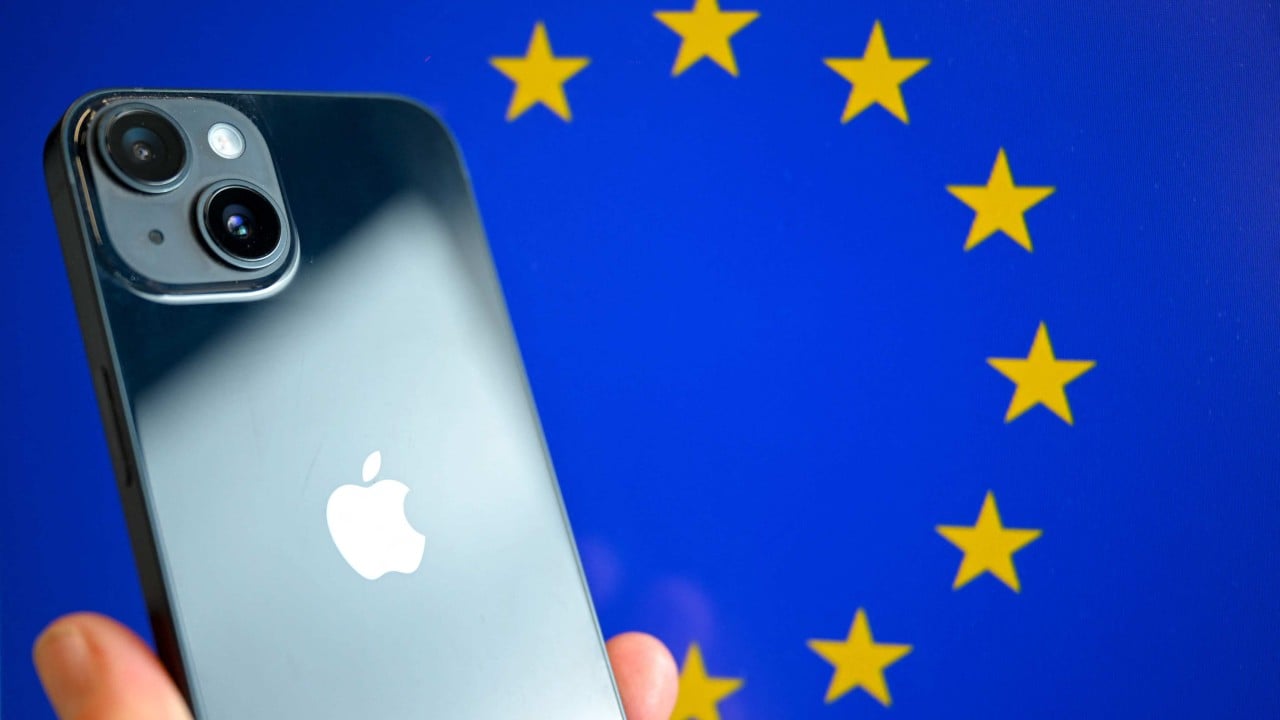
Apple just lost its biggest legal gamble in Europe. The European Union General Court completely shot down the iPhone maker's aggressive attempt to bypass the Digital Markets Act, known as the DMA. If you think this is just another dry corporate legal dispute, you're missing the bigger picture. This ruling fundamentally forces Apple to dismantle the walled garden it spent decades building.
For years, Apple controlled its ecosystem with an iron fist. It dictated who could sell apps, how they could charge users, and which technologies could talk to the iPhone. The EU wanted to break that monopoly. Apple tried to use clever legal gymnastics to skate around the rules. The court didn't buy it.
Here is exactly what happened in Luxembourg and what it means for the future of your iPhone, your favorite apps, and the global tech market.
The Clever Legal Loophole That Failed
Apple didn't just walk into court and say it didn't like the law. Its lawyers tried a highly specific, fragmented strategy.
Under the DMA, companies face strict rules if they are designated as gatekeepers running a core platform service. To qualify, a platform must hit massive numbers, including 45 million monthly active users in the EU and a market capitalization over 75 billion euros.
Apple tried to argue that it doesn't run one single App Store. Instead, it claimed it runs five separate, device-specific stores:
- The iOS App Store
- The iPadOS App Store
- The macOS App Store
- The tvOS App Store
- The watchOS App Store
By chopping its business into pieces, Apple argued that only the iPhone store actually met the massive quantitative user thresholds of the DMA. It was a neat trick. If the court agreed, the iPad, Mac, and Apple Watch stores would escape the strict antitrust rules entirely.
The judges saw right through it. The court ruled that irrespective of the device you use, all these stores serve the exact same purpose. They connect developers with end users to distribute software. Boom. One single core platform service.
Why the Gatekeeper Label Changes Everything
Losing this appeal means Apple stuck with the gatekeeper label for both the App Store and iOS. That isn't just an annoying title. It comes with heavy legal obligations that Apple absolutely hates.
Because of this ruling, Apple must continue opening its European devices to third-party app stores and alternative payment methods. It cannot favor its own services over smaller rivals. It can't stop developers from steering users to cheaper prices outside the official store.
If Apple decides to ignore these rules or malicious-comply its way out of them, the European Commission can fine the company up to 10% of its total global annual turnover. For a company of Apple's size, that means tens of billions of dollars.
Apple is already panicking about this. Right after the ruling, a company spokesperson claimed the DMA mandate threatens to erode decades of privacy and security protections, leaving users vulnerable to new risks. It's the same talking point Apple always uses when it wants to protect its 30% cut of digital sales.
The Half Victory on iMessage
It wasn't a total wipeout for Cupertino. Apple managed to get the court to drop its complaints regarding iMessage, but even that happened on a technicality.
Apple wanted the court to overturn the classification of iMessage as a number-independent interpersonal communications service, fearing the EU would force it to make iMessage interoperate with Android or other chat apps. But the court ruled Apple's action inadmissible for a simple reason: the EU Commission had already investigated and decided not to list iMessage as a gatekeeper service.
Since iMessage isn't bound by the DMA obligations right now anyway, the court essentially told Apple it was fighting a ghost. There's no legal injury to fix yet.
The Fight Over Siri and What Happens Next
If you think this ruling ends the tech war in Europe, think again. The tension between Apple and European regulators is actually getting worse.
Just recently, Apple intentionally delayed the rollout of its new Siri AI features in European markets. Why? Because the company claims the DMA's strict interoperability requirements make it impossible to launch these advanced AI systems without compromising user privacy. It's a game of chicken. Apple is hoping European consumers get mad enough about missing out on AI features that they pressure regulators to ease up.
There's also another major legal battle brewing. Apple has a separate appeal heading through the courts regarding a March 2025 specification decision by the Commission. That case tackles the messy details of how third-party smartwatches, headphones, and trackers can connect and interact with iOS.
What can Apple do now? It can still take this specific gatekeeper ruling to the Court of Justice of the European Union, which is the bloc's highest legal authority. But that appeal can only look at specific points of law, not re-evaluate the facts.
For tech companies, developers, and users, the writing is on the wall. The era of the completely closed mobile ecosystem is dead in Europe, and no amount of corporate legal maneuvering is going to bring it back. If you run a business or develop apps, you should expect more fragmentation, more third-party options, and continued regulatory pressure on big tech throughout the rest of this year and beyond.