Thirty years ago, a violent highway collision stopped a tour bus and shattered a nation's heart. Miriam Alejandra Bianchi—universally known as the cumbia queen Gilda—died at just 34 years old.
She never left. For a different look, read: this related article.
Today, Gilda stands as one of Argentina's most powerful folk saints. Her transformation from a beloved Latin pop and dance singer into a miracle-working intercessor reveals a lot about how people practice faith outside institutional walls.
The Shrine on the Highway
Drive two hours north of Buenos Aires into the grasslands near the Paranacito River, and you will find the exact site of the tragedy. The rusted wreckage of the original tour bus sits preserved as an open-air shrine. It groans under an endless avalanche of offerings. Similar reporting on this matter has been published by BBC.
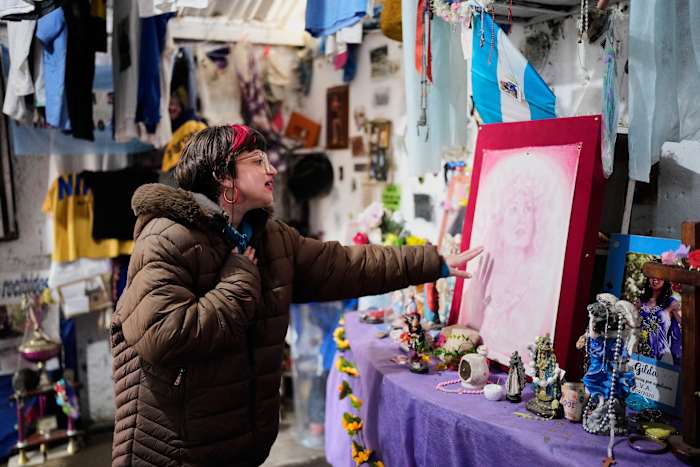
You won't just see flowers and votive candles there. The adjacent chapel overflows with physical proof of answered prayers:
- Wedding gowns left by women who found love after visiting.
- Trophies and sports jerseys offered by athletes who won championships.
- Crutches abandoned by people who claim they walked again because of her.
- Police uniforms left by officers who earned career promotions through her intercession.
Devotees wear T-shirts emblazoned with her likeness—often showing her in a shimmering blue dress wearing a flower crown—while singing her tracks with raw, emotional intensity.
Why Gilda Resonates More Than Ever
Mainstream religious institutions rarely hand out sainthood easily. The Roman Catholic Church does not formally recognize Gilda, much like it views other popular figures in Argentina’s rich pantheon of unofficial saints, such as the 19th-century outlaw Gauchito Gil.
Clergy tend to walk a fine line. Priests occasionally celebrate Mass at her shrine, but they carefully pivot their sermons toward God, bypassing her popular status entirely. Yet, believers see zero contradiction.
"For me, it's about faith — putting everything in God's hands and asking Gilda to intercede," explains 63-year-old Julia Domínguez, who credits the late singer with curing vocal cord growths that nearly ruined her singing career.
Gilda's enduring pull comes down to radical relatability. Long before her tragic death, she didn't act like an untouchable celebrity. She sang inside prisons and spent hours writing back to fans by hand. She felt human. People trust someone who felt their pain while she was alive.
The Mechanics of Popular Devotion
Folk saints fill a gap that formal religion often leaves empty. Scholars like Cleopatra Barrios from Conicet, Argentina's national scientific research body, point out that devotees frequently mention how these figures walk beside them through daily struggles.
When life hits hard, people want an advocate who understands the grit of ordinary existence. They want someone who sang about heartbreak and desire to listen to their modern anxieties.
As believers gather to mark three decades since her passing, the message from the highway shrine is blunt and clear. Sainthood doesn't always wait for a stamp of approval from the Vatican. Sometimes, the people make the choice first.
Stop waiting for permission to honor what matters to your community. Keep your traditions alive, look out for your neighbors, and carry your own history forward.