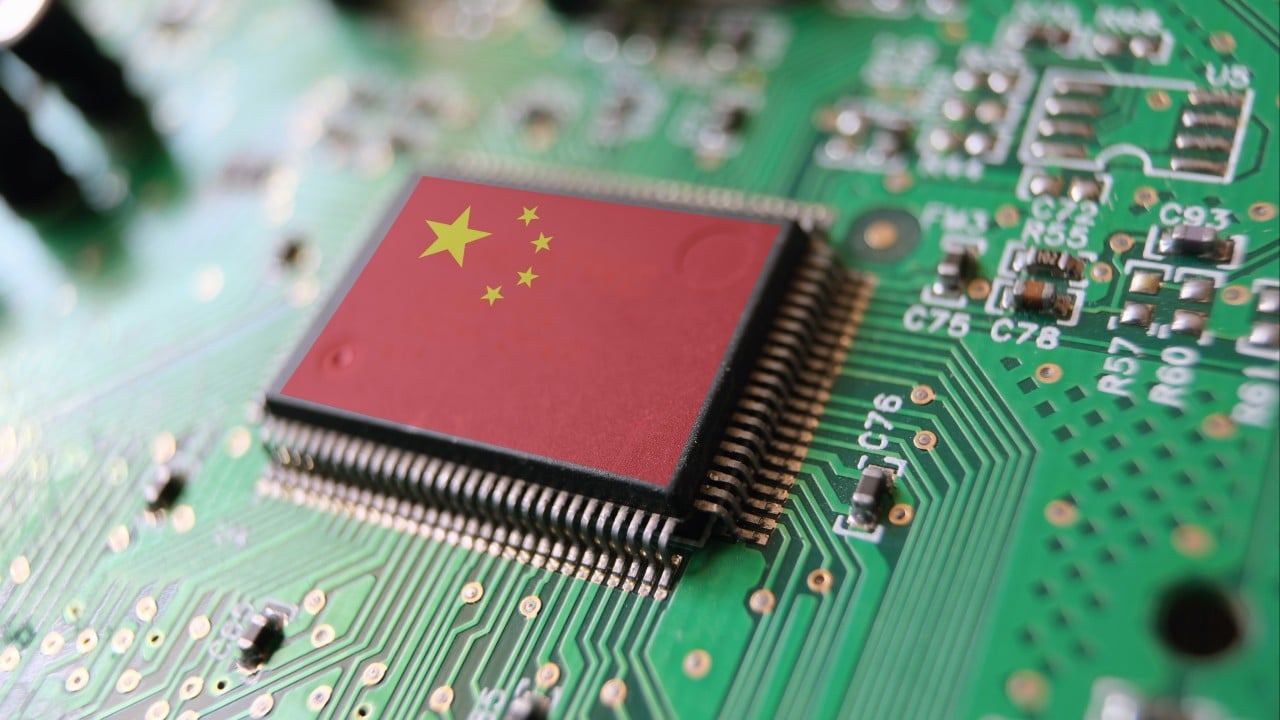
If you think US export controls completely crushed China's semiconductor industry, check out the latest quarterly earnings. SMIC and Hua Hong are printing cash.
China's largest contract chipmakers just posted massive triple-digit profit jumps. SMIC saw its net profit surge 261.7 percent year on year to US$479.2 million. Meanwhile, smaller rival Hua Hong blew past expectations with a 385.9 percent profit increase to US$38.6 million. Meanwhile, you can read other stories here: How Uvision Is Changing Ground Warfare With New Eight Canister Drone Launchers.
Domestic tech giants are scrambling for computing power to train massive language models. They aren't waiting for foreign hardware. They are buying local.
Why Domestic AI Demand Changed Everything
Western sanctions intended to starve Beijing of advanced processing capability missed a crucial secondary effect. Local companies still need specialized chips for data centers, power management, and microcontroller units. To explore the bigger picture, we recommend the recent analysis by The Next Web.
SMIC's revenue grew 36 percent to hit US$3 billion for the June quarter. Hua Hong booked a record US$717.5 million in revenue, up 26.8 percent from a year prior.
Fabrication plants are running flat out. You can't book an open slot easily. Every domestic chip designer wants production capacity right now.
"The industrial momentum and spillover effects from artificial intelligence will persist," SMIC executives stated in a recent stock exchange filing.
They plan to accelerate new capacity to ease these intense supply constraints.
The Mature Node Goldmine
Everyone obsesses over sub-3-nanometer nodes. But most AI infrastructure relies heavily on supporting integrated circuits, power management chips, and mature nodes.
That is where SMIC and Hua Hong dominate. They aren't trying to out-hype foreign competitors on bleeding-edge nodes right now. They are focusing on practical, high-volume production that keeps domestic data centers running.
When local AI startups launch new model updates, they need physical hardware immediately. Supply chains constrained by geopolitical friction forced a hard pivot. Tech firms turned inward, creating a permanent baseline of local orders that foreign foundries can no longer capture.
What Happens Next in the Semiconductor Market
Expect fabrication bottlenecks to continue through the rest of the year. Both foundries are aggressively routing resources to expand lines.
If you are tracking technology trends, stop looking only at Washington policy briefs. Watch order books in Shanghai and Shenzhen. Domestic cash flow is funding the next wave of internal semiconductor self-sufficiency.
Accelerate your understanding of regional supply chains. Build flexibility into your hardware sourcing models before capacity tightens further.