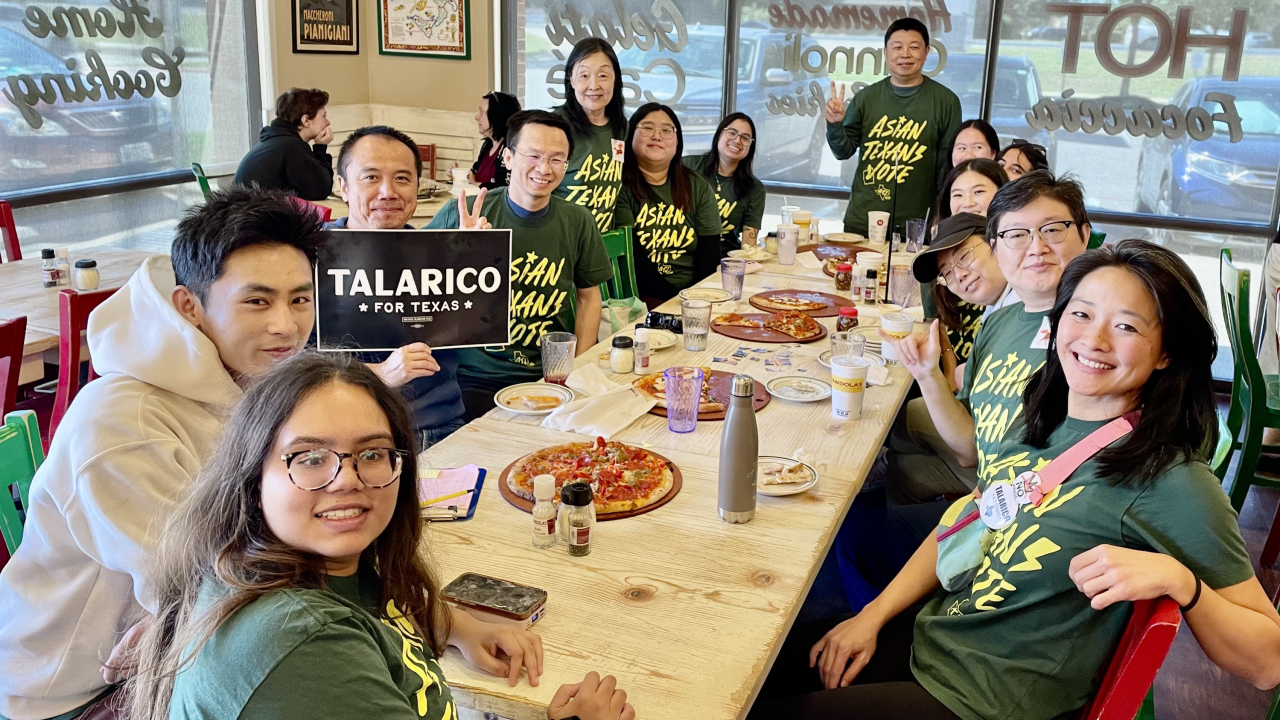
For decades, political pundits treated the American South as a lost cause for Democrats, assuming the region's deep-red map was set in stone. That script is officially tearing apart. During the recent midterm elections, grassroots Asian American campaigners across states like Georgia, Texas, and North Carolina quietly re-engineered the electoral math.
If you want to understand how a traditionally conservative stronghold starts tilting blue, stop looking at national party headquarters. Look at local neighborhood associations, small business owners distributing voter guides, and multi-lingual ballot initiatives built over years of grueling, unglamorous legwork.
The Ground-Level Strategy That Party Strategists Missed
National campaigns love flashy television ads and sudden parachute spending weeks before an election. Local organizers know better. In places like Gwinnett County, Georgia, community leaders took a completely different approach. They fused cultural familiarity with civic duty. You saw tote bags produced by Asian-owned businesses featuring artwork inspired by classic regional motifs, transforming voting from an intimidating chore into a community event.
In Texas, organizers tackled a massive barrier: language access. Instead of waiting for state governments to provide comprehensive support, multilingual groups built independent, highly accessible ballot guides. They broke down complex legal jargon into plain language across multiple Asian dialects, ensuring first-time and naturalized citizens actually understood what they were voting for.
In North Carolina, the play was generational. Organizers didn't just target registered voters; they engaged teenagers and college students long before they hit voting age. By building political habits early within families and cultural clubs, they created a steady pipeline of active participants. This wasn't overnight magic. It was infrastructure built years before the first ballot dropped.
Why Traditional Republican Messaging Backfired
Electoral shifts rarely happen in a vacuum. They often accelerate because the opposition overplays its hand. Over the past few cycles, heavy-handed rhetoric and aggressive policy postures alienating immigrant communities created an immediate backlash.
When state legislatures pushed property ownership restrictions targeting foreign nationals—falsely framing everyday community members as security threats—the reaction was swift. People who previously stayed out of politics suddenly showed up at school board meetings and campaign rallies. Extreme anti-immigrant rhetoric and polarizing social posturing backfired, turning a traditionally quiet demographic into an organized voting bloc.
Furthermore, data from polling experts like Harvard professor Taeku Lee highlights a broader ideological shift. Asian American voters in the South favored Democratic candidates by clear margins—roughly 62 per cent to 35 per cent. When you combine rapid population growth with high organizational density, even a traditionally red map begins to wobble.
What This Means for Future Elections
We are witnessing a permanent structural change, not a temporary fluke. Asian Americans represent the fastest-growing electorate in several southern states, with hundreds of thousands of registered voters reshaping suburban districts that used to be safe Republican territory.
Political power in the South no longer belongs exclusively to old-school party machines. It belongs to the organizers who show up when the cameras are turned off, translate the ballots, run local workshops, and build trust block by block. Watch the suburbs of Atlanta, Houston, and Charlotte closely. The future of southern politics is being written right there.